Level 5 is the highest quality drywall finish — a skim-coated surface so smooth it rivals plaster. Here is how professionals achieve this premium result.
What Makes Level 5 the Gold Standard
Level 5 drywall finish represents the highest quality surface achievable with gypsum board construction. It is specified for walls and ceilings where critical lighting conditions, high-gloss paint, or exacting aesthetic standards demand perfection. The defining feature of Level 5 is a thin skim coat applied over the entire surface — not just the joints and fastener heads — creating uniform density and porosity across every square inch. Without this skim coat, the subtle differences between bare drywall paper and compound-covered joints create visible banding or flashing under certain lighting conditions, especially with flat or low-sheen paints. Homeowners in [Denver](/locations/colorado/denver) and [Colorado Springs](/locations/colorado/colorado-springs), where the intense mountain sunlight creates harsh lighting conditions indoors, particularly benefit from Level 5 finishing on sun-facing walls.
The Foundation: Achieving Level 4 First
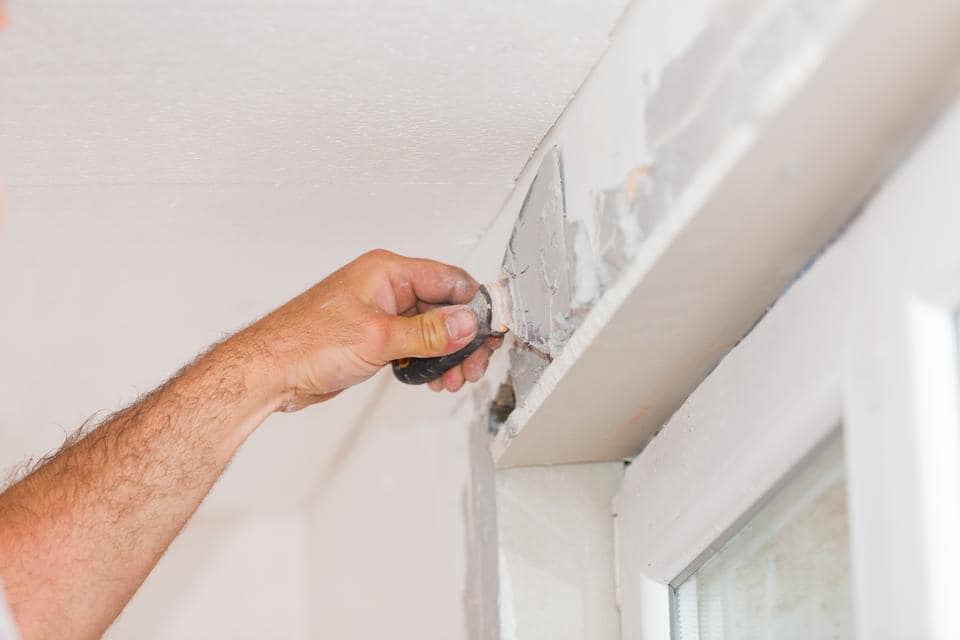
Level 5 is built on top of a properly executed Level 4 finish — there are no shortcuts. The joints must be taped and covered with three coats of compound, each sanded smooth between applications. Fastener heads and accessories must have at least two coats. All surfaces must be smooth, with no visible tool marks, ridges, or imperfections. The Level 4 finish must be inspected and perfected before the skim coat is applied — any defects in the underlying finish will telegraph through the thin skim coat and be amplified rather than concealed. Take the time to sand the Level 4 surface with 150-grit paper, then inspect under strong side lighting from multiple angles. Fix any remaining imperfections before moving to the skim coat stage.
Skim Coat Materials and Preparation
The skim coat material can be thinned all-purpose joint compound, a dedicated skim coat product, or a polymer-modified compound formulated specifically for this application. The material should be mixed to a creamy consistency — thinner than standard taping compound but thick enough to apply without running. Some professionals add a small amount of water and mix thoroughly to achieve the right consistency, while others prefer purpose-made skim coat products that are formulated to the correct consistency out of the container. Our [drywall finishing and texturing](/services/drywall-finishing-texturing) team in [Aurora](/locations/colorado/aurora) and [Lakewood](/locations/colorado/lakewood) selects the appropriate skim coat material based on the specific surface conditions and finish requirements of each project.
Application Technique for Flawless Results
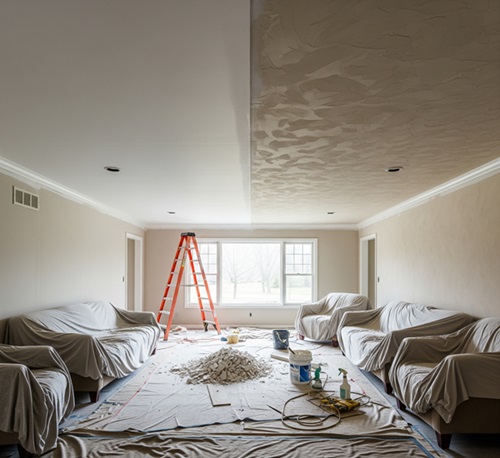
Applying the skim coat requires a broad finishing knife — 14 inches or wider — or a magic trowel, which is a large, thin blade specifically designed for skim coating. Apply the compound in thin, overlapping passes, maintaining consistent pressure and angle across the entire surface. Work in manageable sections, keeping a wet edge to avoid lap marks. The goal is a uniform coating approximately one-sixteenth of an inch thick — just enough to cover the surface completely without building up excessive thickness. On walls, work from top to bottom in vertical passes. On ceilings, work in parallel strips across the shortest dimension. Allow the first coat to dry completely, then sand lightly with 220-grit paper and wipe clean before assessing whether a second skim coat is needed.
Final Sanding and Surface Inspection
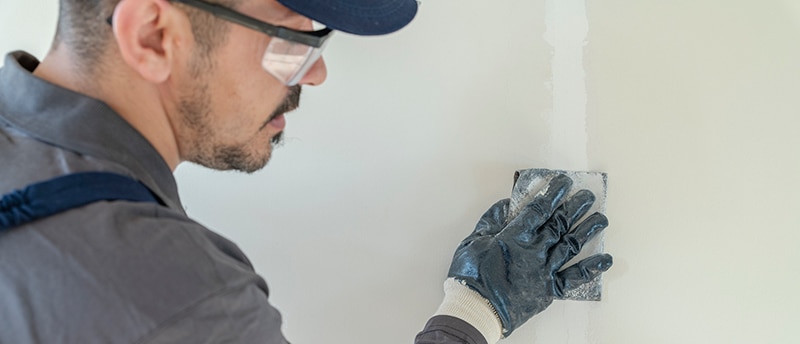
The final sanding of a Level 5 surface requires patience and precision. Use 220-grit sandpaper on a pole sander for consistent, even coverage across the entire surface. Apply light, uniform pressure — the goal is to smooth the surface, not remove material. After sanding, wipe the surface with a barely damp sponge to remove dust, then inspect under strong raking light from multiple angles and positions. Any remaining imperfections should be touched up with a thin application of compound, dried, and re-sanded. The final surface should feel like glass under your fingertips — completely smooth with no ridges, texture, or grain. Homeowners in [Fort Collins](/locations/colorado/fort-collins) and [Boulder](/locations/colorado/boulder) investing in Level 5 finishing should expect this meticulous inspection and touch-up process as a standard part of the professional's workflow.
Priming and Painting a Level 5 Surface
The effort invested in a Level 5 finish pays off most dramatically when paint goes on the wall. Apply a high-quality drywall primer formulated for smooth surfaces — the primer equalizes absorption across the entire surface and provides a consistent base for the topcoat. After the primer dries, inspect once more under side lighting — primer can reveal minor imperfections that were invisible on the bare compound. Touch up as needed, re-prime the spots, and then apply your finish paint. The result is a surface with perfectly uniform color and sheen from corner to corner, with no visible seams, no banding, and no flashing — the kind of finish that makes a room feel custom-built and meticulously crafted.
Need Professional Drywall Help?
Contact Fast Fix Drywall Repair for a free estimate on your next project.
Get a Free QuoteLooking for drywall repair services in your area? Browse our full service directory by city.