Expert Drywall Insights
Drywall Tips & Guides
Expert tips, guides, and insights about drywall repair, installation, finishing, and more from the licensed drywall contractors at Fast Fix Drywall Repair.
5 Signs Your Drywall Needs Professional Repair
From hairline cracks to water stains, learn how to identify drywall damage early and when to call a licensed drywall contractor for drywall crack repair, drywall hole repair, or drywall ceiling repair.
Read More
The Complete Guide to Drywall Textures and Finishing
Explore popular drywall texturing options including knockdown, orange peel, and smooth level 5 drywall finish. Learn which drywall finishing technique is right for your home or business.
Read More
Why Popcorn Ceiling Removal Is Worth the Investment
Discover how popcorn ceiling removal and modern drywall finishing can modernize your home, increase its value, and improve indoor air quality. Learn what to expect from the process.
Read More
How to Prepare Your Home for a Drywall Project
Tips for homeowners on what to expect during drywall installation or sheetrock repair, and how to prepare your space for the best results from your drywall contractor.
Read More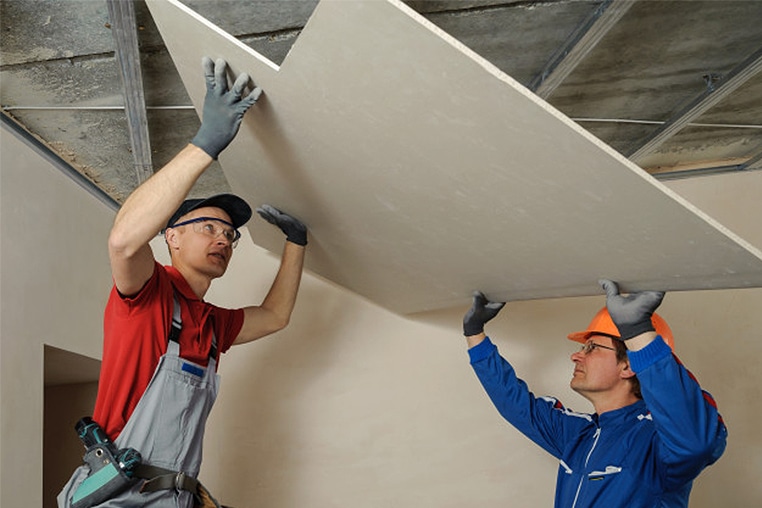
Drywall Repair vs. Drywall Replacement: When to Choose Each
Not sure whether you need drywall patch repair or full drywall replacement? This guide covers when drywall repair is enough and when a drywall remodeling contractor should replace the entire section.
Read More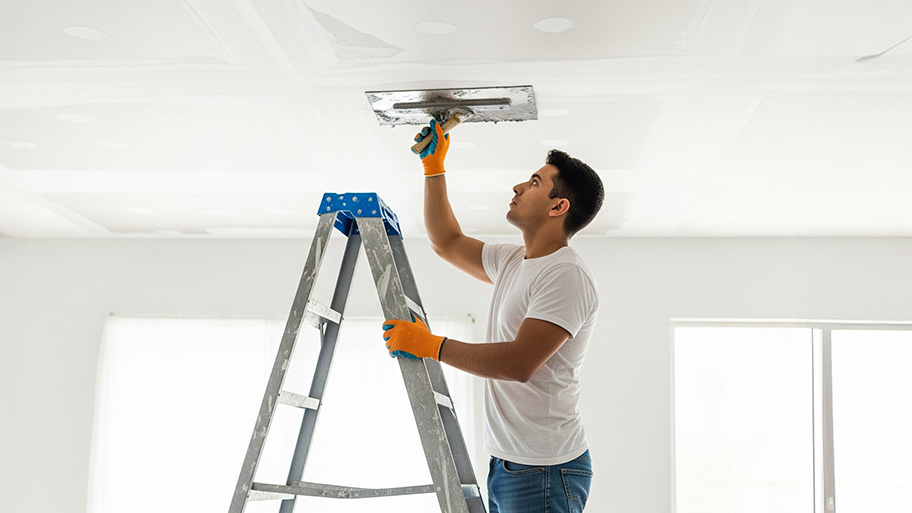
Commercial Drywall: What Business Owners Need to Know
Key considerations for commercial drywall projects including fire ratings, soundproofing, and code compliance. Learn why hiring a commercial drywall contractor matters for your business property.
Read More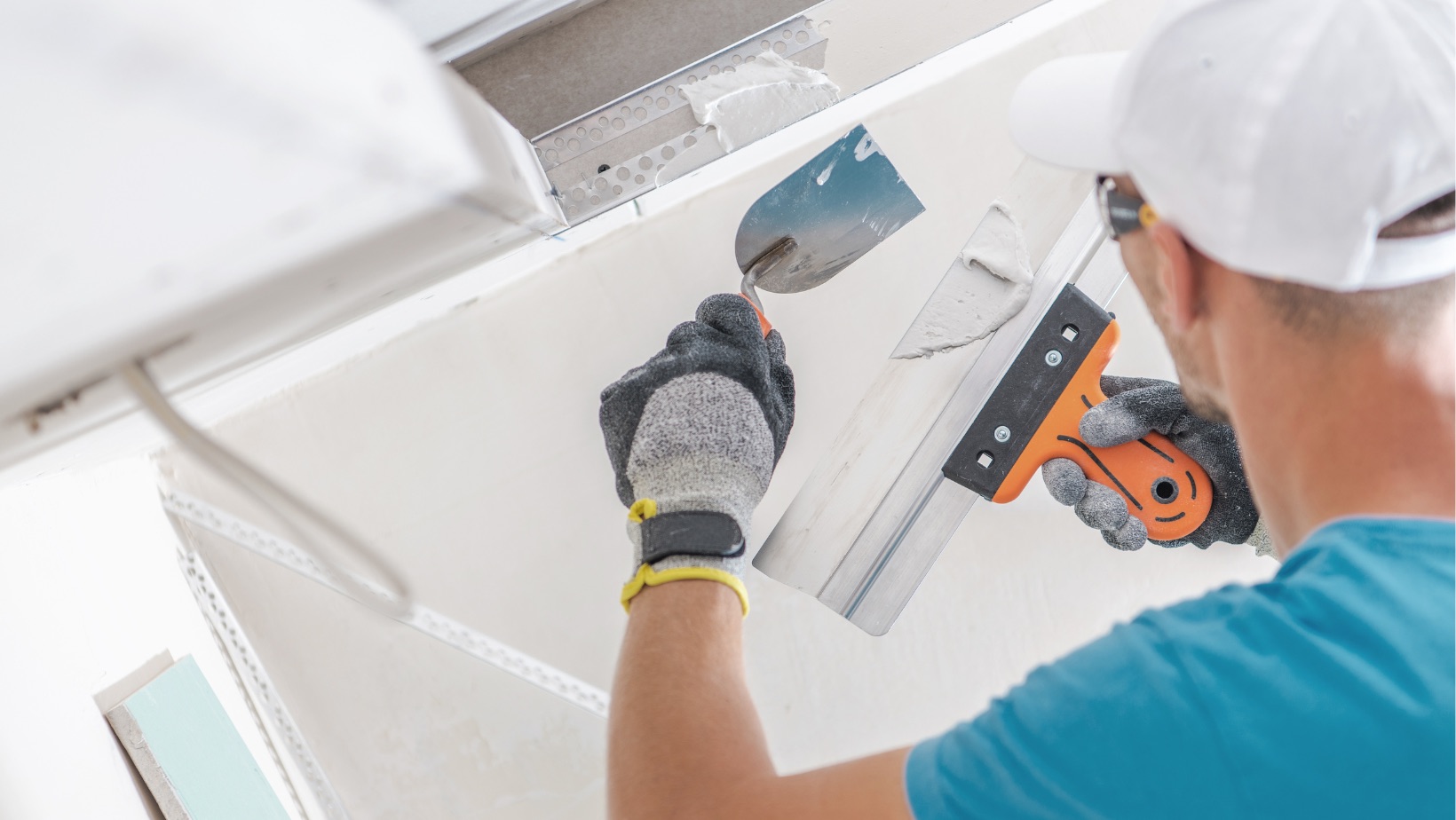
How to Fix Drywall After Removing Wallpaper
Step-by-step guide to repairing drywall damage caused by wallpaper removal, from skim coating to final finishing. Learn how professional drywall repair restores your walls.
Read More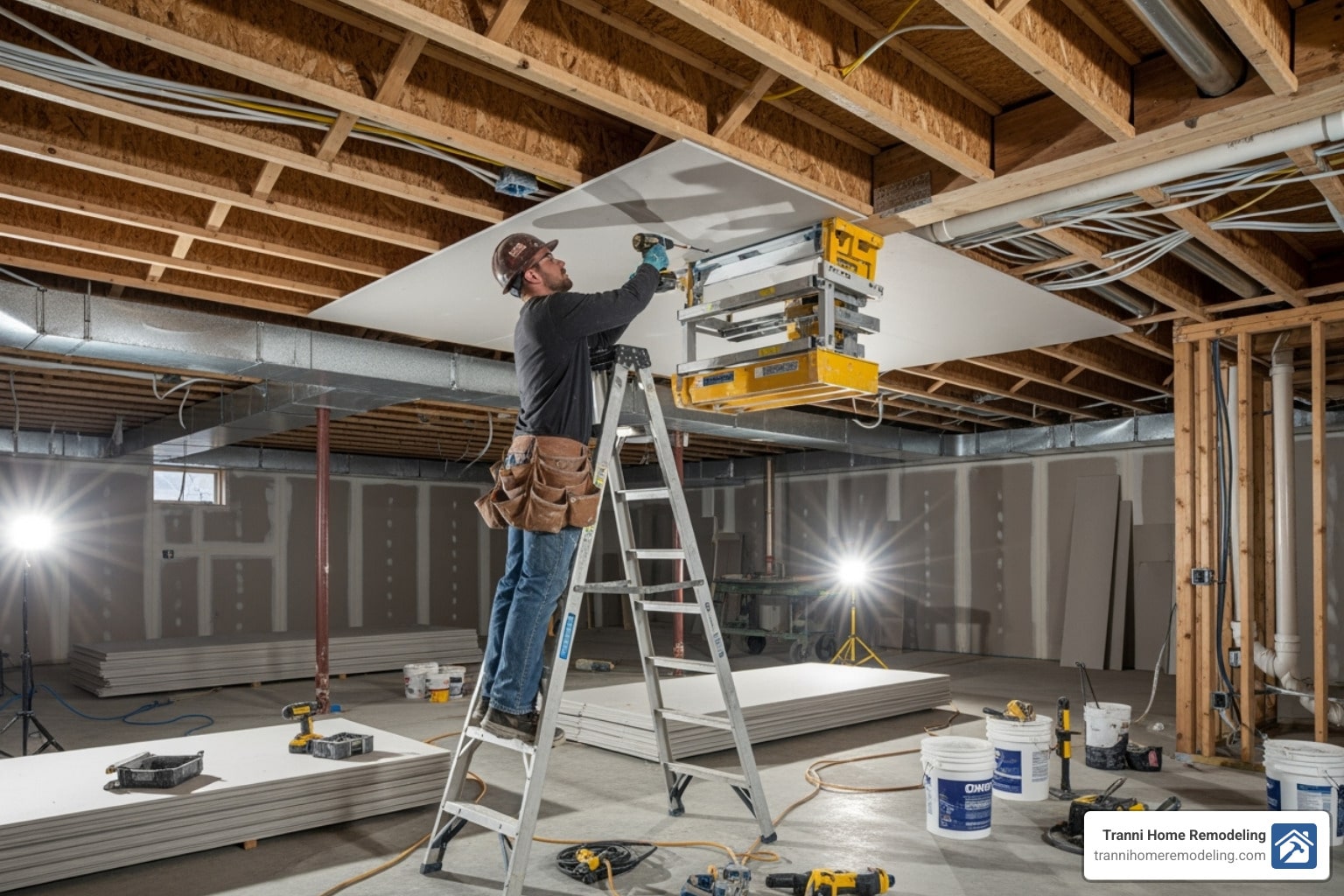
Basement Drywall: Moisture-Resistant Options for Below-Grade Spaces
Explore moisture-resistant drywall options for basements including mold-resistant boards, vapor barriers, and installation best practices for below-grade environments.
Read More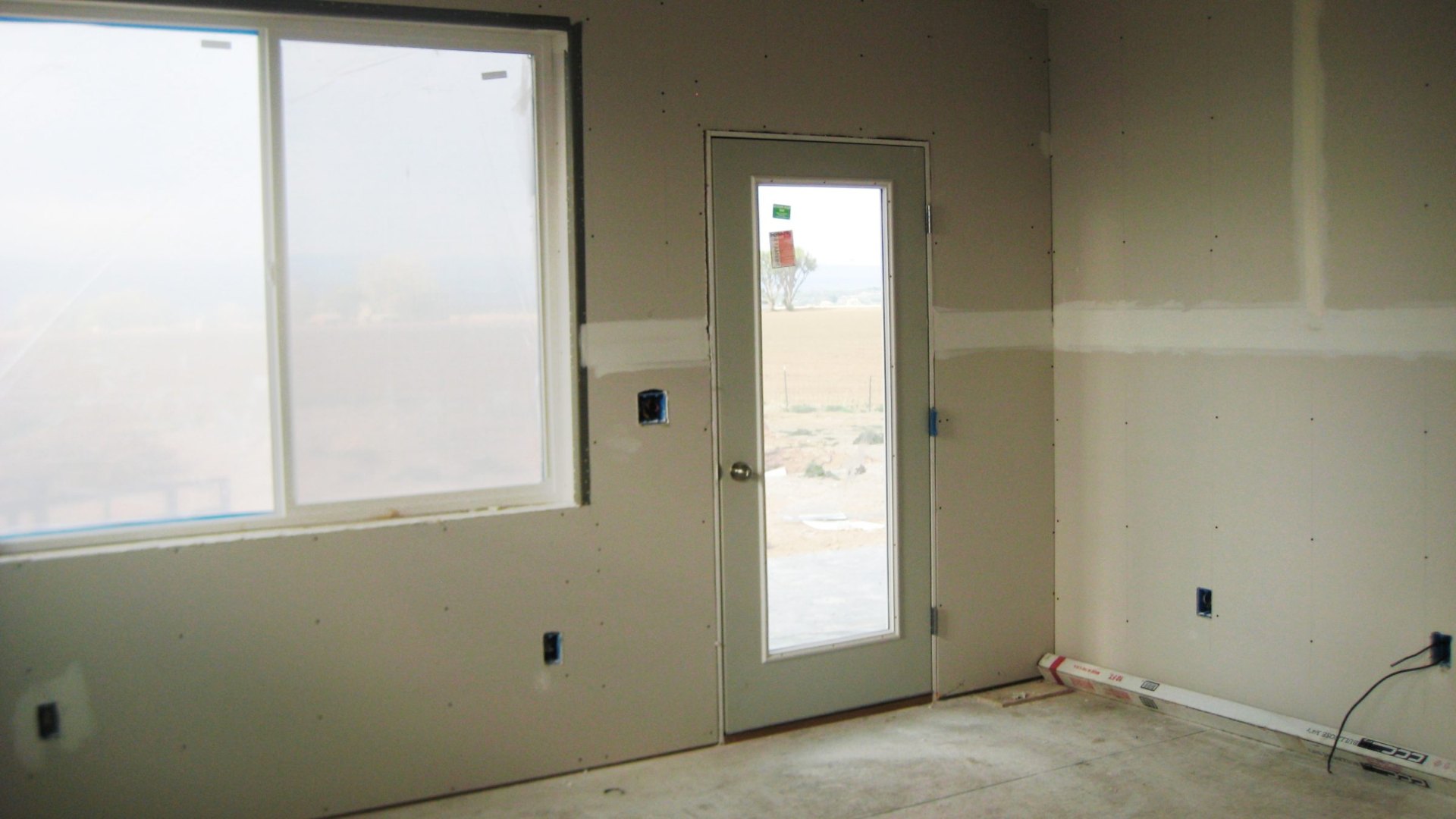
The Benefits of Hiring a Licensed Drywall Contractor
Why hiring a licensed drywall contractor protects your investment with quality workmanship, proper insurance coverage, and code-compliant installations.
Read MoreHow to Repair Drywall Cracks Caused by Foundation Settling
Foundation settling is one of the most common reasons homeowners discover cracks in their drywall. Understanding the root cause is the first step toward a lasting repair.
Read MorePatching Large Holes in Drywall: A Complete Homeowner's Guide
Large holes in drywall — from doorknob impacts to plumbing access — require more than spackle and a putty knife. This guide walks you through professional-grade patching methods.
Read MoreWater-Damaged Drywall: Signs, Risks, and Repair Options
Water damage is drywall's worst enemy. Left untreated, even a small leak can lead to mold growth, structural weakness, and costly repairs. Here is how to identify and fix the problem.
Read MoreCeiling Drywall Repair: Common Problems and Professional Solutions
Ceiling drywall takes more abuse than walls because gravity never stops pulling. From sagging panels to persistent cracks, here are the problems and their professional solutions.
Read MoreMatching Drywall Textures After a Repair
A flawless drywall patch means nothing if the texture does not match. Here is how professionals replicate orange peel, knockdown, and other common textures so repairs disappear.
Read More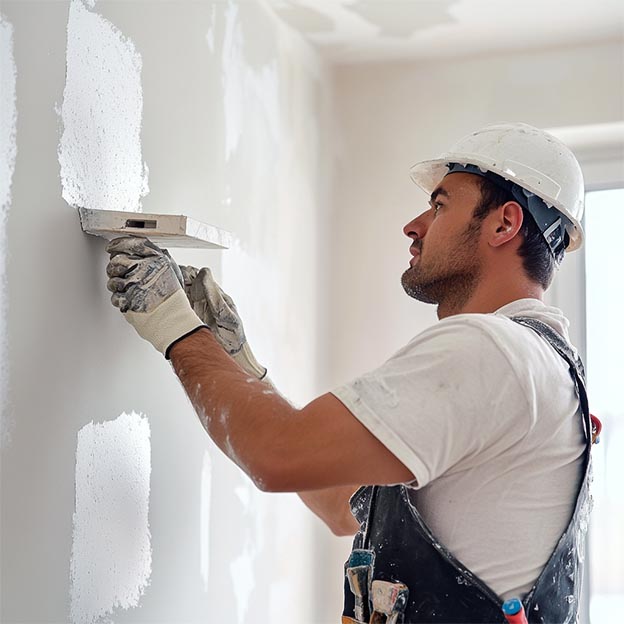
What Causes Nail Pops in Drywall and How to Fix Them
Those small bumps or crescent-shaped cracks appearing on your walls are nail pops — one of the most common drywall issues in homes of all ages. Here is why they happen and how to fix them.
Read MoreJoint Tape Failure: Why Drywall Seams Crack and Peel
When the tape along drywall seams starts to bubble, crack, or peel away, the smooth surface you paid for begins to deteriorate. Understanding why tape fails is the key to a permanent fix.
Read More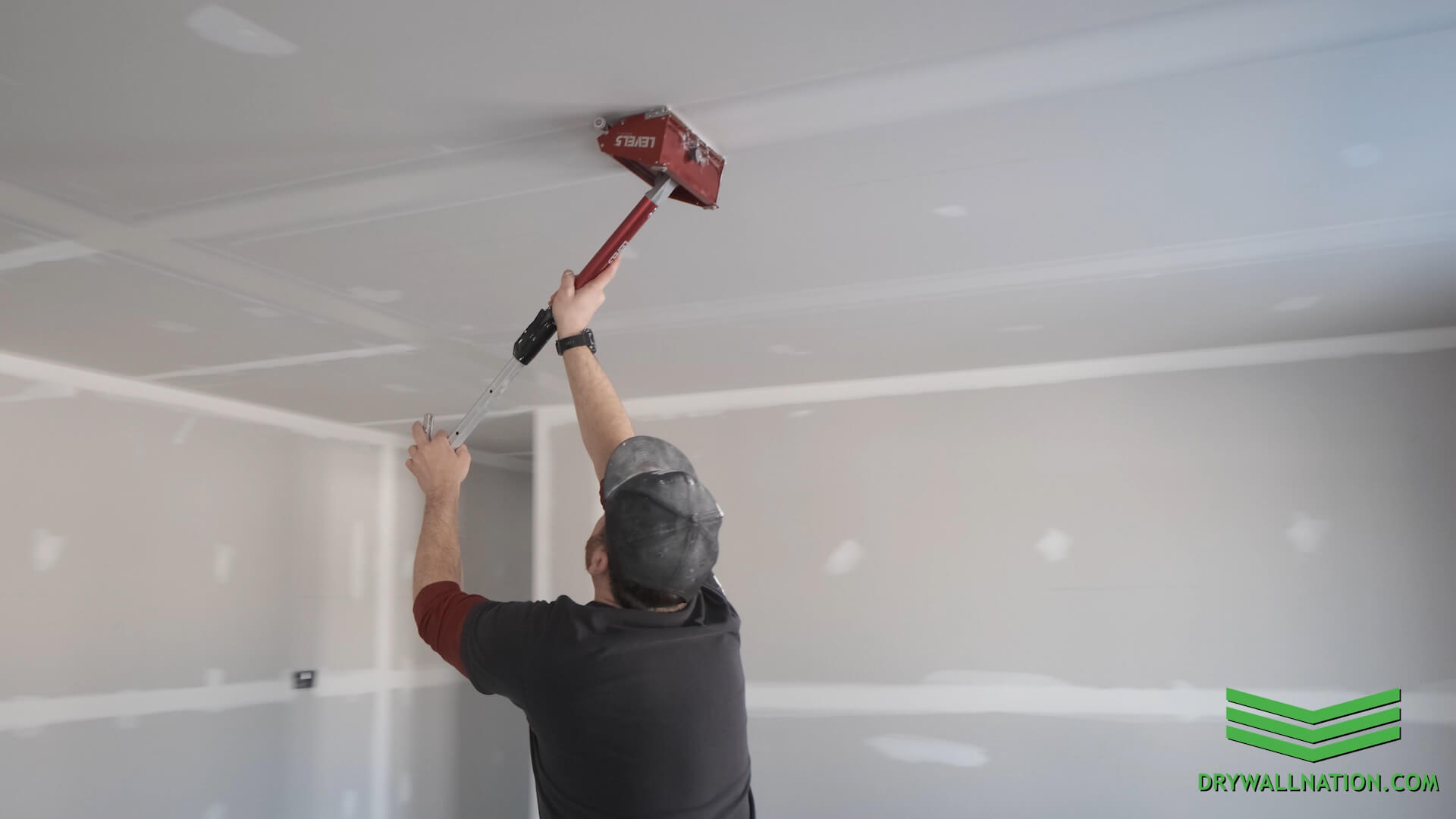
The Complete Guide to Skim Coating Drywall
Skim coating transforms damaged, textured, or imperfect drywall into a smooth, flawless surface. Whether you are renovating or repairing, this guide covers the complete process.
Read MoreDrywall Sanding Techniques for a Smooth Professional Finish
Sanding is the final barrier between a rough drywall job and a professional-quality finish. These techniques will help you achieve smooth, paint-ready surfaces every time.
Read More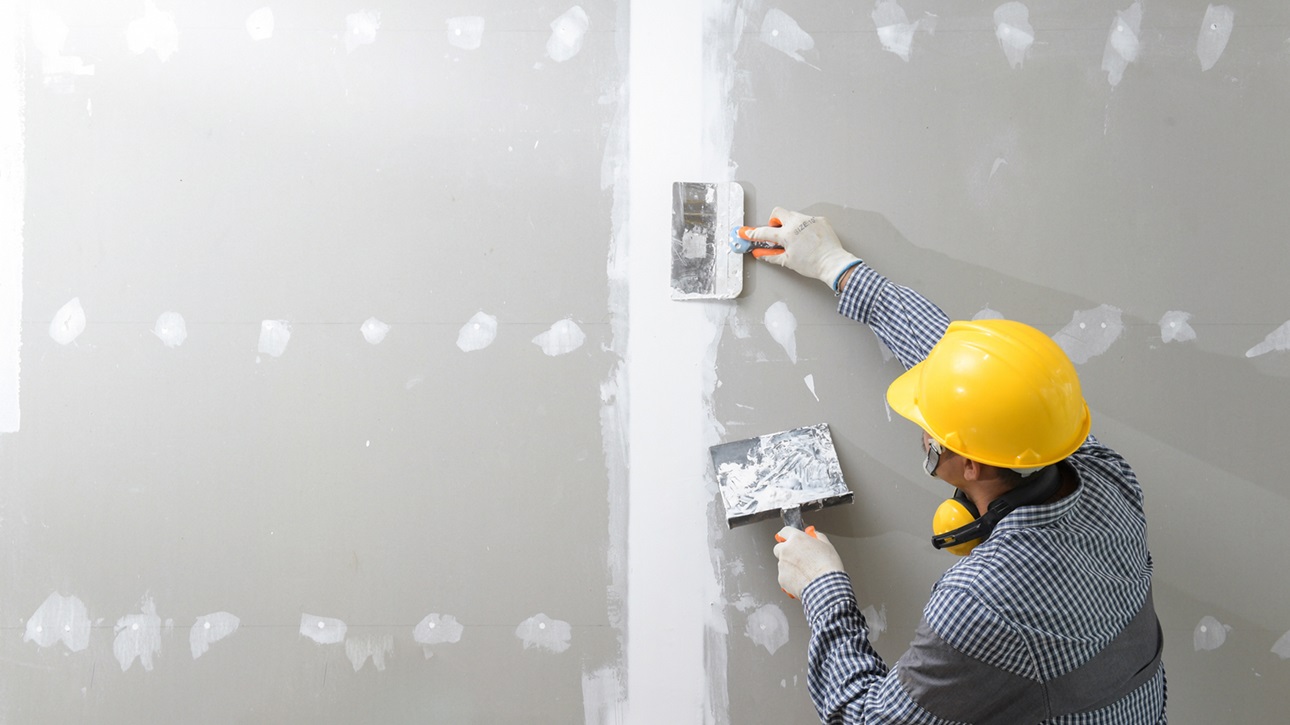
How Much Does Drywall Repair Cost in 2026?
Drywall repair costs vary widely depending on the type and extent of damage. This guide breaks down 2026 pricing for the most common repair scenarios so you can budget accurately.
Read More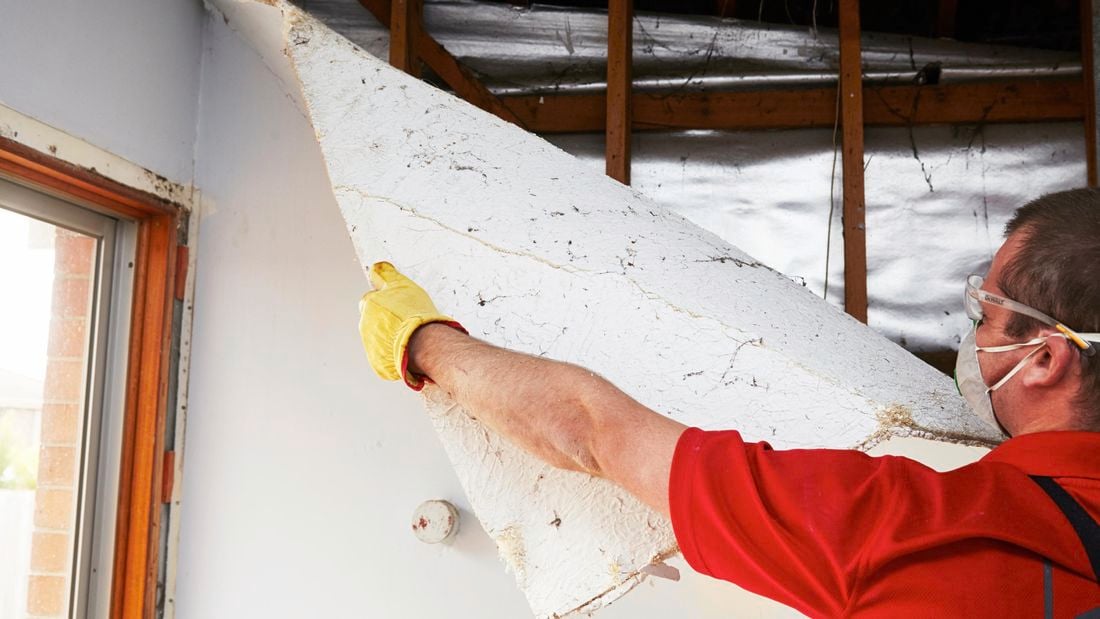
When Should You Replace Sheetrock Instead of Repairing It?
Sometimes a simple patch job is not enough. Knowing when to replace sheetrock entirely can save you money, time, and frustration in the long run.
Read MoreGarage Drywall Repair: Fire Code and Finishing Requirements
Garage drywall is not just about aesthetics — it is a critical fire safety component. Understanding fire code requirements ensures your repair meets building standards.
Read MoreBathroom Drywall Damage: Moisture Prevention and Repair
Bathrooms create the perfect conditions for drywall moisture damage. Proper prevention and timely repair protect your walls and your health.
Read MoreMold Behind Drywall: Warning Signs and Safe Removal
Mold growing behind drywall is a hidden threat that affects air quality and structural integrity. Early detection and proper removal are essential for a healthy home.
Read MoreDIY Drywall Repair vs. Hiring a Professional Contractor
DIY drywall repair can save money on small fixes, but professional contractors deliver superior results on complex projects. Here is how to decide.
Read MoreHow to Fix Drywall Damage from Plumbing Leaks
A plumbing leak behind the wall can destroy drywall from the inside out. Prompt identification and proper repair are critical to preventing structural and mold damage.
Read MoreDrywall Repair for Rental Properties: Landlord and Tenant Guide
Drywall damage in rental properties raises questions about responsibility and cost. This guide clarifies the rules for both landlords and tenants.
Read More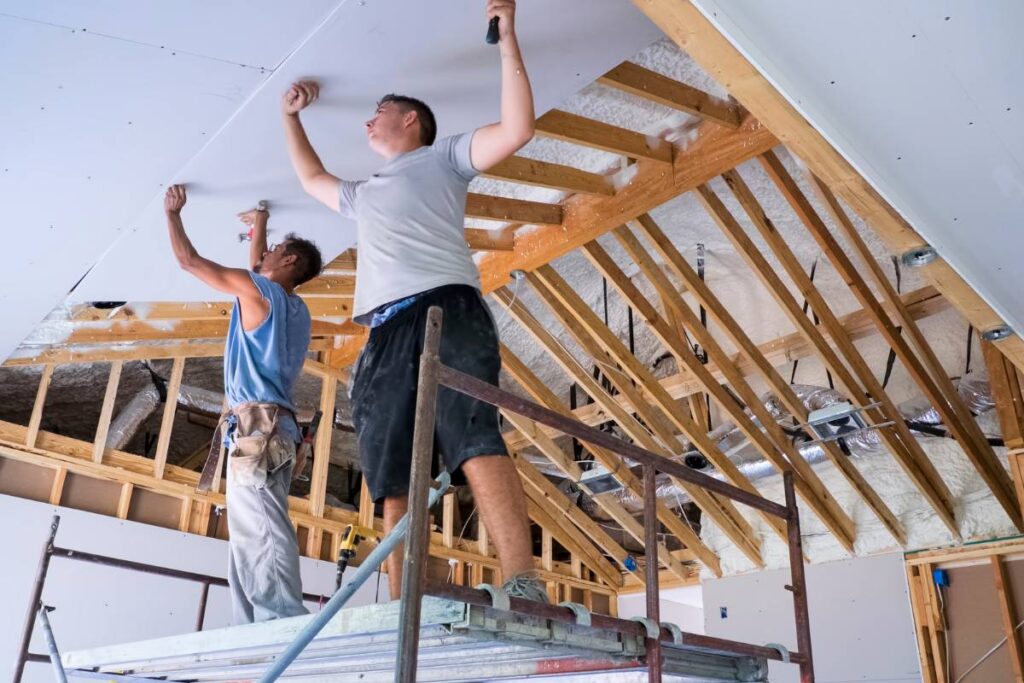
Understanding Drywall Types: Which Board Is Right for Your Project?
Choosing the right drywall type is essential for performance and code compliance. Each board is engineered for specific conditions and applications.
Read More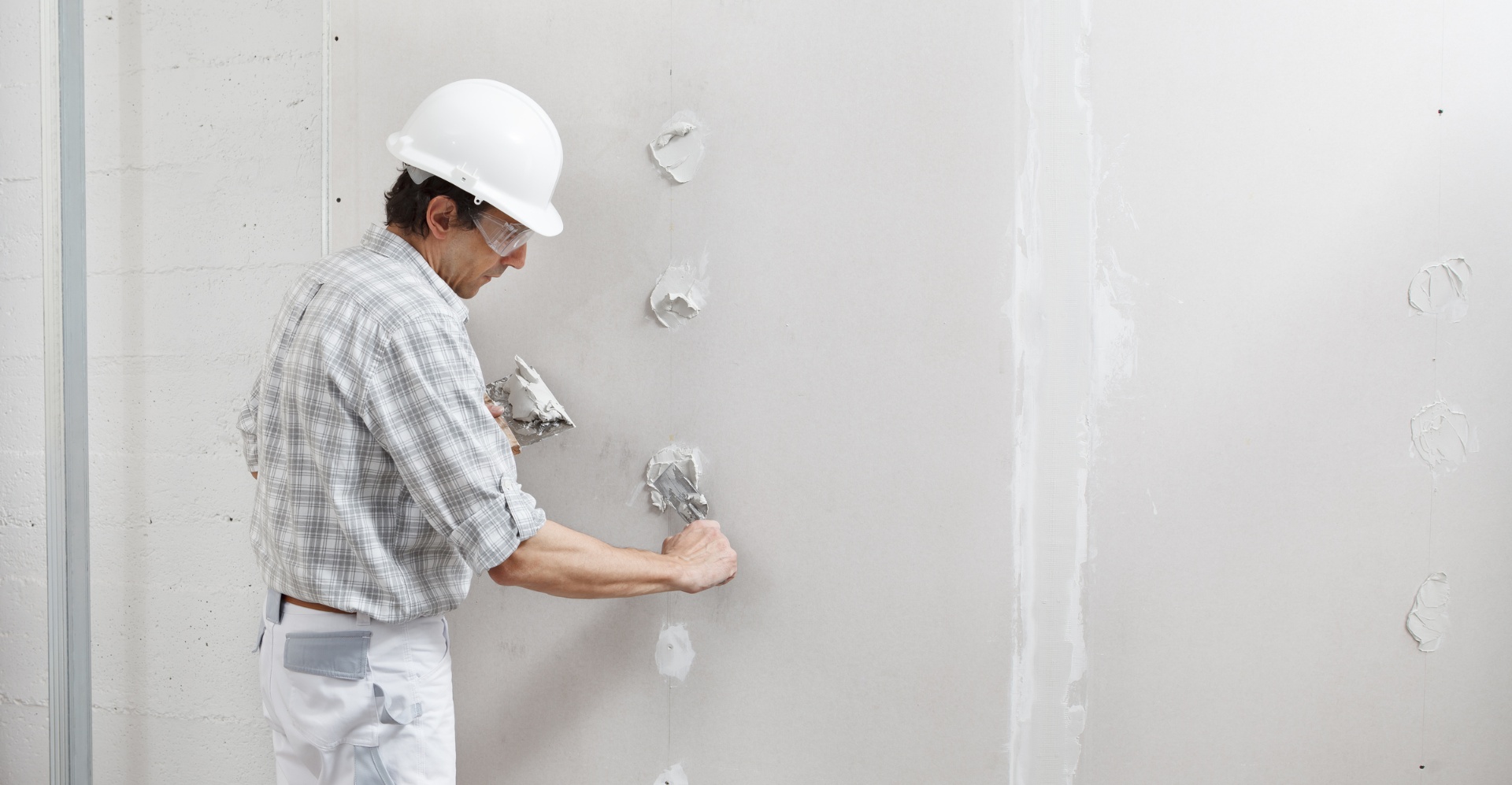
How Seasonal Temperature Changes Damage Your Drywall
Extreme seasonal temperature swings put constant stress on your home's drywall. Understanding this cycle helps you prevent and repair the resulting damage.
Read More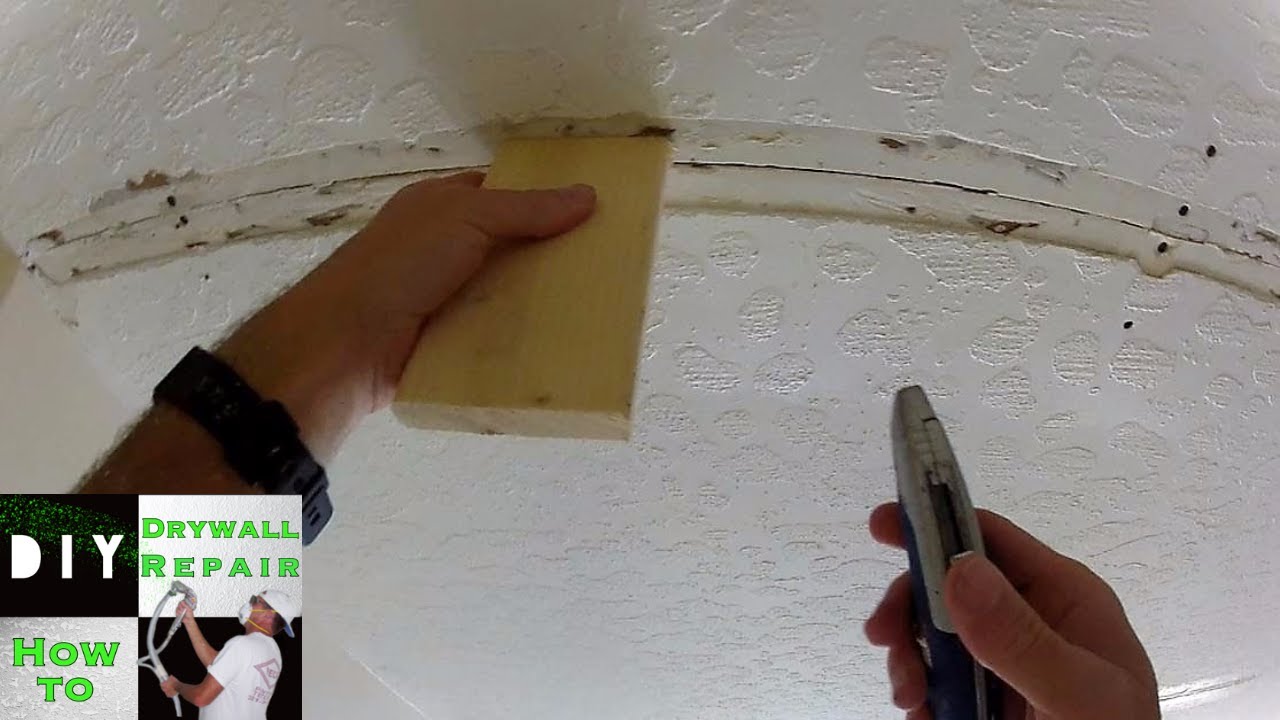
Drywall Repair After Fire Damage: What Homeowners Should Know
Fire damage to drywall goes beyond what you can see on the surface. Professional assessment and proper replacement are essential for safety and insurance compliance.
Read More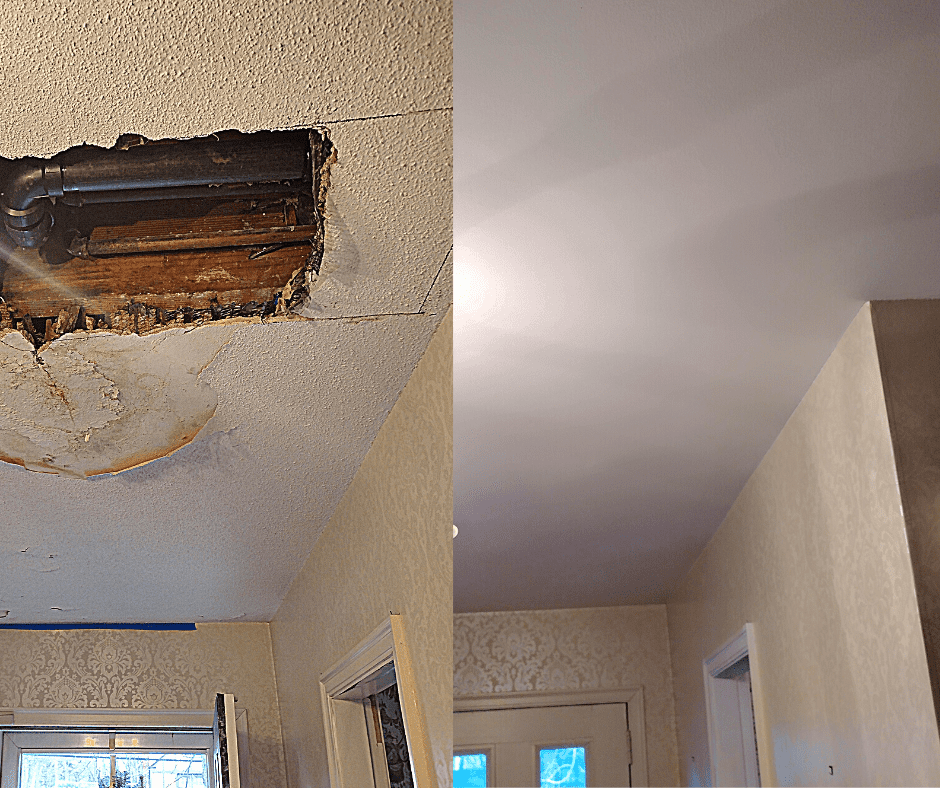
How to Repair Drywall Around Electrical Outlets and Switches
Cracked or crumbling drywall around electrical outlets and switches is more than an eyesore — it can be a safety concern. Here is how to fix it properly.
Read MoreDrywall Repair for Hurricane and Storm Damage
Storms and hurricanes can devastate interior drywall through water intrusion, wind pressure, and structural shifting. Proper restoration protects your home and health.
Read More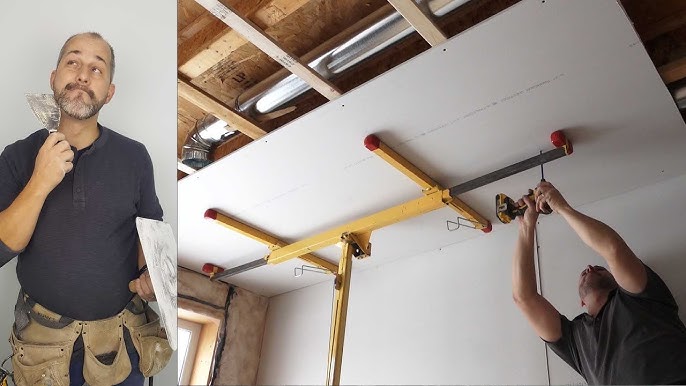
How to Fix Bubbling and Peeling Drywall Tape
When drywall tape bubbles or peels, the smooth surface of your walls is ruined. Understanding the causes leads to lasting repairs rather than temporary fixes.
Read MoreDrywall Repair in Basements: Moisture, Mold, and Best Practices
Basements are the toughest environment for drywall. Below-grade moisture, condensation, and limited ventilation create conditions that demand specialized materials and techniques.
Read MoreRepairing Drywall Damage from Hanging Heavy Objects
When heavy wall-mounted items pull free, they leave behind significant drywall damage. Proper repair and reinforced remounting prevent the problem from recurring.
Read MoreDrywall Corner Bead Repair: Dents, Cracks, and Replacement
Corner bead protects your drywall edges, but it is also prone to dents and damage from everyday impacts. Proper repair restores clean, sharp corners throughout your home.
Read MoreCeiling Cracks in Older Homes: Causes and Lasting Repairs
Ceiling cracks in older homes range from harmless cosmetic issues to signs of structural concern. Identifying the cause determines the right repair approach.
Read MoreHow Humidity and Poor Ventilation Destroy Drywall Over Time
You do not need a flood to damage your drywall. Chronic humidity and inadequate ventilation cause slow, persistent deterioration that compounds over time.
Read MoreHow to Repair Drywall After Removing Wallpaper
Wallpaper removal frequently damages the drywall surface beneath. The right repair technique transforms a torn, rough wall into a smooth, paint-ready surface.
Read More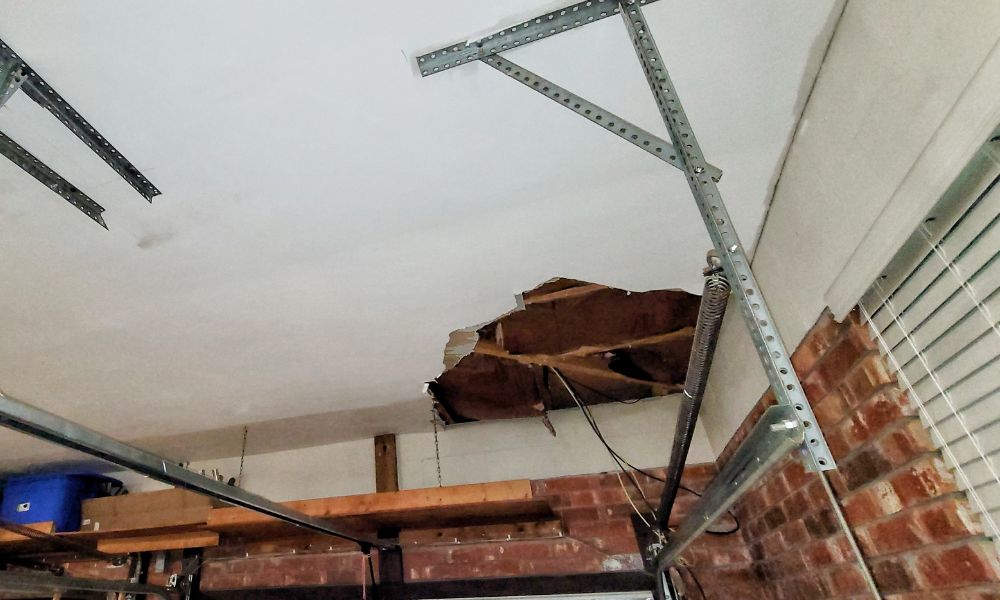
Drywall Repair vs. Plaster Repair: Key Differences Explained
Many homeowners do not know whether their walls are drywall or plaster, but the repair techniques are very different. Identifying your wall type is the first step.
Read MoreHow to Repair Drywall Cracks Above Doors and Windows
Diagonal cracks radiating from the corners of doors and windows are one of the most common drywall problems. Understanding the cause is the key to a lasting repair.
Read MoreDrywall Repair in Arid Climates: Challenges and Solutions
Dry desert climates create unique challenges for drywall repair. Rapid compound drying, extreme temperature swings, and low humidity demand adapted techniques.
Read MorePopcorn Ceiling Removal: Process, Cost, and Modern Alternatives
Popcorn ceilings are the most-requested removal project in residential drywall. Understanding the process, costs, and asbestos risks helps you plan a successful project.
Read MoreHow to Identify and Repair Drywall Water Stains
Water stains on drywall are never just cosmetic. They indicate moisture that may be causing hidden damage behind the wall. Proper diagnosis comes before repair.
Read MoreDrywall Repair for Home Staging: Quick Fixes That Sell Houses
When selling your home, drywall condition directly affects buyer impressions. Strategic repairs deliver significant return on investment by improving perceived home value.
Read MoreDrywall Soundproofing: How to Reduce Noise Between Rooms
If you can hear conversations through your walls, soundproofing upgrades during drywall repair or renovation can dramatically improve your home's acoustic privacy.
Read MoreRepairing Drywall in Mobile and Manufactured Homes
Mobile and manufactured homes use different drywall materials and construction methods than site-built homes. Repairs require adapted techniques for lasting results.
Read More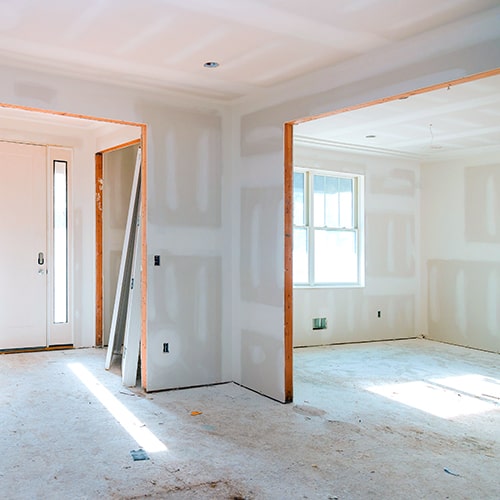
Drywall Repair for Home Additions and Room Extensions
Home additions create unique drywall challenges where new construction meets existing walls. Achieving a seamless transition requires specific techniques and attention to detail.
Read MoreProtecting Drywall from Termite and Pest Damage
Termites and other pests damage drywall from the inside, often going undetected until the destruction is extensive. Prevention and early detection are your best defenses.
Read MoreHow to Prevent and Repair Drywall Damage from Ice Dams
Ice dams are a winter hazard that can send water cascading into your home, damaging ceilings and walls. Prevention and proper repair protect your home year after year.
Read MoreHow to Repair Drywall Damaged by Roof Leaks
A roof leak can travel far from its source before damaging your drywall. Tracing the water path and repairing correctly prevents recurring damage and mold growth.
Read MoreDrywall Expansion Joints: When and Where You Need Them
Expansion joints in drywall prevent the cracking that occurs when long runs of panels expand and contract. Knowing where to place them saves costly future repairs.
Read MoreDrywall Repair After Flooding: A Step-by-Step Recovery Guide
Floodwater devastates drywall in ways that require complete removal and replacement. Following the correct recovery sequence protects your home and your health.
Read MoreHow to Fix Drywall Screw Pops and Fastener Failures
Those small bumps pushing through your drywall surface are screw pops — a common problem with a straightforward permanent fix when done correctly.
Read MoreDrywall Repair for Commercial Properties: What Business Owners Need to Know
Commercial drywall repair involves code requirements, tenant coordination, and scheduling constraints that residential projects do not face. Planning ahead minimizes disruption.
Read MoreHow Altitude and Dry Air Affect Drywall in Mountain Homes
Homes at high altitude face drywall challenges that lowland homes never encounter. Extreme dryness, UV intensity, and dramatic temperature swings require adapted approaches.
Read MoreDrywall Repair in Condos and HOA Properties: Rules and Best Practices
Condo and HOA drywall repairs require navigating association rules, shared wall responsibilities, and neighbor coordination that single-family homes do not face.
Read MoreHow to Repair Drywall Damaged by Furniture and Moving
Moving day takes a toll on your walls. From corner dents to doorway gouges, furniture-related drywall damage is easy to repair with the right approach.
Read MoreDrywall Maintenance Tips to Extend the Life of Your Walls
Most drywall damage is preventable with basic maintenance. Regular inspection, prompt minor repairs, and environmental control keep your walls looking great for decades.
Read MoreLead Paint and Drywall Repair: Safety Precautions for Older Homes
Homes built before 1978 may contain lead paint that becomes hazardous during drywall repair. Federal regulations require specific safety protocols to protect occupants.
Read MoreHow to Repair Drywall in Laundry Rooms and Utility Areas
Laundry rooms combine moisture, heat, and vibration — a perfect recipe for drywall damage. Using the right materials and repair techniques keeps these hardworking spaces in shape.
Read MoreUnderstanding Drywall Finish Levels: Level 0 Through Level 5
Not every wall needs the same finish quality. Understanding drywall finish levels 0 through 5 helps you specify the right level for each area and avoid overspending.
Read MoreDrywall Repair After Electrical and Plumbing Renovations
Every electrical and plumbing renovation leaves drywall damage in its wake. Proper closure and finishing restore your walls to their pre-renovation condition.
Read MoreHow to Choose the Right Drywall Contractor for Your Project
The difference between a great drywall result and a disappointing one often comes down to choosing the right contractor. Here is what to look for and what to avoid.
Read MoreEarthquake-Proofing Your Drywall: Flexible Systems for Seismic Zones
Standard drywall cracks under seismic stress. Flexible installation techniques and specialized hardware help walls survive earthquakes with less damage.
Read MoreHow to Repair Drywall Cracks Along Stairwells and Two-Story Walls
Tall walls in stairwells and two-story spaces are among the most crack-prone surfaces in any home. Their height amplifies structural movement and makes repairs challenging.
Read MoreGreen Building and Drywall: Sustainable Options for Eco-Conscious Homeowners
Sustainable building practices extend to drywall. From recycled-content panels to low-VOC compounds, green options reduce environmental impact without sacrificing quality.
Read MoreDrywall Repair for Historic Homes: Preserving Character While Fixing Damage
Repairing drywall in historic homes requires balancing modern repair techniques with respect for the home's original character and any preservation requirements.
Read MoreDrywall Repair Mistakes That Make Damage Worse
Well-intentioned drywall repairs often go wrong. Avoiding these common mistakes saves you from making the damage worse and spending more on corrective work.
Read MoreHow to Prepare Drywall for Painting: The Complete Priming Guide
The difference between a professional-looking paint job and an amateur one often comes down to priming. Proper preparation makes paint look better and last longer.
Read MoreHow to Repair Drywall Around HVAC Vents and Registers
HVAC vents create stress points in drywall that crack and deteriorate over time. Proper repair restores both appearance and the air seal around your ductwork.
Read MoreDrywall Repair for Garage Conversions and Living Space Additions
Garage conversions require upgrading existing drywall to meet residential living space standards for fire rating, insulation, and finish quality.
Read MoreHow Pets Damage Drywall and How to Repair It
Pets and drywall do not always get along. Scratching, chewing, and moisture damage from pets requires specific repair approaches and preventive strategies.
Read MoreHow Cold Weather Affects Drywall Installation and Repair
Winter drywall work requires special precautions. Cold temperatures, low humidity, and heating system effects all impact compound performance and repair quality.
Read MoreDrywall Repair Behind Bathroom Tiles: What You Cannot See Matters
The drywall hidden behind bathroom tiles takes constant moisture abuse. When it fails, the tile goes with it. Proper substrate selection prevents this expensive problem.
Read MoreHow to Handle Drywall Repairs During a Home Renovation
Every home renovation involves drywall work. Planning the drywall phase properly within the overall project timeline saves money and ensures quality results.
Read MoreDrywall Safety: Dust Hazards, PPE, and Safe Work Practices
Drywall work produces fine dust that is hazardous to breathe. Proper safety equipment and dust management protect your health during repair and finishing projects.
Read MoreDrywall Repair for Airbnb and Short-Term Rental Properties
Short-term rental properties face constant drywall wear from high guest turnover. Fast, durable repairs and damage-resistant upgrades keep your property guest-ready.
Read MoreHow to Repair Drywall Water Damage Without Replacing Entire Panels
Minor water damage does not always require tearing out entire panels. Knowing when partial repair is appropriate saves time and money without compromising quality.
Read MoreDrywall Repair and Home Insurance: What Is Covered?
Homeowners insurance covers some drywall damage but not all. Understanding what is covered helps you make informed decisions about repairs and claims.
Read MoreHow to Repair Drywall in Closets and Small Spaces
Closet drywall damage is easy to ignore but worth fixing. Adapted techniques for tight spaces produce professional results even in confined areas.
Read MoreUnderstanding Drywall Warranties and Contractor Guarantees
Drywall warranties and contractor guarantees vary widely. Understanding what is covered — and what is not — protects your investment in quality wall finishing.
Read MoreDrywall Repair After Tornado and Severe Wind Damage
Severe wind and tornado damage to your home's interior requires systematic assessment and professional restoration. Safety and proper sequencing ensure a successful recovery.
Read MoreHow to Repair Drywall in High-Rise Apartments and Condos
Drywall repair in high-rise buildings comes with logistical and regulatory challenges that low-rise and single-family projects do not face.
Read MoreDrywall Repair for Older Manufactured and Modular Homes
Older manufactured and modular homes use drywall materials and construction methods that differ from site-built homes. Successful repairs require understanding these differences.
Read MoreHow to Achieve a Perfect Level 5 Drywall Finish
Level 5 is the highest quality drywall finish — a skim-coated surface so smooth it rivals plaster. Here is how professionals achieve this premium result.
Read MoreHow Drywall Repair Affects Home Appraisal Value
Home appraisers evaluate drywall condition as part of their assessment. Strategic repairs protect your home's value and prevent costly appraisal adjustments.
Read MoreDrywall Alternatives: When Gypsum Board Is Not the Best Choice
Standard drywall is versatile but not universal. Certain applications perform better with alternative wall materials that offer superior moisture, impact, or fire resistance.
Read MoreHow to Fix Drywall Damage from Children and Family Activity
Active families are tough on walls. From toy impacts to crayon marks, family-related drywall damage is common but easy to repair with the right techniques.
Read MoreEmergency Drywall Repair: What to Do When Damage Cannot Wait
When drywall damage exposes hazards or allows ongoing destruction, knowing what to do immediately protects your family and minimizes repair costs.
Read MoreHow to Repair Drywall in Attic Conversions and Knee Wall Spaces
Attic conversions present unique drywall challenges from extreme temperatures, sloped ceilings, knee walls, and limited access. Proper technique ensures lasting results.
Read MoreHow to Repair Drywall Damage from Woodstoves and Fireplaces
Woodstoves and fireplaces create intense heat that damages adjacent drywall. Safe repair requires heat-resistant materials and proper clearance distances.
Read MoreDrywall Repair in Tropical Climates: Humidity, Salt Air, and Mold
Tropical climates create the most challenging environment for drywall. Constant humidity, salt air corrosion, and aggressive mold require specialized approaches.
Read MoreInsulating and Finishing Drywall in Cold Climate Additions
Building an addition in a cold climate demands careful attention to insulation, vapor barrier placement, and drywall installation to prevent moisture and energy problems.
Read MoreDrywall Repair and Lead Disclosure Requirements When Selling Your Home
If your home was built before 1978, drywall repairs and lead paint disclosure requirements intersect in important ways that every seller must understand.
Read MoreHow to Repair Textured Ceilings Without Removing the Entire Texture
A damaged section of textured ceiling does not require removing the texture from the entire surface. Skilled spot repair blends new texture with existing patterns.
Read MoreDrywall Fire Resistance Ratings: Understanding What Protects Your Family
Fire-rated drywall provides critical time for evacuation during a fire. Understanding fire resistance ratings helps you ensure your home meets safety standards.
Read MoreHow to Plan a Whole-House Drywall Refresh on a Budget
A comprehensive drywall refresh — repairing all accumulated damage and repainting — transforms your home's appearance. Smart planning makes it affordable.
Read MoreDrywall Repair for New Construction: First-Year Warranty Issues
New homes are not immune to drywall problems. First-year settling, lumber shrinkage, and seasonal cycling produce defects that builder warranties should cover.
Read MoreThe Complete Homeowner's Drywall Repair Toolkit: What You Actually Need
A well-stocked drywall repair toolkit lets you handle minor fixes quickly and confidently. Here is exactly what you need — and what you can skip.
Read MoreHow to Patch a Hole in Drywall: A Complete DIY & Pro Guide
From small nail holes to fist-sized damage, this guide walks you through every method for patching drywall — including when a professional wall patch makes more sense than a DIY fix.
Read MoreHow to Fix Small Holes in Drywall: Quick Repair Methods That Work
Small drywall holes from nails, screws, and minor impacts are easy to fix with the right approach. Learn which drywall hole filler products work best and how to get invisible results.
Read MoreThe California Patch: A Fast and Effective Drywall Repair Method
The California patch (also called a hot patch or butterfly patch) is a professional drywall repair technique that creates strong, seamless results without mesh tape or furring strips.
Read MoreEssential Drywall Repair Tools and Kits: What You Actually Need
Not sure which drywall repair tools you need? This guide covers everything from basic spackle tools to complete wall repair kits, helping you choose the right equipment for any drywall project.
Read MoreHow to Fix Sheetrock Walls and Corners: A Comprehensive Repair Guide
Sheetrock damage on walls and corners requires specific repair techniques. This guide covers everything from patching sheetrock holes to fixing damaged corner beads and restoring wall surfaces.
Read MoreHow to Repair Drywall Around Recessed Lighting Fixtures
Recessed lighting projects often leave oversized or jagged holes in drywall. This guide shows you how to resize, patch, and finish those openings for professional, lasting results.
Read MoreDrywall Repair for Vaulted and Cathedral Ceilings
Vaulted and cathedral ceilings add drama to a home but make drywall repair more complicated. This guide covers safe access, crack repair, sag correction, and how to keep patches invisible from below.
Read MoreRepairing Drywall After Solar Panel Installation
Solar panel installations frequently leave behind drywall damage from conduit runs, inverter mounting, and roof penetrations. This guide covers how to repair every type of interior damage.
Read MoreHow to Fix Drywall Damage from Window AC Units
Window AC units leave behind moisture damage, sagging drywall, and mounting bracket holes. Here's how to repair the damage and prevent recurrence.
Read MoreDrywall Repair for Tiny Homes and Accessory Dwelling Units
Tiny homes and accessory dwelling units present unique drywall repair challenges from chassis movement to compact working spaces. Here's what works and what to avoid.
Read MoreHow to Repair Drywall in Garage Workshops and Home Gyms
Workshop walls and home gym surfaces face repeated impacts, weight, and abrasion. Here's how to repair existing damage and reinforce drywall for ongoing heavy use.
Read MoreDrywall Repair for Coastal Homes: Salt Air and Wind Damage
Coastal homes deal with salt air corrosion, persistent humidity, and storm-driven moisture that accelerates drywall damage. Here's how to repair and protect coastal interiors.
Read MoreHow to Match Drywall Repairs on Smooth Modern Walls
Smooth, Level 5 modern walls show every imperfection a drywall repair creates. This guide covers the techniques pros use to make patches genuinely invisible under direct light.
Read MoreDrywall Repair After Smart Home Wiring Installation
Smart home retrofits leave dozens of small drywall openings throughout the house. Here's how to repair them all cleanly so your high-tech upgrade doesn't ruin your interior finish.
Read MoreHow to Repair Drywall in Sloped Ceilings and Dormers
Sloped ceilings, knee walls, and dormer windows present some of the trickiest drywall repair situations. This guide covers angled surfaces, complex transitions, and finish techniques.
Read MoreHow to Repair Drywall Damage From Picture Frames and Wall Anchors
Picture hangers, wall anchors, and TV mounts leave behind a trail of drywall damage. This guide walks through clean repairs for everything from pinholes to torn-out toggle bolts.
Read More
Drywall Repair After Plumbing Leaks: Step-by-Step Guide
Plumbing leaks leave drywall stained, warped, and often hiding hidden mold. This guide covers safe drying, replacement, and refinishing for walls and ceilings damaged by water.
Read MoreHow to Repair Drywall Around Electrical Outlets and Switches
Loose outlets, oversized cutouts, and torn drywall around switches are common problems. Learn how to repair these safely without compromising electrical code.
Read MoreDrywall Repair for High-Humidity Areas: Bathrooms and Laundry Rooms
Bathrooms and laundry rooms challenge drywall with constant humidity and splash exposure. Learn how to repair and refinish these spaces with materials and methods that resist moisture damage long-term.
Read MoreHow to Repair Drywall After Removing Wallpaper
Pulling down old wallpaper often tears the drywall paper face and leaves stubborn glue residue. This guide walks through proper repair and skim coating for paint-ready walls.
Read MoreRepairing Drywall in Stairwells and High-Ceiling Foyers
Stairwells and tall foyers present unique drywall repair challenges from steep angles to high ceilings. Learn how to access, repair, and finish these spaces safely and beautifully.
Read MoreDrywall Repair for Pet Damage: Scratches, Chewing, and Stains
Pets can do serious damage to drywall through scratching, chewing, and accidents. This guide covers everything from minor scratches to major holes and odor sealing.
Read MoreHow to Repair Drywall in Garages and Workshops
Garage and workshop drywall takes a beating from tools, vehicles, and equipment. Learn how to repair, reinforce, and refinish these hard-use spaces for lasting results.
Read MoreDrywall Repair After Removing Built-Ins and Cabinets
Removing cabinets and built-ins almost always leaves drywall damage behind. This guide covers patching, refinishing, and integrating repairs into the surrounding wall.
Read MoreHow to Repair Drywall Around Window and Door Frames
Cracks and damage around windows and doors are common drywall problems caused by movement and impact. Learn how to fix them durably with techniques that prevent return cracks.
Read MoreDrywall Repair After Removing a Fireplace Mantel
Pulling off a decorative mantel exposes lag bolts, paint shadows, and stained drywall. This walkthrough covers patching the anchors, repairing the substrate, and matching the surrounding wall.
Read MoreDrywall Patch Cost Breakdown by Damage Size
Not every drywall hole costs the same to fix. This guide breaks down patch pricing by damage size, region, finish level, and access difficulty.
Read MoreHow to Apply Orange Peel Texture Like a Pro
Orange peel is the most common wall texture in modern homes. Mastering the spray pattern, mud consistency, and pass timing is the difference between hidden seams and patch flashing.
Read MoreApplying Knockdown Texture for a Seamless Finish
Knockdown texture forgives small wall imperfections while staying modern and easy to clean. Getting it right depends on timing the knockdown blade pass to the second.
Read MoreSkip Trowel Texture: Step-by-Step Application
Skip trowel offers a softer, more artisanal look than spray textures. The trick is consistent pressure, a loose wrist, and a tight mud mix.
Read MoreDrywall Repair During Summer Monsoon Season
Monsoon storms expose every weak seal in a home. Roof leaks, window flashing failures, and humidity spikes all show up as drywall damage within days.
Read MoreDrywall Cracks Caused by Hot Summer Expansion
Long summer heat waves cause framing to expand and contract, opening hairline cracks at corners, doorways, and seams. Some are easy fixes; others are warnings.
Read MoreFall Drywall Maintenance Checklist for Homeowners
Fall is the best time to walk every wall in your house with a checklist. Catching cracks, soft spots, and moisture stains now prevents winter emergencies.
Read More
Preventing Drywall Cracks From Winter Heating
Every winter, drywall cracks open along the same predictable lines. Most are driven by indoor humidity dropping below 25 percent.
Read MorePrepping Drywall Before Holiday Guests Arrive
Two weeks before guests arrive is the right window for a focused drywall refresh. Hallways, entries, and guest baths take the spotlight.
Read MoreDrywall Repair Before Listing Your House
When a house goes on the market, drywall flaws read as deferred maintenance. The right pre-sale repairs raise perceived value without overspending.
Read MoreDrywall Repair Strategy for Investment Property Flips
Flippers and BRRRR investors balance speed, finish quality, and cost. Drywall is often the line item that decides whether the project hits its margin.
Read MoreDrywall Repair After Removing Built-In Shelving
Built-in shelving leaves a fingerprint on the wall once you take it down. The job is part demolition, part patching, part finish blending.
Read MoreRepairing Drywall Damage After Removing Baseboards
Removing old baseboards almost always damages the paper face of the drywall behind. The repair sets the stage for clean, gap-free reinstallation.
Read MoreDrywall Repair After Crown Molding Removal
Pulling crown molding sounds simple until you see the paint lines and finish-nail holes that remain. The repair needs to flow from wall to ceiling.
Read MoreDrywall Repair After Removing Chair Rail
A chair rail removal scar is one of the most visible drywall repairs in any room because it cuts the wall in half horizontally.
Read MoreDrywall Repair After Removing Wainscoting
When wainscoting comes off the wall, what is behind it usually needs more than just spackle. Plan a full skim coat and a focused inspection.
Read MoreDrywall Repair After Mounting a 65-Inch TV
A 65-inch wall-mounted TV concentrates a surprising amount of weight on four to six anchor points. Removing it leaves a repair worth doing right.
Read MoreDrywall Repair After Floating Shelf Installation
Floating shelves look minimal on the wall but their hidden hardware leaves a much bigger footprint than a standard bracket.
Read MoreDrywall Repair After Removing Curtain Rod Hardware
Curtain rods sit above windows where every patch is in eye line. The repair has to be invisible.
Read MoreDrywall Repair After Removing Blinds and Shades
Old blinds and roller shades concentrate damage at window corners where any patch is highly visible. The repair must blend perfectly.
Read MoreDrywall Repair After Removing a Recessed Medicine Cabinet
Recessed medicine cabinets create a stud-bay-sized hole when removed. The repair is part framing, part drywall, part paint.
Read MoreDrywall Repair After Removing Bathroom Towel Bars
Towel bars come down during every bathroom refresh. The patching challenge is matching semi-gloss paint without flashing.
Read MoreDrywall Repair After Removing Bathroom Grab Bars
Grab bars are anchored with heavy hardware for safety. Removing them leaves equally heavy-duty damage to repair.
Read MoreDrywall Repair After Widening a Doorway
Widening a doorway is part framing, part drywall, part finishing. The repair must hold up to constant traffic without ever cracking.
Read MoreDrywall Repair After Removing a Pocket Door
When a pocket door is removed, the track cavity becomes an open wall void on both sides. The repair is essentially a small drywall installation.
Read MorePatching Textured Walls With an Orange Peel Blend
Patching into existing orange peel is harder than spraying a whole new wall. The new texture must match droplet density and feathering perfectly.
Read MoreBlending Knockdown Texture Into an Existing Wall
Knockdown texture is unforgiving when patched poorly. Done well, the new texture is invisible; done quickly, the patch glows under every light.
Read MoreDrywall Repair After Vinyl Plank Flooring Installation
Vinyl plank installation crews focus on the floor, not the wall behind it. Bottom-edge drywall damage is normal and easy to repair.
Read MoreLooking for a drywall contractor near you?