Homes at high altitude face drywall challenges that lowland homes never encounter. Extreme dryness, UV intensity, and dramatic temperature swings require adapted approaches.
The Mountain Environment and Your Interior Walls
Living at high altitude puts your home's drywall under stresses that most lowland construction never faces. The air at elevation is dramatically drier — relative humidity in mountain communities routinely drops below 15 percent during winter, compared to 30 to 50 percent in most lowland areas. This extreme dryness desiccates drywall, making it brittle and prone to cracking. The intense UV radiation at altitude degrades paint faster, requiring more frequent repainting. Daily temperature swings of 40 to 50 degrees between afternoon sunshine and overnight cold create aggressive thermal cycling that stresses every joint, fastener, and connection. Homeowners in [Denver](/locations/colorado/denver) and [Colorado Springs](/locations/colorado/colorado-springs) experience milder versions of these effects, while those in mountain communities at 8,000 feet and above face them at full intensity.
Cracking from Extreme Dryness
When indoor humidity drops well below 20 percent — common in mountain homes during winter — drywall loses moisture from its gypsum core. This moisture loss causes the panel to shrink slightly, which produces cracks at joints, corners, and stress points. The cracks open during the driest months and may partially close during the more humid summer, creating a seasonal pattern that is frustrating for homeowners who repair cracks in spring only to see them reopen the following winter. The solution involves both repair technique and environmental management. Using flexible joint systems — fiberglass tape with elastomeric compound — accommodates seasonal movement. Running whole-house humidifiers during the heating season maintains indoor humidity in the 30 to 40 percent range, dramatically reducing the shrinkage that causes cracking.
Rapid Compound Drying at Altitude
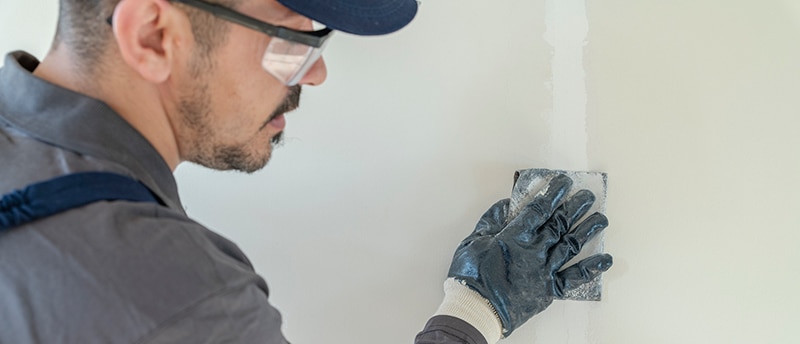
Joint compound behaves differently at altitude. The lower air pressure and extremely low humidity cause compound to dry faster than at sea level — sometimes skinning over within minutes of application. This rapid drying prevents proper bonding, makes smooth finishing difficult, and produces a weaker repair that is prone to cracking and delamination. Professional contractors in [Aurora](/locations/colorado/aurora) and [Lakewood](/locations/colorado/lakewood) adapt by using slow-setting compounds, working with smaller batches, misting surfaces before application, and scheduling finish work during the early morning when temperatures and sun exposure are lowest. These adjustments are essential for achieving repairs that perform well in the demanding mountain environment.
Thermal Cycling Damage in Sun-Facing Walls
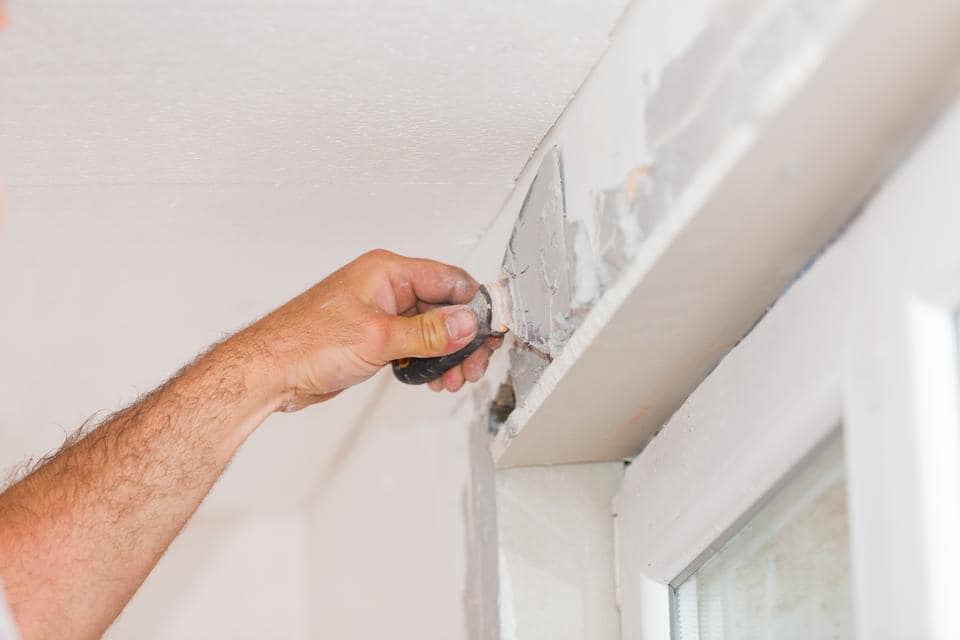
South- and west-facing walls in mountain homes absorb intense solar radiation during the day, reaching surface temperatures far above the ambient air temperature. When the sun drops behind the mountains, these walls cool rapidly, sometimes by 50 degrees or more within an hour. This extreme thermal cycling produces recurring cracks, especially at window openings where the temperature differential between the sun-heated wall and the cooler window frame concentrates stress. Our [drywall finishing and texturing](/services/drywall-finishing-texturing) team uses flexible repair systems on sun-facing walls that accommodate daily thermal movement without cracking.
Insulation and Vapor Barrier Considerations
The extreme temperature differentials in mountain environments make proper insulation and vapor barrier placement critical for drywall longevity. Inadequate insulation allows cold exterior temperatures to reach the interior drywall surface, creating condensation that damages the panel from behind. An improperly placed vapor barrier can trap moisture inside the wall cavity during temperature reversals. In mountain construction, the vapor barrier should always be on the warm side of the insulation — the interior in a heating-dominant climate. Homeowners in [Fort Collins](/locations/colorado/fort-collins) and [Boulder](/locations/colorado/boulder) upgrading their homes should have the wall assembly evaluated holistically before making changes to insulation, vapor barriers, or drywall to ensure the complete system functions correctly.
Maintaining Drywall in Mountain Homes Year-Round
Living with drywall at altitude requires ongoing attention to indoor environment management. Run humidifiers during the heating season to maintain 30 to 40 percent relative humidity. Use UV-resistant primer and paint formulations on walls exposed to intense sunlight through windows. Inspect high-stress areas — around windows, at ceiling-to-wall joints, and at the junction between sun-facing and shaded walls — annually for developing cracks. Address small cracks promptly before they widen. Keep interior temperatures as consistent as possible, avoiding dramatic thermostat swings between day and night. These maintenance practices extend the life of your drywall, reduce repair frequency, and preserve the interior finishes that make your mountain home comfortable and beautiful.
Need Professional Drywall Help?
Contact Fast Fix Drywall Repair for a free estimate on your next project.
Get a Free QuoteLooking for drywall repair services in your area? Browse our full service directory by city.