Ceiling cracks in older homes range from harmless cosmetic issues to signs of structural concern. Identifying the cause determines the right repair approach.
Why Older Homes Develop Ceiling Cracks
Ceiling cracks are far more common in older homes than in newer construction, and the reasons are both structural and material-related. Older homes were built with different framing techniques, often using smaller lumber with wider spacing between joists. Many were originally finished with plaster over wood lath rather than drywall, and homes that have been converted to drywall ceilings may have installation issues from the conversion process. Decades of seasonal expansion and contraction, foundation settling, roof loads from snow and wind, and the cumulative effects of vibration from foot traffic on floors above all contribute to crack formation. Homeowners in [Hartford](/locations/connecticut/hartford) and [New Haven](/locations/connecticut/new-haven) own some of the oldest housing stock in the country, and ceiling cracks are among the most common concerns they bring to drywall professionals.
Cosmetic Cracks vs. Structural Warning Signs
The critical first step is determining whether a ceiling crack is cosmetic or structural. Cosmetic cracks are typically hairline width, follow tape joints or run along the edges where the ceiling meets the walls, and do not change significantly over time. These are caused by normal building movement, thermal cycling, and the natural aging of joint compound and tape. Structural cracks, on the other hand, tend to be wider — you can often slip a coin or fingertip into them — and may run at angles that do not correspond to tape joint locations. They may be accompanied by visible sagging of the ceiling surface, doors that stick or will not close properly, or cracks that mirror patterns on the floor above. If you notice ceiling cracks paired with wall cracks in a stair-step pattern, that strongly suggests foundation movement that warrants professional structural evaluation.
Truss Uplift and Seasonal Ceiling Cracks
One specific cause of ceiling cracks in certain home types is truss uplift. In homes with roof trusses — rather than conventional rafter-and-joist framing — the bottom chord of the truss can bow upward during winter months when the upper chords are exposed to cold temperatures and the lower chord remains warm inside the insulated ceiling. This upward bowing pulls the center of the ceiling away from the interior partition walls, creating cracks along the wall-to-ceiling joint. These cracks open in winter and close in summer, which can be alarming for homeowners who do not understand the mechanism. In [Stamford](/locations/connecticut/stamford) and [Bridgeport](/locations/connecticut/bridgeport), where cold winters are common, truss uplift cracks appear regularly in homes built with truss framing. The repair involves using flexible caulk or crown molding rather than rigid compound, which will simply crack again.
Repairing Cosmetic Ceiling Cracks
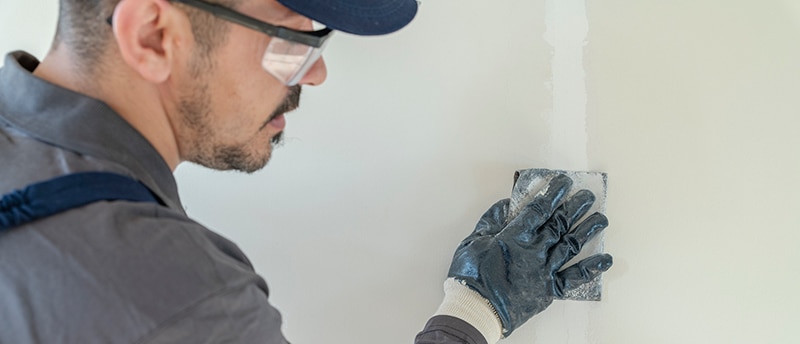
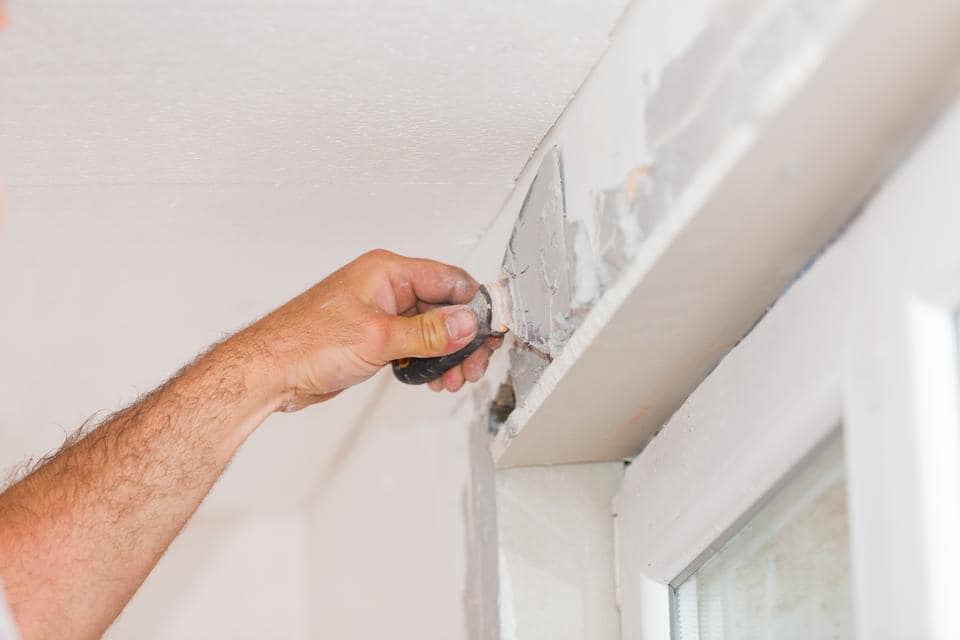
For straightforward cosmetic cracks, the standard repair technique involves cutting out the cracked tape joint, applying fresh tape and compound, and refinishing the surface. Start by scoring along both sides of the crack with a utility knife and removing the old tape and any loose compound. Clean the exposed surface and apply a bed coat of compound. Embed new tape — fiberglass mesh tape is often preferred for ceiling repairs because it resists re-cracking better than paper tape — and apply a thin covering coat. After drying, sand smooth and apply a second coat, feathering it out at least six inches beyond the tape edges. Our [drywall finishing and texturing](/services/drywall-finishing-texturing) team uses specialized overhead techniques to achieve invisible ceiling repairs that blend perfectly with the existing surface.
When Ceiling Cracks Require More Than a Surface Fix
Some ceiling cracks require more than just re-taping. If the ceiling panels have pulled away from the joists — a condition visible as sagging or waviness in the surface — the panels need to be re-secured with drywall screws driven into the joists before the joints are re-taped. If the original ceiling was hung with nails, adding screws between the existing nails pulls the panels tight against the framing and prevents further movement. In severe cases where panels have cracked through the gypsum core rather than just at the tape joints, section replacement is necessary. For ceilings that show widespread cracking and sagging, especially in older homes in [Norwalk](/locations/connecticut/norwalk) and surrounding areas where original plaster ceilings were overlaid with drywall, removing the failing layer and starting fresh sometimes delivers a better result than attempting multiple repairs.
Preventing Future Ceiling Cracks
While you cannot completely prevent ceiling cracks in an older home, several strategies minimize their occurrence. Maintaining consistent indoor temperature and humidity levels reduces the thermal cycling that stresses joints. Ensuring that attic insulation is adequate and evenly distributed reduces temperature differentials that contribute to truss uplift and panel stress. If your home is prone to recurring cracks at specific joints, using flexible caulk instead of rigid joint compound at those locations allows the joint to move without cracking. Controlling vibration — by adding underlayment to floors above, for example — reduces the transmitted energy that loosens fasteners and stresses tape joints. These measures will not eliminate all cracking, but they significantly extend the time between repairs and reduce the severity of cracks that do develop.
Need Professional Drywall Help?
Contact Fast Fix Drywall Repair for a free estimate on your next project.
Get a Free QuoteLooking for drywall repair services in your area? Browse our full service directory by city.