Skim coating transforms damaged, textured, or imperfect drywall into a smooth, flawless surface. Whether you are renovating or repairing, this guide covers the complete process.
What Is Skim Coating and When Do You Need It?
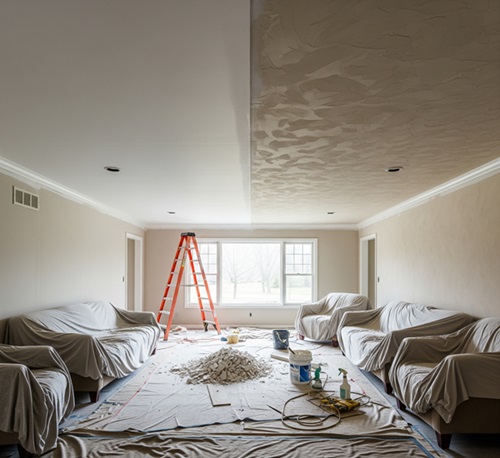
Skim coating is the process of applying one or more very thin layers of joint compound over an entire wall or ceiling surface to create a smooth, uniform finish. It is not the same as mudding joints or patching holes — skim coating covers the full surface, including areas that appear undamaged. The technique is used in several common scenarios: removing wallpaper and smoothing the underlying surface, covering light texture to create a modern smooth finish, rehabilitating walls with widespread minor damage (nail holes, scratches, dings), and achieving a level 5 drywall finish for areas with critical lighting. In [Columbus](/locations/ohio/columbus) and [Cleveland](/locations/ohio/cleveland), skim coating is frequently requested during home renovations where homeowners are updating older homes with textured walls to a contemporary smooth aesthetic.
Choosing the Right Compound for Skim Coating
The compound you choose has a significant impact on the quality and ease of the skim coat. Pre-mixed all-purpose joint compound is the most common choice for skim coating because it is easy to work with, has a long open time (the period during which it remains workable), and sands smoothly. For large areas, purchase it in five-gallon buckets for the best value. Some professionals prefer topping compound, which is lighter and easier to sand but has less adhesion — it works well over properly prepared surfaces but may peel over glossy paint or damaged paper. For surfaces that are problematic — damaged paper, residual wallpaper adhesive, glossy paint — use setting-type compound for the first coat. It bonds aggressively to almost anything and will not shrink or bubble. Mix it slightly thinner than the package directions suggest for skim coating applications.
Surface Preparation Before Skim Coating
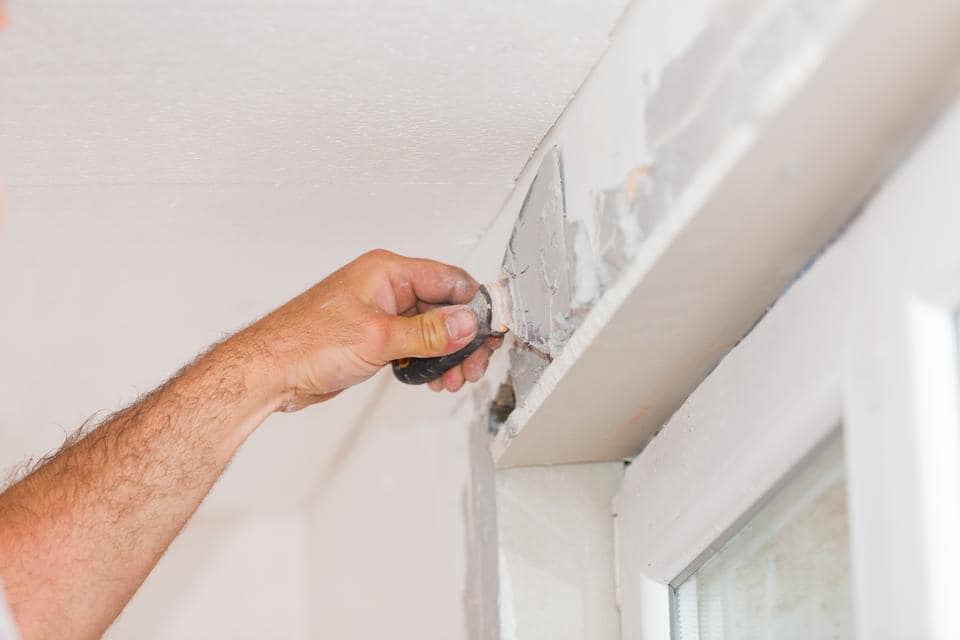
Preparation determines whether your skim coat bonds properly and finishes smoothly. Start by removing any loose paint, wallpaper, or flaking compound. Fill large holes and cracks with compound and allow them to dry before skim coating — the skim coat is too thin to fill defects larger than a scratch. Sand any ridges or high spots, and remove dust with a damp sponge. If the surface has glossy paint, sand it lightly with 120-grit sandpaper or apply a bonding primer to give the compound something to grip. For walls where wallpaper has been removed, wash off any remaining adhesive with a solution of warm water and wallpaper remover — adhesive residue will cause the compound to bubble and fail to bond. Homeowners in [Cincinnati](/locations/ohio/cincinnati) renovating Victorian-era homes often encounter multiple layers of wallpaper and paint, making thorough preparation essential.
Applying the First Skim Coat
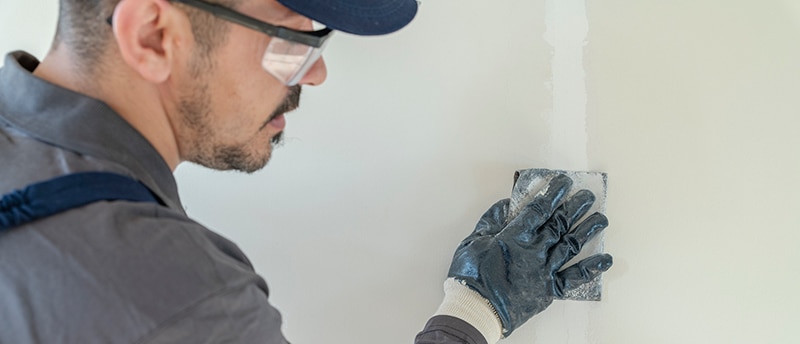
Load a 12-inch or wider drywall knife with a thin layer of compound and apply it to the wall in smooth, overlapping strokes. Work in sections of about four feet wide, applying compound from top to bottom. The goal is an even layer about the thickness of a credit card — thin enough to see the wall through it in places, but thick enough to fill minor imperfections. Do not overwork the compound once it begins to set, as this will leave drag marks and ridges. Speed is more important than perfection on the first coat — you will sand and apply a second coat, so minor tool marks are acceptable. For large areas, a paint roller can be used to apply compound quickly: roll it on, then immediately smooth it with the knife. This technique covers area much faster than knife-only application and is the preferred method for whole-room skim coats.
Sanding and Applying the Second Coat
After the first coat has dried completely (typically 24 hours in moderate conditions, though homes in [Dayton](/locations/ohio/dayton) may need longer during humid Ohio summers), sand the surface lightly with 150-grit sandpaper on a pole sander. The goal is to knock down ridges and high spots, not to sand down to bare drywall. Wipe the dust with a barely damp sponge or microfiber cloth. Apply the second coat in the same manner as the first, but work your strokes perpendicular to the first coat — if the first coat was applied vertically, apply the second horizontally. This cross-hatching pattern helps fill any low spots or voids left by the first coat. The second coat should be even thinner than the first. Two coats are sufficient for most applications; a third coat is reserved for level 5 finishes or surfaces that will receive high-gloss paint.
Final Sanding and Inspection
Final sanding is what separates a good skim coat from a great one. Use 180 to 220-grit sandpaper on a pole sander and work methodically across the entire surface. To check your work, hold a bright work light (a shop light or high-lumen flashlight) at a shallow angle against the wall. This raking light reveals every imperfection — bumps, ridges, scratches, and low spots will cast shadows. Circle any imperfections with a pencil, touch them up with a thin spot application of compound, let dry, and sand again. Repeat until the surface is uniformly smooth under raking light. Dust the walls with a microfiber cloth or vacuum with a brush attachment before priming. Our [drywall finishing and texturing](/services/drywall-finishing-texturing) team in [Toledo](/locations/ohio/toledo) and [Akron](/locations/ohio/akron) uses this raking-light inspection method on every job.
Priming and Painting After a Skim Coat
A skim-coated surface is highly porous and will absorb paint unevenly if not primed properly. Apply a high-quality drywall primer (PVA primer) over the entire skim-coated area. This seals the compound and creates a uniform surface for paint to adhere to. After the primer dries, lightly sand with 220-grit sandpaper to remove any nubs or raised fibers, then dust and apply your finish paint. For best results, use a roller with a 3/8-inch nap and apply two full coats of paint. Skim-coated walls look exceptionally smooth under paint and provide a premium finish that adds value to any home.
Need Professional Drywall Help?
Contact Fast Fix Drywall Repair for a free estimate on your next project.
Get a Free QuoteLooking for drywall repair services in your area? Browse our full service directory by city.