DIY drywall repair can save money on small fixes, but professional contractors deliver superior results on complex projects. Here is how to decide.
The DIY Temptation: When Small Fixes Make Sense
Drywall repair is one of those home improvement tasks that looks simple on the surface. Patch kits are available at every hardware store, tutorial videos are everywhere, and for truly minor damage — a small nail hole, a doorknob dent, or a hairline crack — a DIY approach is entirely reasonable. These small repairs require minimal tools, inexpensive materials, and basic skills that most homeowners can learn in an afternoon. The key is honest self-assessment about the scope of the damage and your skill level. A nail hole patch is fundamentally different from repairing a large section of water-damaged wall, and the gap in difficulty is much wider than most people expect. Homeowners in [Richmond](/locations/virginia/richmond) and [Virginia Beach](/locations/virginia/virginia-beach) often start with small DIY repairs and gradually develop the skills needed for slightly more complex projects.
Where DIY Drywall Repair Falls Short
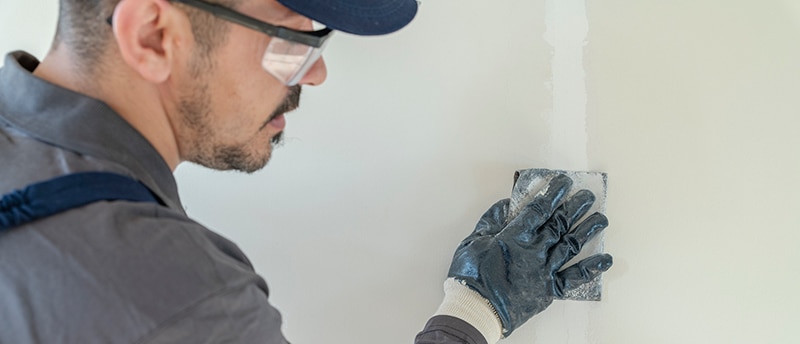
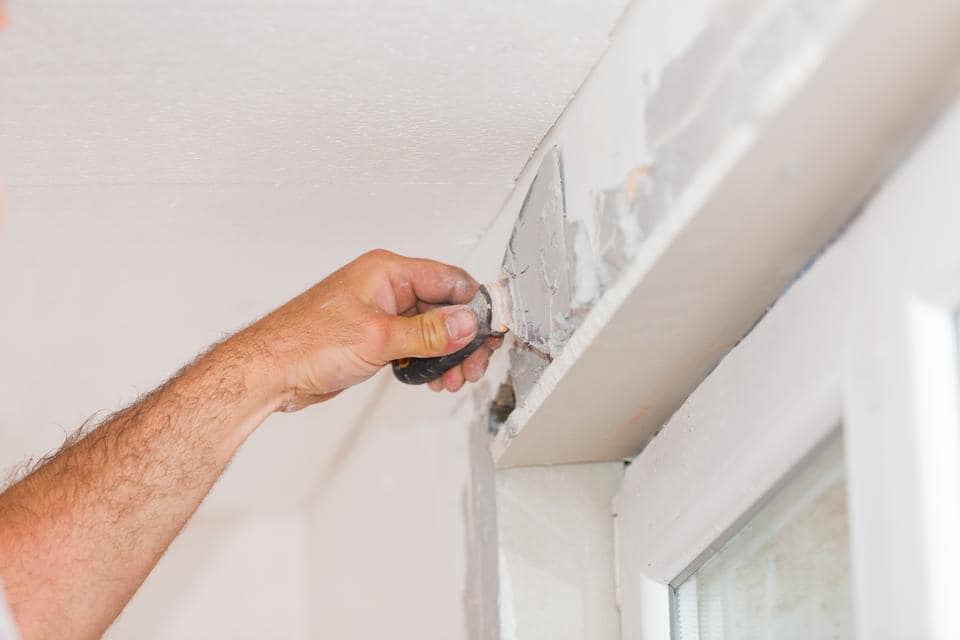
The trouble with DIY drywall repair starts when the project moves beyond simple patching. Finishing drywall — the process of applying, sanding, and smoothing joint compound to create an invisible repair — is a skill that takes professional contractors years to master. The most common DIY failures include visible patch outlines, rough texture, compound ridges, and bubbled tape. These flaws are often invisible under work lights but glaringly obvious once the wall is painted and illuminated by natural light. Texture matching presents another significant challenge. If your walls have knockdown, orange peel, or skip trowel texture, replicating that pattern on a repaired area requires specialized tools, proper technique, and an experienced eye. A mismatched texture stands out even more than a visible seam, and fixing a bad texture match often means redoing the entire repair.
The True Cost Comparison
At first glance, DIY always looks cheaper. A patch kit costs a few dollars, a bucket of joint compound is affordable, and you already own a putty knife. But the full cost equation includes factors that are easy to overlook. Sanding dust requires preparation and cleanup. You may need multiple trips to the hardware store as you discover you are missing tools or supplies. The time investment for someone without experience can be three to five times longer than a professional would take. And if the repair does not turn out well, you face the cost of having a professional redo it — often at a higher price than the original repair would have been, because now they have to remove your work before starting. For anything beyond small patches, getting a professional quote before starting a DIY attempt gives you a realistic baseline for comparison.
Projects That Demand Professional Expertise
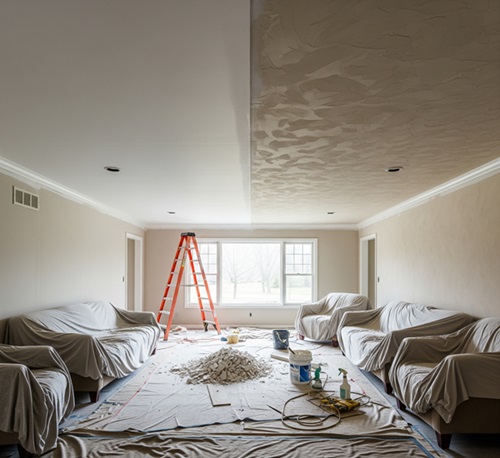
Certain drywall projects should almost never be attempted as DIY. Water damage repair requires identifying and correcting the moisture source, checking for mold, and ensuring the wall cavity is properly dried before closing it up — mistakes here can lead to serious health hazards. Ceiling repairs involve working overhead with heavy materials, and improperly secured ceiling panels can fall. Any repair involving fire-rated assemblies, such as garage walls separating the garage from living spaces, must meet building code requirements that most homeowners are not familiar with. Large-area repairs requiring extensive taping and finishing benefit enormously from professional speed and skill. Our [drywall repair](/services/drywall-repair) specialists in [Norfolk](/locations/virginia/norfolk) and [Chesapeake](/locations/virginia/chesapeake) handle these complex repairs daily, delivering results that would be extremely difficult to replicate without professional training and equipment.
Quality Differences You Will Notice
The difference between amateur and professional drywall work becomes apparent the moment paint goes on the wall. Professional contractors achieve Level 4 and Level 5 finishes that create perfectly smooth, uniform surfaces. They understand how to feather compound over wide margins so transitions are invisible, how to embed tape without bubbles or wrinkles, and how to sand without gouging. They also know how to handle corners, electrical boxes, and transitions between different materials — all areas where DIY repairs commonly fail. For homeowners in [Arlington](/locations/virginia/arlington) and surrounding areas who are preparing a home for sale, the quality of drywall finishing directly affects perceived home value. Buyers notice rough patches, mismatched textures, and amateur repair work, and it colors their impression of how well the entire home has been maintained.
Making the Right Decision for Your Situation
The decision between DIY and professional drywall repair comes down to three factors: the size and complexity of the damage, your skill level and available time, and how important the final appearance is in the affected area. A small patch in a closet or utility room is a perfectly reasonable DIY project. A visible repair in your living room, a water-damaged bathroom wall, or any fire-rated assembly is better left to professionals. When in doubt, most reputable drywall contractors offer free estimates, which gives you the information you need to make a cost-benefit comparison. There is no shame in hiring a professional for work that requires specialized skills — it is a practical decision that usually saves money in the long run by getting the job done right the first time.
Need Professional Drywall Help?
Contact Fast Fix Drywall Repair for a free estimate on your next project.
Get a Free QuoteLooking for drywall repair services in your area? Browse our full service directory by city.