Foundation settling is one of the most common reasons homeowners discover cracks in their drywall. Understanding the root cause is the first step toward a lasting repair.
Why Foundation Movement Leads to Drywall Damage
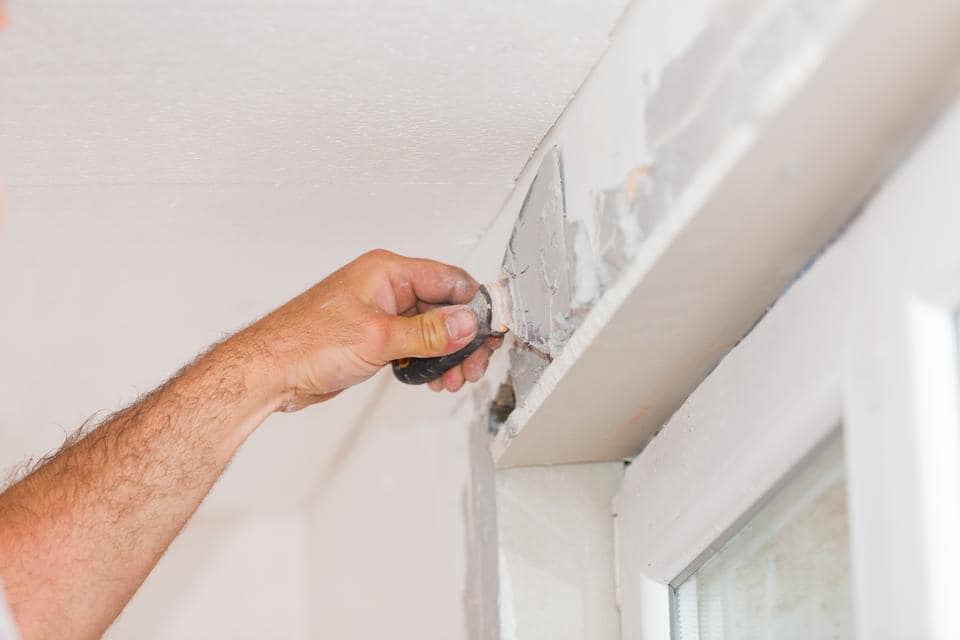
Every home settles over time. As the soil beneath a foundation shifts, compresses, or expands due to moisture changes, the concrete slab or pier-and-beam structure moves with it. Even a fraction of an inch of movement transfers enormous stress into the wooden framing above, and that stress has to go somewhere. Drywall, being a rigid but brittle material, is usually the first thing to show visible signs of that movement. Cracks typically appear at the weakest points in a wall — around door frames, window headers, and where walls meet ceilings. In Texas, where expansive clay soils dominate much of the landscape, this problem is especially prevalent. Homeowners in [Houston](/locations/texas/houston) and [Dallas](/locations/texas/dallas) frequently deal with seasonal soil expansion that places ongoing stress on their foundations and, by extension, their interior walls.
Identifying Settlement Cracks vs. Normal Shrinkage
Not every crack in your drywall signals a foundation problem. Hairline cracks that appear within the first year or two after construction are usually the result of lumber shrinkage and joint compound drying — they are cosmetic and easy to fix. Settlement cracks, on the other hand, tend to be diagonal, wider than a credit card edge, and concentrated around structural openings like doors and windows. They may also reappear after being patched, which is a strong indicator that the underlying movement has not stopped. If you notice doors that no longer latch properly or floors that feel uneven, those are additional clues that the cracking is structural rather than superficial. A qualified contractor can help you distinguish between the two and recommend the right course of action.
The Role of Soil Conditions in Texas Drywall Damage
Texas sits on some of the most problematic soil in the country for residential foundations. The Blackland Prairie region, which stretches from [San Antonio](/locations/texas/san-antonio) through [Fort Worth](/locations/texas/fort-worth) and beyond, is composed largely of expansive clay that swells dramatically when wet and shrinks when dry. This constant cycle of expansion and contraction places repetitive stress on foundations, causing them to heave, settle, or crack over time. During prolonged droughts, the soil pulls away from the foundation perimeter, removing lateral support. When heavy rains return, the sudden re-expansion can push the foundation in the opposite direction. Each cycle creates new stress fractures in the framing and drywall above. Maintaining consistent soil moisture around your foundation — through proper drainage and soaker hoses during dry spells — is one of the most effective preventive measures homeowners can take.
Step-by-Step Repair for Foundation-Related Drywall Cracks
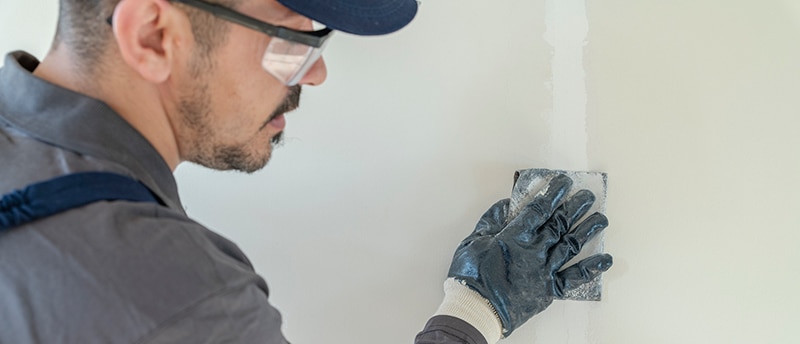
Once the foundation has been stabilized (or if movement has stopped naturally), repairing the drywall cracks themselves is straightforward but requires proper technique. Start by widening the crack slightly with a utility knife to create a V-groove that gives the compound something to grip. Remove any loose material and dust. Apply a thin layer of setting-type joint compound into the groove, then embed paper tape or fiberglass mesh tape over the crack. Allow the first coat to dry completely before applying a second, wider coat that feathers out several inches on each side. A third finishing coat, sanded smooth, completes the repair. For cracks that have recurred multiple times, consider using flexible joint compound or elastomeric caulk in the initial fill layer — these products can absorb minor future movement without re-cracking. Our [professional drywall repair](/services/drywall-repair) team uses these advanced techniques as standard practice to ensure long-lasting results.
When Foundation Repair Should Come First
Patching drywall cracks without addressing the foundation is like painting over rust — the problem will return. If cracks are wider than a quarter inch, if they are growing over time, or if you notice multiple cracks appearing simultaneously in different rooms, you should have the foundation evaluated before investing in cosmetic repairs. Foundation repair methods vary depending on the soil type and severity of the movement. Pressed pilings, drilled piers, and helical piers are common solutions in the [Austin](/locations/texas/austin) area. Once the foundation is stabilized, you can proceed with drywall repairs confident that the cracks will not reappear. Many foundation contractors offer transferable warranties, which can also increase your home's resale value.
Preventing Future Drywall Cracks from Soil Movement
Prevention is always more affordable than repair. Start with proper drainage: make sure gutters direct water at least four feet away from the foundation, and grade the soil so it slopes away from the house on all sides. In drought-prone areas, a soaker hose placed 12 to 18 inches from the foundation can maintain consistent moisture levels in the clay. Inside the home, monitor humidity levels and use a dehumidifier in crawl spaces or basements if applicable. During renovations, ask your contractor about using flexible corner beads and control joints in long wall runs — these allow minor movement without visible cracking. Finally, keep large trees at a safe distance from the foundation, as their root systems can extract enormous amounts of moisture from the soil and accelerate differential settling.
Getting Professional Help for Structural Drywall Cracks
If you are unsure whether your drywall cracks are cosmetic or structural, a professional assessment is the safest path forward. An experienced drywall contractor can evaluate the pattern, width, and location of cracks to determine the likely cause and recommend the appropriate repair strategy. In many cases, a combined approach — foundation stabilization followed by comprehensive drywall restoration — delivers the best long-term outcome. Homeowners across Texas, from [Dallas](/locations/texas/dallas) to [San Antonio](/locations/texas/san-antonio), trust Fast Fix Drywall Repair to diagnose and resolve crack damage caused by foundation movement. Contact us for a free inspection and estimate tailored to your home's specific conditions.
Need Professional Drywall Help?
Contact Fast Fix Drywall Repair for a free estimate on your next project.
Get a Free QuoteLooking for drywall repair services in your area? Browse our full service directory by city.