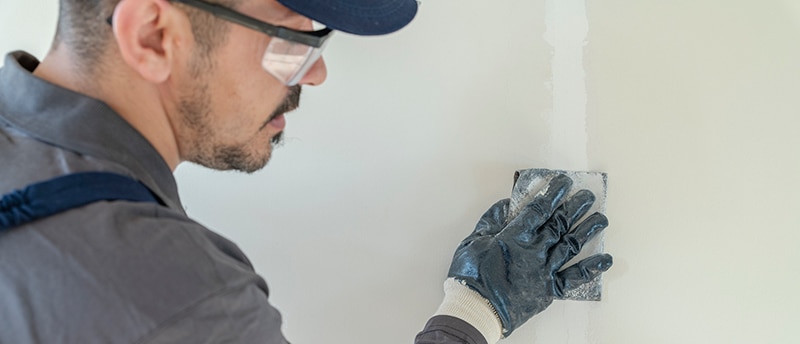
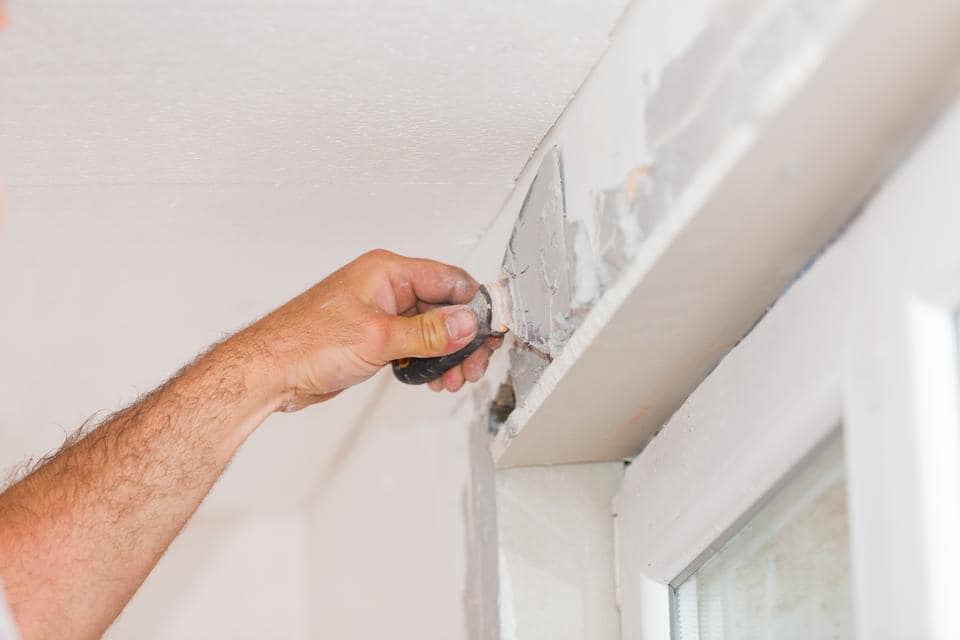
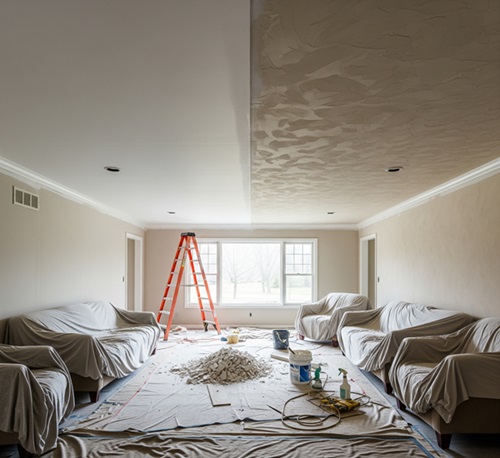
Dry desert climates create unique challenges for drywall repair. Rapid compound drying, extreme temperature swings, and low humidity demand adapted techniques.
How Desert Conditions Affect Drywall Differently
Homeowners in arid climates face a different set of drywall challenges than those in humid regions. While moisture damage and mold are less common, dry climates introduce their own problems. Extremely low humidity causes drywall to lose internal moisture, making it more brittle and prone to cracking. Joint compound dries too quickly during application, preventing proper bonding and smooth finishing. Wide daily temperature swings — sometimes 40 degrees or more between daytime highs and nighttime lows — create aggressive expansion and contraction cycles that stress joints and fasteners year-round. Homeowners in [Albuquerque](/locations/new-mexico/albuquerque) and [Santa Fe](/locations/new-mexico/santa-fe) experience all of these factors simultaneously, creating repair challenges that require techniques adapted specifically for arid conditions.
Rapid Compound Drying: The Biggest Repair Challenge
In humid climates, joint compound dries in hours. In the arid Southwest, compound can begin skinning over within minutes, making smooth finishing extremely difficult. When compound dries too fast, it does not bond properly to the underlying surface, does not embed tape fully, and cracks as it shrinks rapidly. The result is repairs that look rough and fail prematurely. Professionals working in dry conditions adapt their technique in several ways: they work with smaller batches of compound to use it before it dries, they mist the wall surface with water before applying compound to slow absorption, they use slow-setting compounds specifically formulated for hot and dry conditions, and they avoid working in direct sunlight or on exterior walls that have been heated by afternoon sun. These adjustments make the difference between a repair that lasts and one that fails within weeks.
Cracking from Extreme Temperature Cycles
The dramatic temperature swings common in [Las Cruces](/locations/new-mexico/las-cruces) and [Rio Rancho](/locations/new-mexico/rio-rancho) create a relentless expansion-contraction cycle that is particularly hard on drywall joints. During the day, sun-heated exterior walls expand significantly. At night, rapid cooling contracts them back. This daily cycling stresses every joint, fastener, and connection in the wall assembly. Over months and years, cracks develop at the weakest points — typically tape joints, corners, and areas around windows that receive direct sun exposure. Interior walls attached to sun-facing exterior walls often show sympathy cracking from the transmitted stress. Repairs in these conditions must account for ongoing movement by using flexible taping systems and elastomeric compounds that can absorb slight movement without fracturing.
Adapted Repair Techniques for Dry Conditions
Successful drywall repair in arid climates requires adapting standard techniques to the environment. Pre-wet all surfaces before applying compound — a light mist from a spray bottle is sufficient. Use setting-type compound rather than pre-mixed for better adhesion and strength. Work during cooler parts of the day — early morning is ideal — and avoid direct sun exposure on the repair area during application and drying. Apply compound in thinner coats than you would in humid conditions, as thicker applications are more prone to surface cracking from rapid drying. Consider using fiberglass mesh tape exclusively, as it provides superior crack resistance compared to paper tape in environments with constant thermal stress. Our [drywall finishing and texturing](/services/drywall-finishing-texturing) team adjusts their materials and workflow for every climate zone we service.
Stucco-to-Drywall Transitions in Southwest Homes
Many homes in the Southwest use exterior stucco construction, and the transition between stucco exterior walls and interior drywall finishing creates specific stress points. The stucco wall assembly and the interior drywall move at different rates as temperatures change, creating stress at corners and intersections where the two systems meet. Cracks at these transition points are common and often recur after standard repairs. The most effective solution is to use control joints — intentional separation lines — at these transitions, filled with flexible caulk rather than rigid compound. This allows the two systems to move independently without transferring stress across the joint. Homeowners in [Roswell](/locations/new-mexico/roswell) and throughout the state should look for this specific crack pattern when evaluating their homes.
Long-Term Protection for Drywall in Dry Climates
Protecting drywall in arid conditions is largely about maintaining adequate indoor humidity and reducing thermal stress. Running a whole-house humidifier during the driest months keeps indoor humidity in the 30 to 40 percent range, which prevents the drywall from becoming overly brittle. Adequate insulation in exterior walls reduces the temperature differential between the wall surface and the room air, decreasing thermal stress on the drywall. Window coverings on sun-facing walls reduce solar heat gain and the associated thermal cycling. Applying a flexible primer formulated for dry climates provides a base coat that accommodates slight expansion and contraction without cracking. These measures collectively extend the life of drywall repairs and reduce the frequency of maintenance in challenging desert environments.
Need Professional Drywall Help?
Contact Fast Fix Drywall Repair for a free estimate on your next project.
Get a Free QuoteLooking for drywall repair services in your area? Browse our full service directory by city.