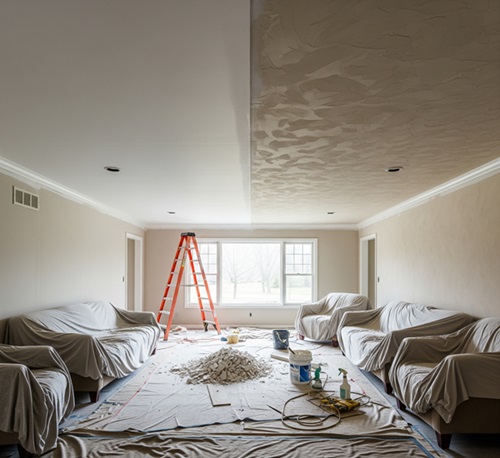
Garage conversions require upgrading existing drywall to meet residential living space standards for fire rating, insulation, and finish quality.
Why Existing Garage Drywall Usually Is Not Enough
Most attached garages have minimal drywall — typically a single layer of Type X on the wall shared with the house for fire separation, and often no drywall on the remaining walls or ceiling. Converting this space to habitable living area requires bringing all surfaces up to residential standards. The exterior walls need insulation and drywall. The ceiling needs insulation and drywall rated for the application above. Any remaining fire-separation walls must maintain their rating while also being finished to a residential quality level. Electrical, plumbing, and HVAC modifications must be completed and inspected before the walls are closed. Homeowners in [Milwaukee](/locations/wisconsin/milwaukee) and [Madison](/locations/wisconsin/madison) considering garage conversions should understand that the drywall phase is one of the most significant components of the project.
Fire Code Requirements for Converted Garages
Even after conversion to living space, the wall that originally separated the garage from the house typically must maintain its fire rating — building codes do not automatically waive this requirement just because the garage use has changed. The ceiling assembly may also need to maintain or achieve a fire rating depending on what is above the space. All fire-rated assemblies must use the correct drywall type and thickness, have all joints properly taped and finished, and maintain fire-stopping at all penetrations. If the conversion includes a new heating system or water heater in the space, additional fire separation requirements may apply around that equipment. Our [drywall installation](/services/drywall-installation) team ensures every garage conversion meets fire code requirements.
Insulation and Vapor Barrier Integration
Garage walls and ceilings typically have no insulation, and converting to living space requires adding insulation that meets current energy code requirements. The insulation type and R-value depend on your climate zone — homes in [Green Bay](/locations/wisconsin/green-bay) and [Kenosha](/locations/wisconsin/kenosha) require significantly higher R-values than milder climates. Proper vapor barrier placement is critical in cold climates to prevent condensation inside the wall cavity. The drywall serves as the interior finish over this insulation assembly and must be installed tightly against the vapor barrier with all seams sealed to maintain the air barrier. Any gaps or poorly sealed joints compromise both the thermal performance and the moisture management of the wall system.
Achieving Residential-Quality Finish in a Former Garage
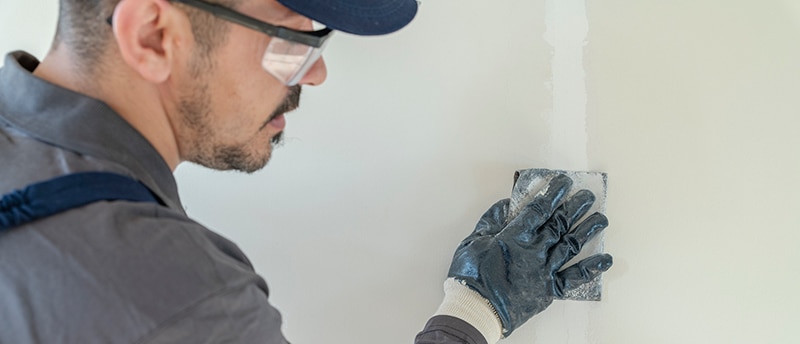
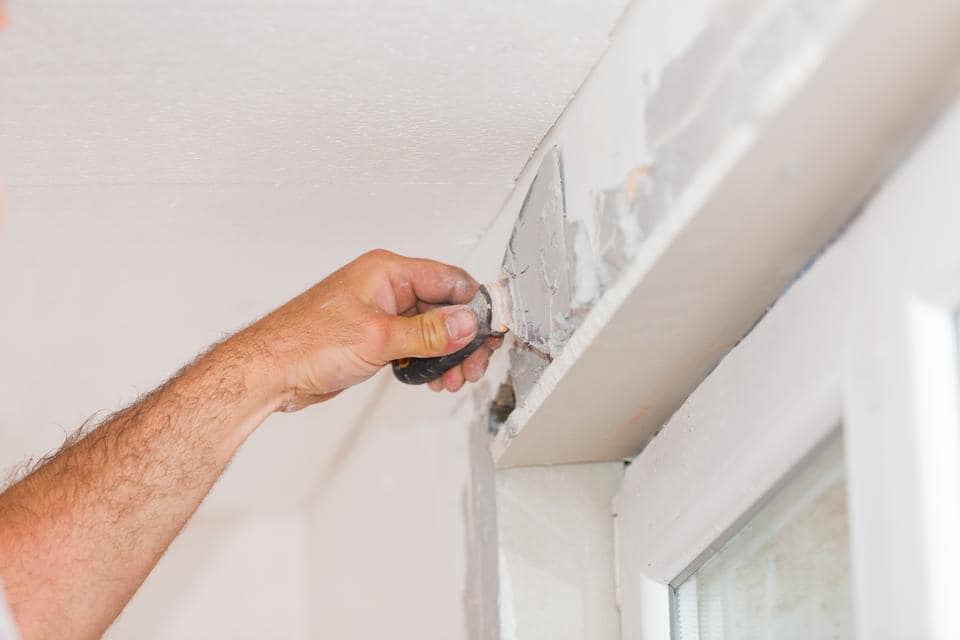
The finish quality expected in living space is significantly higher than what is acceptable in a garage. Garage walls are typically finished to Level 2 or Level 3 — adequate for the utilitarian appearance expected in a garage but not for a bedroom, office, or living area. Converting to living space means finishing all drywall surfaces to at least Level 4, with Level 5 recommended for rooms with critical lighting or where high-quality paint finishes will be used. This involves additional compound coats, thorough sanding, and careful attention to the flatness and uniformity of every surface. The transition between existing finished walls and new drywall must be seamless.
Addressing the Garage Floor and Wall Base Transition
Garage floors are typically lower than the adjacent living space floor level, and the concrete floor surface slopes toward the garage door for drainage. Conversion projects usually involve raising and leveling the floor, which affects how the drywall meets the floor at the base of the walls. The drywall should terminate above the finished floor surface — never in direct contact with concrete, which wicks moisture — with baseboard trim covering the gap. If the floor was raised using a framed platform, the drywall installs normally. If a concrete overlay or self-leveling compound was used, careful attention to the base detail prevents moisture migration from the concrete into the drywall.
Permits, Inspections, and Resale Considerations
Garage conversions require building permits in virtually all jurisdictions, and unpermitted conversions can create serious problems during home sales and insurance claims. The permitting process ensures that all aspects of the conversion — structural modifications, electrical, plumbing, HVAC, insulation, and drywall — meet current building codes. Inspections at key stages verify compliance before the work is concealed behind finished walls. Homeowners in [Racine](/locations/wisconsin/racine) and throughout the region should work with licensed contractors who pull proper permits and schedule required inspections. A properly permitted conversion adds legitimate square footage to the home's value, while an unpermitted conversion may need to be disclosed and can reduce rather than increase the home's marketability.
Need Professional Drywall Help?
Contact Fast Fix Drywall Repair for a free estimate on your next project.
Get a Free QuoteLooking for drywall repair services in your area? Browse our full service directory by city.