Picture hangers, wall anchors, and TV mounts leave behind a trail of drywall damage. This guide walks through clean repairs for everything from pinholes to torn-out toggle bolts.
Why Picture and Anchor Damage Is So Common
Almost every drywall repair call eventually includes a request to fill the dozens of pinholes, anchor holes, and gouges left behind from years of decorating. Picture frames get moved during seasonal changes, gallery walls are reorganized, and large mirrors or TVs come down when furniture is rearranged. Each hanger, screw, or anchor leaves its own signature damage in the drywall — and what looks like a quick fill job often becomes a more involved repair once you start digging into the wall. The trouble is that not all holes are created equal. A picture nail leaves a tiny pinhole, but a plastic expansion anchor crushes the gypsum core in a half-inch radius around the opening. A toggle bolt creates a 3/4 inch hole behind a 1/4 inch screw face — pulling it out without care can rip a fist-sized chunk of paper and core out with it. Whether you're repainting a rental in <a href="/locations/california/san-francisco">San Francisco</a> or refreshing a family home in <a href="/locations/north-carolina/charlotte">Charlotte</a>, our <a href="/services/drywall-repair">drywall repair</a> team handles these everyday wall blemishes quickly and invisibly.
Categorizing the Damage Before You Patch
Before mixing any compound, walk the room and sort the damage into four categories. Each one calls for a different repair approach. **Pinholes (under 1/8 inch).** Standard picture nails and small brads. These can be filled with lightweight spackle in a single pass. **Small holes (1/8 to 1/2 inch).** Screw holes, drywall anchor remnants, and minor gouges. These need spackle or joint compound, with light sanding and spot priming before paint. **Medium holes (1/2 to 2 inches).** Plastic expansion anchors, self-drilling anchors, and small toggle bolts. The drywall core around these openings is usually crushed and needs to be reinforced before filling. **Large holes (2 inches and up).** Toggle bolts pulled out under load, heavy mirror anchors, or TV mount damage. These require a backed patch — California patch, mesh-and-mud patch, or square cut-and-replace. Keeping the categories separate helps you batch the work. Fill all the small holes during the first pass while you wait for larger patches to set up. Homeowners in <a href="/locations/texas/dallas">Dallas</a> and <a href="/locations/georgia/atlanta">Atlanta</a> often save a full day by working in this order.
Removing Anchors Without Making the Damage Worse
Half the battle with anchor repairs is getting the anchor out cleanly. Yanking a toggle bolt straight out of a wall can tear paper and crush the core, turning a 1/2 inch hole into a 3 inch repair. **Plastic expansion anchors.** Unscrew the screw, then thread a slightly larger screw partway into the anchor and use pliers to pull it straight out. If it resists, score around the anchor with a utility knife to break the paper seal, then pull again. **Self-drilling threaded anchors.** Use a screwdriver to unscrew the entire anchor counterclockwise — they back out the same way they went in. Never pry these out with pliers or you'll tear a large patch of paper. **Metal toggle bolts.** The wings fall inside the wall when you unscrew the bolt. Push the bolt sleeve gently into the wall cavity rather than pulling it out — the resulting clean hole is much easier to patch. **Molly bolts (hollow wall anchors).** These are nearly impossible to remove cleanly. Cut the flange flush with the wall using a hacksaw blade, then push the body into the cavity. The 1/4 inch hole that remains patches easily. Taking 30 extra seconds per anchor saves enormous patching time later. We coach our customers on this whenever we visit a home for <a href="/services/drywall-repair">repair consultations</a>.
Patching Pinholes and Small Anchor Holes
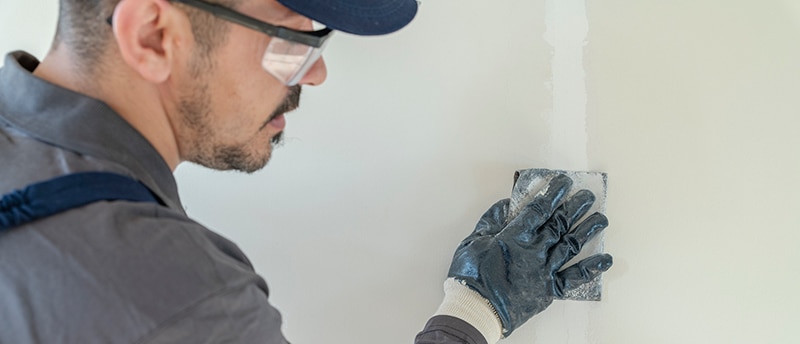
For pinholes and small anchor holes, lightweight spackle is the right material. It dries fast, sands easily, and shrinks minimally. Premixed all-purpose joint compound is overkill for holes this small and tends to shrink, requiring multiple coats. **Process:** 1. **Press lightly around each hole** with your finger to flatten any raised paper or compound dust. 2. **Scoop spackle on a 1.5 inch putty knife** and press it firmly into the hole, working the blade in two directions to ensure the hole is fully filled. 3. **Scrape excess flush** with the wall in one smooth pass. 4. **Let dry per the can directions** — usually 30–60 minutes for small holes, longer for anything deeper than 1/4 inch. 5. **Sand lightly with a 220-grit sponge** until smooth. 6. **Check for shrinkage** — deep holes often need a second pass. Touch-sand again after the second coat. 7. **Spot prime each patch** before painting. Skipping the primer step causes flashing — patches that show through the topcoat as duller or lighter spots. For a wall covered in dozens of holes, working systematically beats jumping around. Many of our crews mark each hole with a piece of painter's tape before filling so nothing gets missed. Customers in <a href="/locations/florida/miami">Miami</a> and <a href="/locations/nevada/las-vegas">Las Vegas</a> appreciate the tidy, methodical approach.
Repairing Medium and Large Anchor Holes
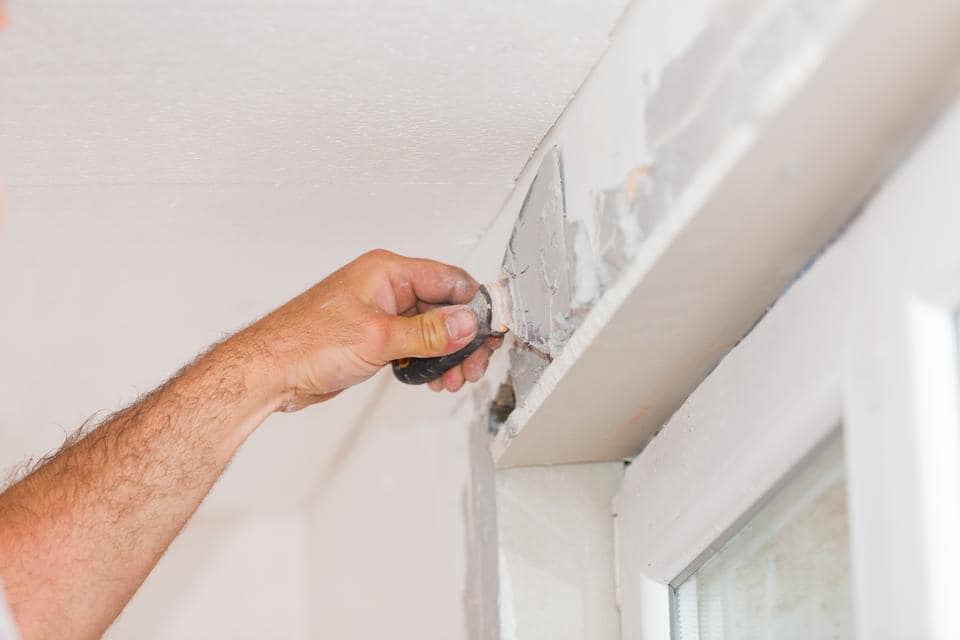
Anything larger than 1/2 inch needs reinforcement before filling — otherwise the patch has nothing to bond to and will crack out within months. **For medium holes (1/2 to 2 inches):** 1. **Trim loose paper and crushed gypsum** around the opening with a utility knife so you have a clean hole with solid edges. 2. **Cut a small piece of self-adhesive mesh tape** large enough to extend 1 inch beyond the hole in every direction. Press it firmly over the opening. 3. **Apply setting-type joint compound** (Easy Sand 20 or 45) over the mesh in two coats, feathering the second coat wider than the first. 4. **Sand smooth, prime, and paint.** Setting compound is essential here — it dries by chemical reaction rather than evaporation, so it shrinks far less than premixed compound and supports the mesh better. **For large holes (2 inches and up):** Use a California patch (also called a butterfly or hot patch): 1. **Cut a square of new drywall** that's 2 inches wider and taller than the hole, in the same thickness as your wall. 2. **Score and snap the back of the patch** to remove the gypsum, leaving a 1 inch border of paper face all the way around. 3. **Test fit** the gypsum center in the hole — trim until it slips in flush. 4. **Butter the back of the paper border** with joint compound and press the patch into the wall. The paper border acts as built-in tape. 5. **Smooth, feather, sand, and finish** with two more coats of compound. California patches are nearly invisible when done well and don't require any framing or backing strips inside the wall.
When Heavy Hangers Pull Out and Cause Real Damage
Sometimes the damage isn't from removing an anchor — it's from a heavy item that simply pulled the anchor out under its own weight. A loaded shelf, a mirror, or a TV mount can rip a substantial section of drywall paper and core away from the wall as it falls. These situations call for a more substantial repair: - **If the damaged area is under 4 inches**, use a California patch as described above. - **If the damaged area is 4 to 8 inches**, square off the damaged section, slide 1x3 furring strips behind the drywall as backing, and screw in a fresh patch. - **If the damaged area is over 8 inches** or the failure was caused by improper anchoring into drywall without studs, consider re-mounting the failed item directly into wall studs after the repair. Heavy items belong on studs, not anchors. Look closely at where the failure happened. If the original installer used plastic expansion anchors for a TV or heavy mirror, the repair is only the first step — proper remounting into studs with appropriate hardware prevents a repeat. Our team in <a href="/locations/illinois/chicago">Chicago</a> and <a href="/locations/washington/seattle">Seattle</a> often inspects mounting hardware as part of the repair visit.
Texture Matching and Final Finishing
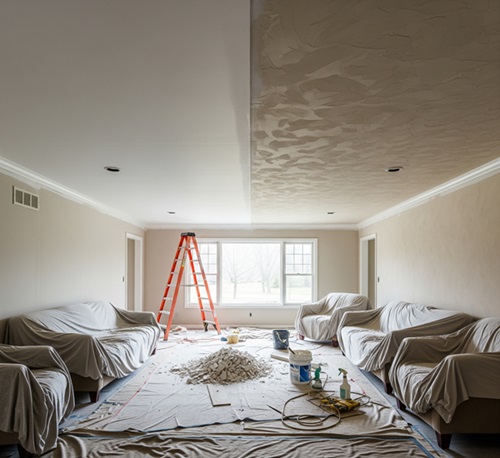
The final step on any anchor or picture repair is matching the wall's existing finish. Most modern homes have either a light orange peel texture or a smooth (Level 4) finish. **For smooth walls:** Sand the patch until it's perfectly flush, prime, and paint with the same roller nap used originally to recreate any subtle stipple. **For orange peel:** Apply aerosol orange peel texture, holding the can the same distance and angle as the surrounding texture. Practice on cardboard first to dial in the spray pattern. **For knockdown:** Spray orange peel texture, wait 10–15 minutes for the peaks to skin over, then drag a knockdown blade lightly across to flatten the high spots. Always prime patches before retexturing — raw compound absorbs texture material differently than primed surfaces and creates a visible color mismatch even after painting. For large rooms with many patches, repainting the entire wall corner-to-corner is often the only way to avoid visible flashing. Spot painting works well only when the existing paint is recent and the exact color and sheen match perfectly. Our <a href="/services/drywall-finishing-texturing">finishing and texturing specialists</a> handle both spot repairs and full-room refinishing. Call (818) 918-2397 or email info@fastfixdrywallrepair.com for a free quote on your project.
Need Professional Drywall Help?
Contact Fast Fix Drywall Repair for a free estimate on your next project.
Get a Free QuoteLooking for drywall repair services in your area? Browse our full service directory by city.