Drywall damage in rental properties raises questions about responsibility and cost. This guide clarifies the rules for both landlords and tenants.
The Drywall Damage Debate in Rental Properties
Drywall damage is one of the most common sources of disputes between landlords and tenants during move-out inspections. Small nail holes from hanging pictures, minor scuffs from furniture, and hairline settling cracks are generally considered normal wear and tear — the landlord's responsibility to repair between tenancies. Larger holes, impact damage, unauthorized modifications, and neglected moisture damage typically fall on the tenant. The challenge lies in the gray area between these two categories, where reasonable people can disagree about whether a particular type of damage constitutes normal use or negligence. Landlords managing properties in [Minneapolis](/locations/minnesota/minneapolis) and [Saint Paul](/locations/minnesota/saint-paul) should establish clear documentation practices and lease terms to minimize these disputes.
What Counts as Normal Wear and Tear
Most state landlord-tenant laws recognize that rental properties experience normal deterioration through ordinary use, and landlords cannot charge tenants for this wear. For drywall specifically, normal wear and tear typically includes small nail holes from reasonably sized picture hangers, minor scuff marks at furniture height, hairline cracks from building settlement, slight discoloration from normal use, and pin holes from standard wall-mounted items. These are the natural consequences of someone living in a space and should be expected and budgeted for as part of property maintenance. The key word is reasonable — a few nail holes per room is normal, but dozens of anchor holes, toggle bolt damage, and unauthorized shelf mounting cross the line into tenant-responsible damage.
Tenant-Responsible Drywall Damage
Damage that goes beyond normal wear and tear is generally the tenant's financial responsibility, either through security deposit deductions or direct payment. This category includes large holes from doorknob impacts or physical damage, unauthorized wall modifications like cutting in niches or removing sections, water damage from tenant negligence such as failing to report leaks or leaving windows open during storms, pet damage including scratching and chewing, and staining from smoke or substances that cannot be removed with normal cleaning. In [Rochester](/locations/minnesota/rochester) and [Bloomington](/locations/minnesota/bloomington), property managers report that doorknob holes and pet damage are the two most common forms of tenant-responsible drywall damage they encounter during turnovers.
Turnover Repairs: Speed and Cost Efficiency
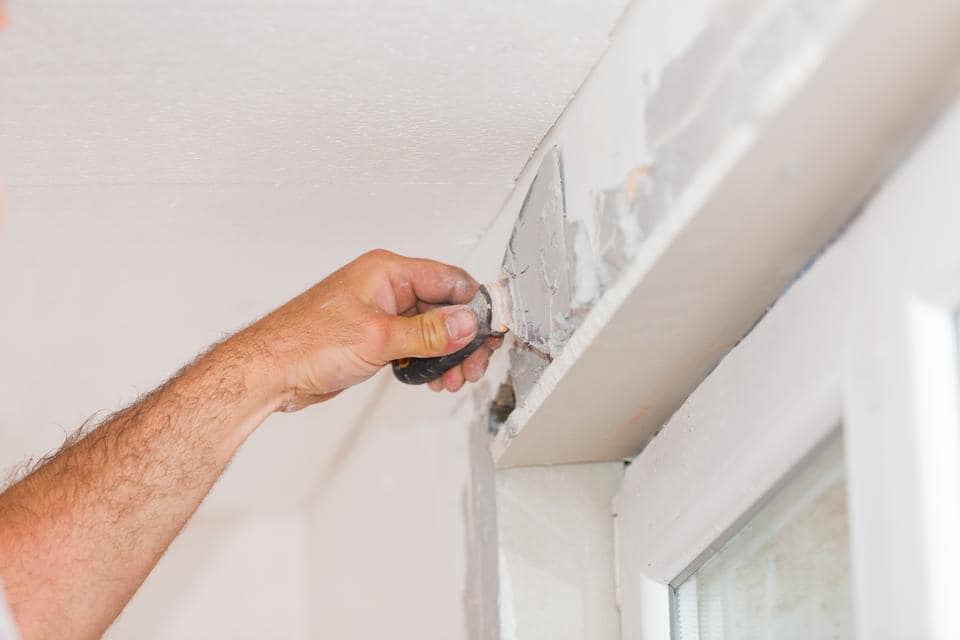
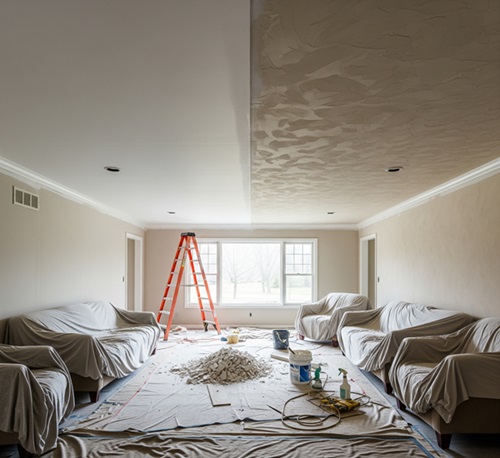
Between tenancies, landlords face pressure to complete repairs quickly to minimize vacancy days. Every day a unit sits empty is lost rental income, so efficient drywall repair is directly tied to profitability. Professional contractors experienced in rental turnover work understand this urgency. They can batch multiple small repairs — patching holes, fixing nail pops, touching up corners, and repairing door-related damage — into a single efficient visit. For properties with more extensive damage, having a reliable contractor who can respond quickly makes the difference between a one-week and a three-week turnover. Our [drywall repair](/services/drywall-repair) team works with property managers across [Duluth](/locations/minnesota/duluth) and surrounding areas to provide fast turnaround on turnover repairs without sacrificing quality.
Documentation Best Practices for Both Parties
The best protection for both landlords and tenants is thorough documentation at move-in and move-out. A detailed move-in inspection report with photographs of every room — including close-ups of any existing damage — establishes a clear baseline. The same documentation at move-out allows objective comparison. Landlords should use a standardized checklist that specifically notes drywall condition in each room, including walls, ceilings, and corners. Tenants should insist on receiving a copy of the move-in report and should take their own photographs. When disputes do arise, photographic evidence from both time points usually resolves the question of whether damage existed before the tenancy or occurred during it.
Cost-Effective Repair Strategies for Landlords
Smart landlords treat drywall maintenance as an ongoing operating expense rather than an emergency cost. Building a relationship with a reliable drywall contractor means faster response times and potentially volume-based pricing. Choosing durable, scuff-resistant paint formulated for rental properties reduces the frequency of repainting. Installing door stops to prevent doorknob damage eliminates one of the most common repair needs. Using chair rail molding in hallways and dining areas protects walls from furniture impact. For properties with frequent turnovers, scheduling periodic professional inspections catches small problems before they become large ones. These proactive measures reduce per-turnover costs and keep units in better condition over the long term.
When to Upgrade Instead of Repair
Repeated repairs to the same walls sometimes signal that it is time for a different approach. If a particular area sustains damage during every tenancy — a hallway corner that catches furniture, a wall behind a door without a stop, a bathroom ceiling with chronic moisture issues — addressing the root cause is more economical than ongoing repair. Upgrading to impact-resistant drywall in high-traffic areas, installing corner guards, adding moisture-resistant panels in bathrooms, and improving ventilation are all investments that pay for themselves within a few tenancy cycles. For [Saint Paul](/locations/minnesota/saint-paul) property owners managing multiple units, these upgrades compound into significant savings and reduced management headaches over time.
Need Professional Drywall Help?
Contact Fast Fix Drywall Repair for a free estimate on your next project.
Get a Free QuoteLooking for drywall repair services in your area? Browse our full service directory by city.