Many homeowners do not know whether their walls are drywall or plaster, but the repair techniques are very different. Identifying your wall type is the first step.
Drywall or Plaster: How to Tell What Your Walls Are Made Of
Before you can repair a damaged wall, you need to know what it is made of. Drywall and plaster may look similar on the surface, but they are fundamentally different materials that require different repair approaches. The simplest identification method is to look for a seam — drywall panels meet in straight lines that are covered with tape and compound, while plaster surfaces are continuous with no panel joints. You can also push a thumbtack into the wall: it slides easily into drywall but barely penetrates plaster. Removing a switch plate and looking at the edge of the wall opening reveals the construction clearly — drywall shows a uniform white or gray gypsum panel, while plaster shows a thick, hard coating over wooden lath strips or metal mesh. Homes built before 1950 in cities like [Des Moines](/locations/iowa/des-moines) and [Cedar Rapids](/locations/iowa/cedar-rapids) are very likely to have original plaster walls, while those built after 1960 almost certainly have drywall.
Understanding the Structural Differences
Drywall consists of gypsum plaster pressed between two sheets of heavy paper, manufactured into standard four-by-eight-foot panels that are screwed to framing. It is uniform, predictable, and relatively easy to cut, patch, and finish. Plaster, by contrast, is a multi-layer system: wooden or metal lath is fastened to the studs, and plaster is applied in two or three coats — a scratch coat that keys into the lath, a brown coat for straightening, and a finish coat for the smooth surface. The result is a wall that is harder, denser, more soundproof, and more difficult to repair than drywall. Plaster walls are also irregular in thickness and may not be perfectly flat, which affects how repairs blend with the surrounding surface.
Repairing Drywall: Standard Techniques
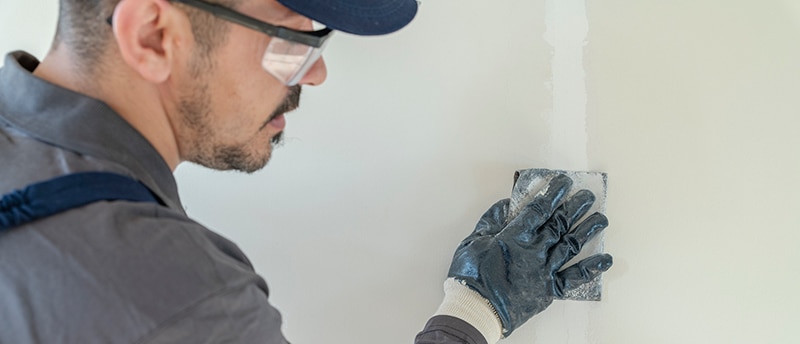
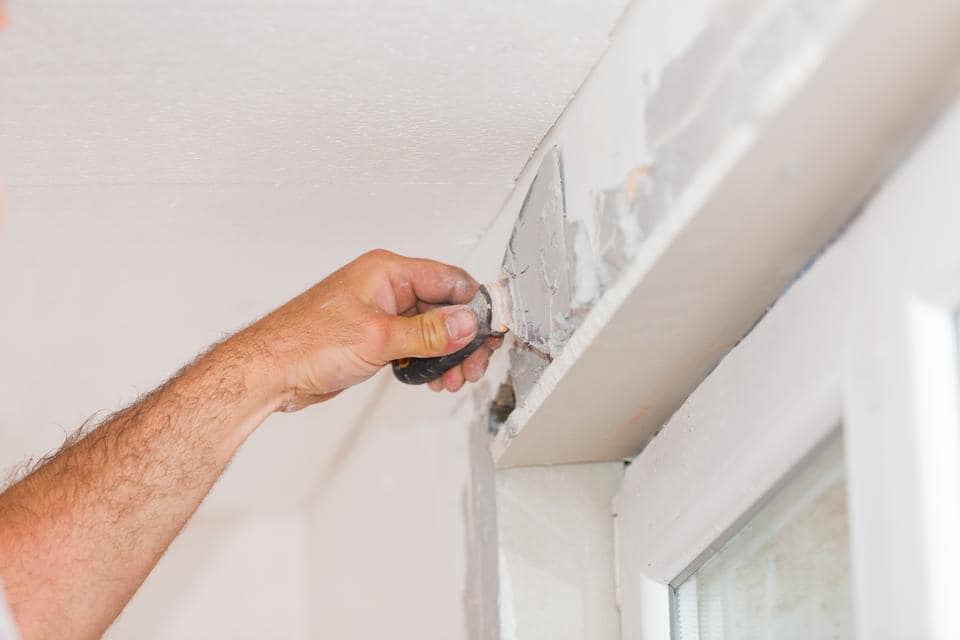
Drywall repair is well-standardized and uses readily available materials. Small holes are patched with joint compound and mesh tape. Larger holes require a replacement piece of drywall cut to fit the opening, secured to backing material or adjacent studs, and finished with tape and compound. Cracks are typically re-taped with fresh tape and compound. The repair materials — joint compound, tape, and gypsum panels — are inexpensive and available at any hardware store. The finishing process is straightforward: apply compound, let it dry, sand smooth, repeat until the surface is flush and invisible under paint. Our [drywall repair](/services/drywall-repair) team handles everything from minor patches to major section replacements across [Davenport](/locations/iowa/davenport) and [Sioux City](/locations/iowa/sioux-city).
Repairing Plaster: A Different Skillset
Plaster repair demands different materials, techniques, and patience than drywall repair. Small cracks and holes in plaster can be filled with setting-type joint compound or plaster patching compound, but the existing plaster must be clean, stable, and well-bonded to the lath for the patch to hold. Larger areas of damage — where the plaster has separated from the lath, known as delamination — require screwing the plaster back to the lath with plaster washers or removing the failed section entirely. When plaster is removed, the lath behind it is exposed, and the repair can go two ways: re-plastering over the lath for a historically accurate repair, or installing a drywall patch in the opening and finishing it to match the surrounding plaster surface. The second approach is more common because it is faster and less expensive, though matching the thickness and surface texture of original plaster requires skill.
Common Mistakes When Repairing Plaster with Drywall Techniques
One of the most frequent mistakes is treating plaster walls as if they were drywall. Standard paper drywall tape does not adhere well to hard plaster surfaces, and pre-mixed joint compound can crack when applied in the thick layers needed to blend with the thicker plaster profile. Using drywall screws without plaster washers can crack the surrounding plaster as the screw is driven. Sanding plaster produces a much harder dust that dulls sandpaper quickly and can damage surrounding surfaces if done aggressively. Perhaps the biggest mistake is trying to make a plaster wall perfectly flat during a repair — original plaster has natural undulations that are part of its character, and a patch that is dead flat will actually stand out from the subtly wavy surrounding surface. Homeowners in [Iowa City](/locations/iowa/iowa-city) restoring historic homes should seek contractors experienced specifically with plaster to avoid these common pitfalls.
Should You Convert Plaster Walls to Drywall?
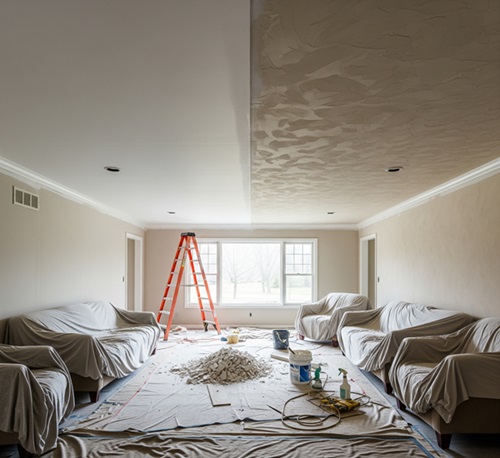
Some homeowners dealing with extensive plaster damage consider converting the entire room or home to drywall. This involves removing all the plaster and lath down to the bare studs and installing drywall in its place. The advantages include lower future repair costs, easier renovation work, and the ability to add modern insulation in the wall cavities. The disadvantages are significant: the project is extremely messy and labor-intensive, the walls may actually lose some soundproofing quality, and in historic homes, removing original plaster can reduce property value and may violate local preservation ordinances. Our [sheetrock replacement](/services/sheetrock-replacement) team can evaluate your specific situation and advise whether conversion makes sense for your home, taking into account the condition of the existing plaster, your renovation plans, and any historical preservation considerations.
Need Professional Drywall Help?
Contact Fast Fix Drywall Repair for a free estimate on your next project.
Get a Free QuoteLooking for drywall repair services in your area? Browse our full service directory by city.