Every home renovation involves drywall work. Planning the drywall phase properly within the overall project timeline saves money and ensures quality results.
Why Drywall Is the Backbone of Every Renovation
No matter what kind of home renovation you are undertaking — kitchen remodel, bathroom update, room addition, or whole-house refresh — drywall work is involved. Moving a wall requires removing and reinstalling drywall. Adding an outlet means cutting a hole and patching afterward. Replacing plumbing involves opening and closing wall cavities. Even a simple paint refresh may reveal cracks, holes, and damage that need repair before the new paint goes on. Understanding how drywall work fits into the overall renovation sequence helps you plan realistic timelines, coordinate trades effectively, and avoid costly delays. Homeowners in [Birmingham](/locations/alabama/birmingham) and [Huntsville](/locations/alabama/huntsville) planning major renovations should discuss the drywall phase with their general contractor early in the planning process.
Sequencing Drywall Work with Other Trades
Drywall work occupies a specific place in the renovation sequence that cannot be moved without creating problems. The standard sequence is: framing first, then rough mechanical (electrical, plumbing, HVAC), then insulation, then drywall hanging, then inspections if required, then drywall finishing. This sequence ensures that all work inside the wall cavities is complete before the cavities are closed. Hanging drywall before electrical or plumbing rough-in is finished means cutting holes in new panels or removing sections for trades access. Finishing drywall before the HVAC system is operational means compound may not cure properly if the space cannot be temperature-controlled.
Planning for Hidden Damage Discovery
One of the realities of renovation is discovering problems that were hidden behind existing walls. Opening a kitchen wall to relocate plumbing may reveal termite damage, mold, or inadequate framing. Removing a bathroom vanity may expose water-damaged drywall and rotted studs. These discoveries are not unusual — they are almost expected in older homes — but they affect the project timeline and budget. Building a contingency of 10 to 20 percent into your drywall budget accounts for the additional material and labor needed to address hidden conditions. Our [drywall repair](/services/drywall-repair) team in [Montgomery](/locations/alabama/montgomery) and [Mobile](/locations/alabama/mobile) provides transparent communication when hidden damage is discovered, presenting repair options with clear cost and timeline implications.
Matching New Drywall to Existing Surfaces
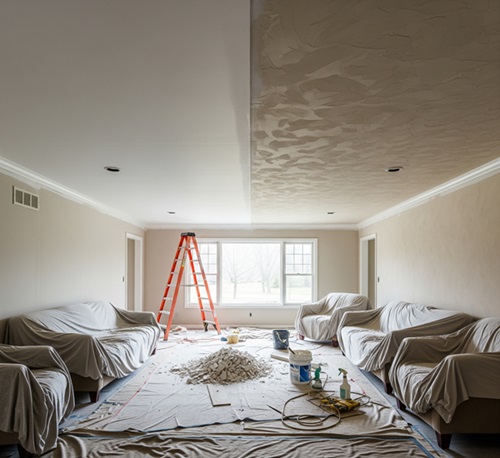
Renovations that modify part of a room create transitions between new and existing drywall that must be seamless. The challenge is matching the existing wall thickness, texture, and finish level across the transition. If the existing drywall is half-inch and the new section uses five-eighths for sound or fire rating, the thickness difference must be shimmed or feathered with compound at the transition. Existing texture patterns — especially older or custom textures — require skill to replicate convincingly on the new sections. The finishing quality of the new work must match or exceed the surrounding original work, or the renovation will look unfinished.
Budgeting for Drywall in a Renovation
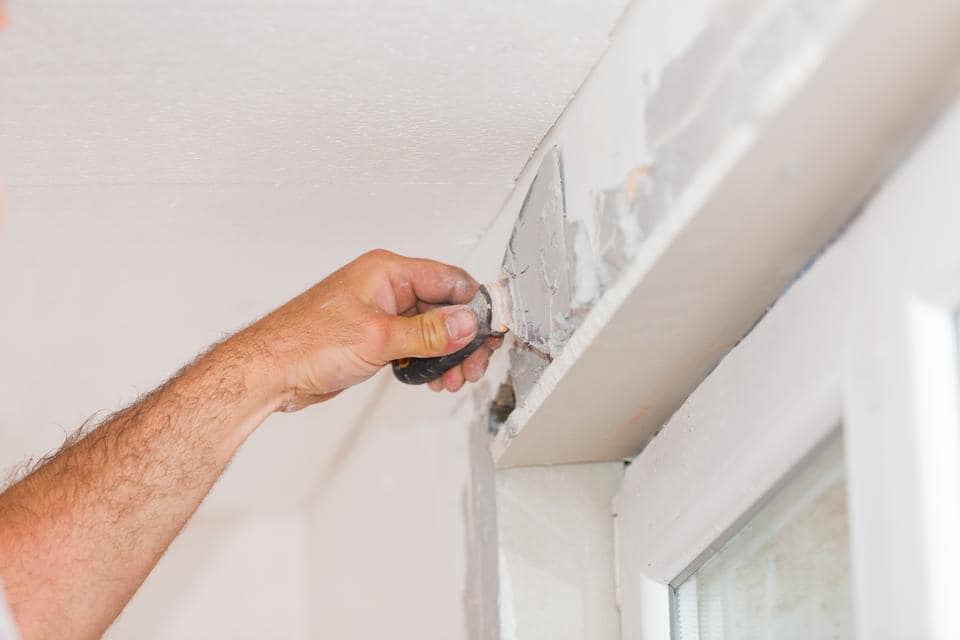
Drywall costs in a renovation include several components that are easy to underestimate. Material costs for panels, compound, tape, and fasteners are straightforward. Labor for hanging — which includes measuring, cutting, and fastening — is typically priced per square foot or per panel. Finishing labor — taping, mudding, sanding, and texture — is often the largest cost component and depends heavily on the finish level specified. Repairs to existing drywall in areas adjacent to the renovation add cost that is not always anticipated. Homeowners in [Tuscaloosa](/locations/alabama/tuscaloosa) and surrounding areas should request itemized drywall estimates that break out each component so they can evaluate where costs can be adjusted without sacrificing quality in the most visible areas.
Quality Control During the Drywall Phase
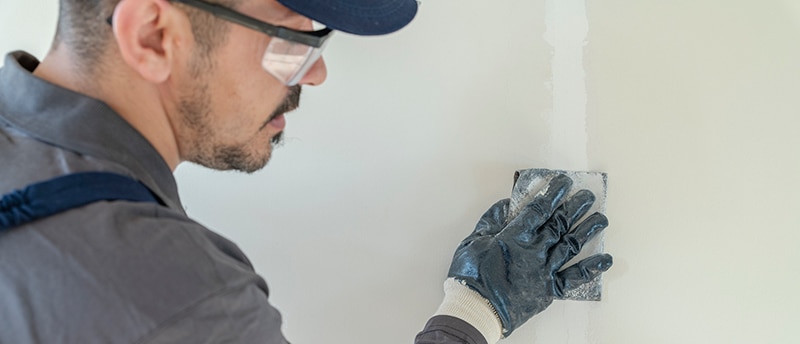
Inspecting drywall work at key stages prevents problems that are expensive to correct later. After hanging, check that all panels are properly fastened, edges are tight against framing, and cutouts for outlets and fixtures are clean and correctly sized. After the first compound coat, verify that tape is fully embedded without bubbles or wrinkles. After finishing, inspect every surface under side lighting before the primer coat, looking for ridges, tool marks, pinholes, and incomplete feathering. Addressing these issues before painting is straightforward — finding them after two coats of paint means sanding through the paint, re-compounding, re-priming, and repainting. The few minutes spent on stage inspections save hours of corrective work.
Need Professional Drywall Help?
Contact Fast Fix Drywall Repair for a free estimate on your next project.
Get a Free QuoteLooking for drywall repair services in your area? Browse our full service directory by city.