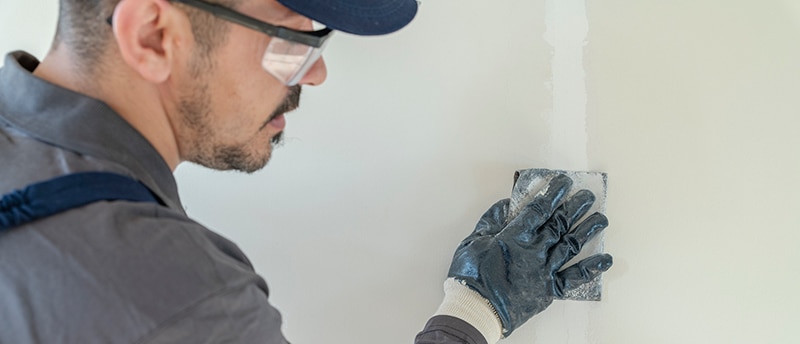
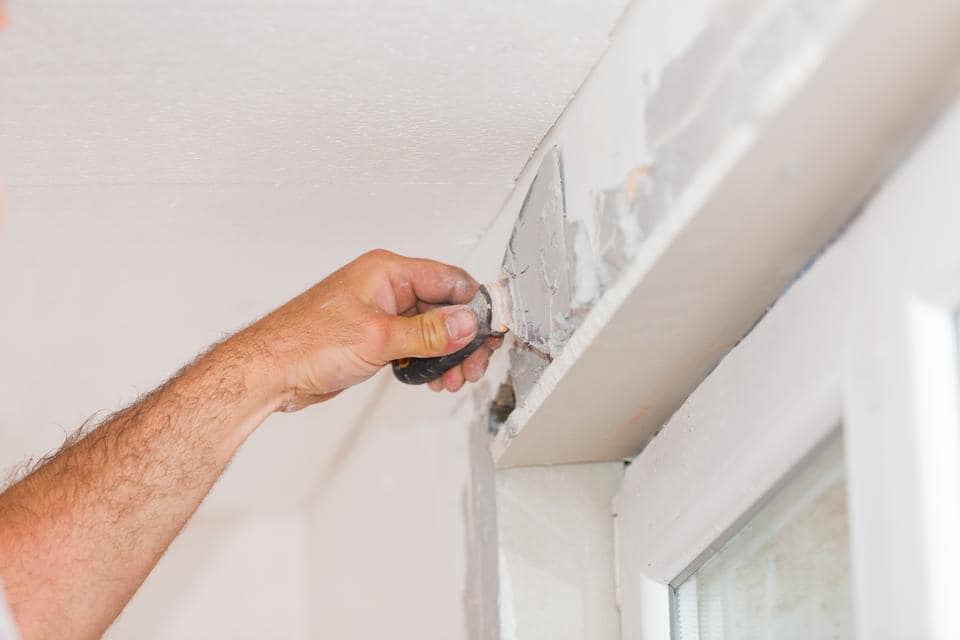
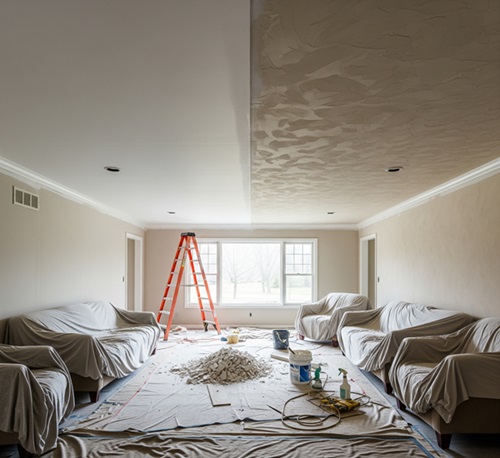
Sanding is the final barrier between a rough drywall job and a professional-quality finish. These techniques will help you achieve smooth, paint-ready surfaces every time.
Why Sanding Makes or Breaks a Drywall Job
Even the most skillfully applied joint compound leaves tool marks, ridges, and slight imperfections that must be smoothed before painting. Sanding is the step that bridges the gap between a functional drywall job and a professional-quality finish. Skip it, rush it, or do it incorrectly, and every flaw will telegraph through the paint — especially under certain lighting conditions. Proper sanding technique involves more than rubbing sandpaper across the wall; it requires the right abrasive, the right tool, the right pressure, and a systematic approach that covers every square inch of finished surface. In the Pacific Northwest, where many homes in [Seattle](/locations/washington/seattle) and [Tacoma](/locations/washington/tacoma) feature natural light from large windows, even minor sanding defects become highly visible.
Choosing the Right Sandpaper Grit
Grit selection depends on what you are trying to accomplish. For initial sanding after the second coat of compound, 120-grit sandpaper removes ridges and levels the surface quickly without gouging. For final sanding after the finishing coat, 150 to 180-grit produces a smooth surface suitable for most paint finishes. For level 5 finishes or high-gloss applications, finish with 220-grit for an ultra-smooth result. Never start with a grit finer than what the surface needs — a fine grit will not remove tool marks or ridges, and you will spend far more time sanding than necessary. Conversely, starting with a grit that is too coarse can scratch the paper face of the drywall and create defects that show through paint.
Hand Sanding vs. Pole Sanding vs. Power Sanding
Hand sanding with a sanding block or sponge gives you the most control and is ideal for small areas, corners, and detail work around outlets and fixtures. A sanding sponge (available in various grits) is especially useful for inside corners because it conforms to the angle without digging into the adjacent surface. Pole sanders — a sanding head mounted on a telescoping pole — are the standard tool for walls and ceilings because they allow you to reach high areas without a ladder and apply even pressure across large surfaces. For very large projects, power sanders with vacuum attachments can dramatically reduce sanding time and dust. However, power sanders are aggressive and require a light touch to avoid over-sanding. Professionals in [Spokane](/locations/washington/spokane) and [Bellevue](/locations/washington/bellevue) typically use a combination of pole sanders for field work and hand sanding for detail areas.
Proper Sanding Technique and Pressure
The most common sanding mistake is applying too much pressure. Drywall compound is softer than the paper face of the drywall panel, so heavy pressure will sand through the compound and into the paper before you realize it. Use light, even strokes and let the sandpaper do the work. Move the sander in broad, overlapping circular or figure-eight motions rather than short, straight strokes. Straight strokes tend to create troughs and ridges, while circular motions blend the surface more evenly. On ceilings, work parallel to the joists and overlap each pass by about half the width of the sanding head. On walls, start at the top and work down so falling dust does not clog your freshly sanded areas.
The Raking Light Test
After sanding, inspect your work with a raking light before priming. Hold a bright light source — a shop light, high-lumen flashlight, or clip light — at a very shallow angle (nearly parallel to the wall surface) and slowly scan across the sanded area. At this angle, every bump, ridge, scratch, and low spot casts a shadow and becomes immediately visible. Mark imperfections with a pencil, apply a thin touch-up coat of compound, let it dry, and sand again. This inspect-touch-up-sand cycle may need to be repeated two or three times on demanding areas like butt joints and inside corners. Professional finishers consider the raking light test the definitive quality check — if the surface looks smooth under raking light, it will look perfect under any normal lighting condition.
Dust Control Strategies
Drywall dust is extremely fine and gets everywhere. Containing it protects your home, your lungs, and your paint job. Seal the work area with plastic sheeting and painter's tape over doorways and HVAC vents. A box fan placed in an open window, blowing outward, creates negative pressure that pulls dust toward the outside. Wear a properly fitted N95 respirator at minimum — drywall dust contains silica, which can cause respiratory issues with prolonged exposure. For large projects, consider renting a commercial air scrubber that filters dust particles from the air. Vacuum surfaces with a HEPA-filtered shop vacuum before priming, and wipe walls with a slightly damp microfiber cloth to catch remaining dust. Homeowners in [Vancouver](/locations/washington/vancouver) who skip dust control often find drywall particles embedded in their paint finish, which is extremely difficult to correct after the fact.
Hiring a Professional for Drywall Sanding
Sanding is the most physically demanding stage of drywall finishing — it involves extended overhead work, repetitive motion, significant dust exposure, and the need for a trained eye to spot imperfections. For these reasons, many homeowners who are comfortable with taping and mudding still prefer to hire a professional for the sanding and finishing stage. Our [drywall finishing and texturing](/services/drywall-finishing-texturing) crews bring professional-grade tools, dust containment systems, and the experience to deliver smooth, paint-ready surfaces efficiently. We serve homeowners throughout the greater Puget Sound area, from [Seattle](/locations/washington/seattle) to [Tacoma](/locations/washington/tacoma), and provide free estimates for all finishing and texturing projects.
Need Professional Drywall Help?
Contact Fast Fix Drywall Repair for a free estimate on your next project.
Get a Free QuoteLooking for drywall repair services in your area? Browse our full service directory by city.