Not sure which drywall repair tools you need? This guide covers everything from basic spackle tools to complete wall repair kits, helping you choose the right equipment for any drywall project.
Why Having the Right Drywall Repair Tools Matters
The difference between a visible drywall patch and an invisible one often comes down to tools. Using the wrong knife, the wrong compound, or the wrong sanding technique can turn a simple repair into a frustrating project that still shows through paint. Whether you're assembling your own drywall repair kit from individual tools or buying a pre-packaged wall repair kit, understanding what each tool does — and when to use it — is essential for achieving professional-quality results. In this guide, we'll walk through every tool you might need for drywall repair, from basic spackle tools for nail holes to the full setup required for large patch repairs and finishing work. We'll also review popular drywall patch kits and wall repair kits to help you decide if a bundle makes sense for your situation. Of course, if you'd rather skip the toolbox and get guaranteed results, our <a href="/services/drywall-repair">professional drywall repair service</a> brings all the tools and expertise to your door. We serve homeowners in <a href="/locations/texas/san-antonio">San Antonio</a>, <a href="/locations/pennsylvania/philadelphia">Philadelphia</a>, and across all 50 states.
Basic Spackle Tools for Small Repairs
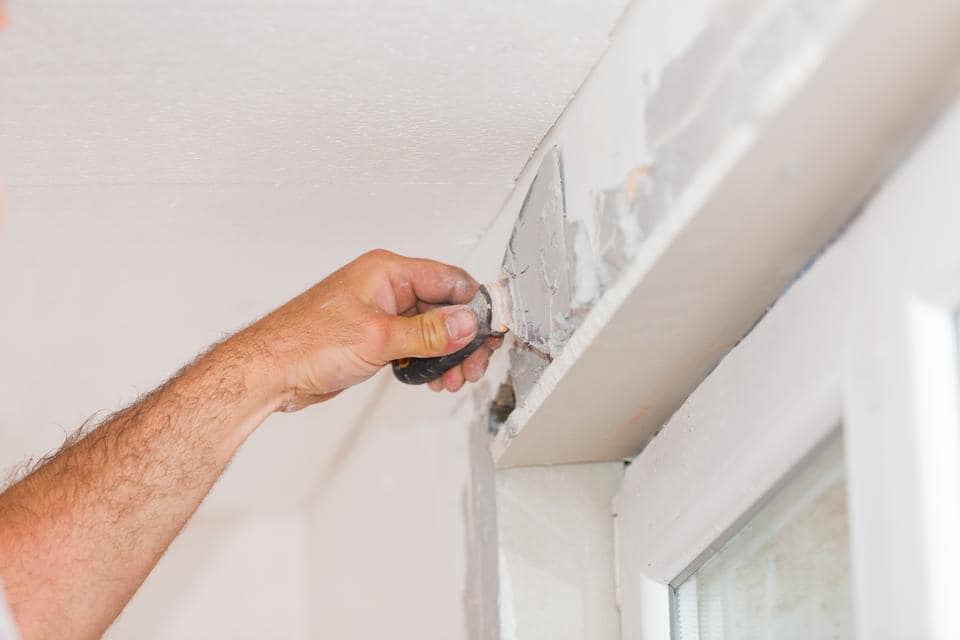
For minor drywall repairs — nail holes, screw holes, small dings — you need surprisingly few tools: **Putty knife (1.5-inch and 3-inch):** The putty knife is the most fundamental spackle tool. A 1.5-inch knife is perfect for pressing spackle into small holes, while a 3-inch knife handles slightly larger areas. Look for knives with flexible, stainless steel blades — they conform to the wall surface better than rigid blades. **Lightweight spackling compound:** This is the drywall hole filler of choice for small repairs. It goes on smooth, dries fast, and sands easily. A 16-ounce tub handles dozens of small repairs and lasts for years if sealed properly. **Fine-grit sandpaper (120-150 grit):** After the spackle dries, you need to sand it flush with the wall. Fine grit creates a smooth finish without damaging the surrounding wall surface. A sanding sponge is even better for small spot repairs because it conforms to the wall contour. **Small primer brush or mini roller:** Priming the patched area before painting is non-negotiable. A 2-inch brush or mini foam roller covers small patches efficiently. Total investment for this basic spackle tool kit: approximately $15-25 at any hardware store. These tools will handle the most common drywall repairs that homeowners encounter throughout the life of their home.
Mid-Level Drywall Repair Kit for Medium Patches
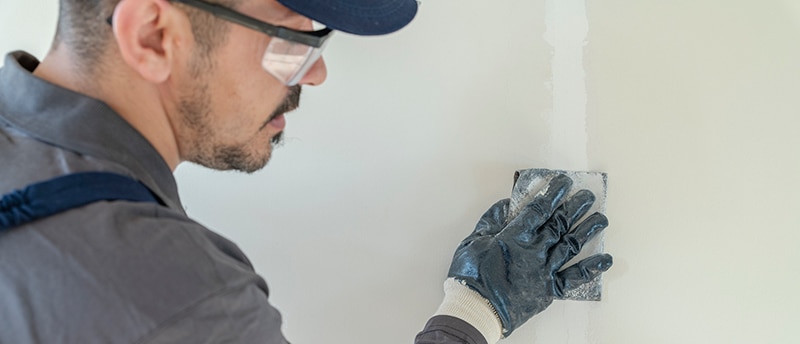
When your repairs go beyond simple nail holes — think doorknob damage, small furniture impacts, or old wall anchor holes — you'll need to expand your tool kit: **Drywall knives (6-inch and 10-inch):** These wider blades are essential for spreading and feathering joint compound over mesh patches and medium-sized repairs. The 6-inch handles the initial coat while the 10-inch creates the smooth, wide feathering needed for invisible results. **All-purpose joint compound:** For anything beyond tiny spackle fills, all-purpose joint compound ("mud") provides the body and strength needed for durable repairs. Pre-mixed compound in a bucket is the most convenient option for homeowners. **Self-adhesive drywall patch kits:** These are the go-to wall patch kits for holes between 1 and 6 inches. They come with a mesh-backed aluminum plate that covers the hole, providing a solid surface for compound application. Most hardware stores sell them in multi-packs with various sizes. **Drywall sanding screen or sanding block:** For larger patched areas, a sanding screen on a hand block provides faster, more even sanding than sandpaper alone. The screen doesn't clog with compound dust like paper does. **Corner tool or corner trowel:** If your repair involves an inside or outside corner, a corner tool makes it dramatically easier to create clean, straight corner lines. **Dust mask and safety glasses:** Joint compound dust is fine and pervasive. Always wear respiratory protection when sanding drywall compound. Many manufacturers sell pre-assembled drywall repair kits that include patches, compound, a knife, and sandpaper in a single package. These kits are convenient for occasional repairs and make great additions to any homeowner's toolkit. Residents in <a href="/locations/indiana/indianapolis">Indianapolis</a> and <a href="/locations/missouri/kansas-city">Kansas City</a> can find these at most local hardware stores.
Professional-Grade Drywall Repair Tools for Large Projects
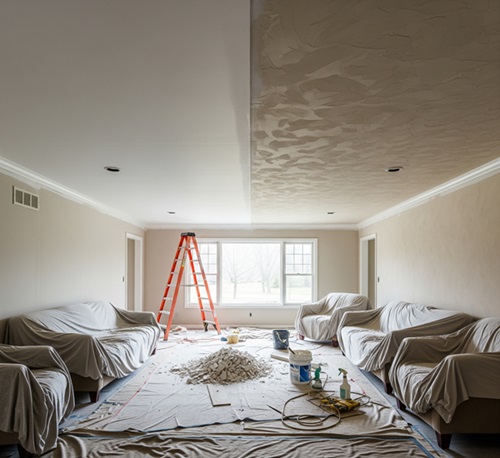
For major drywall repairs — large holes, water damage restoration, multiple room patches — you'll benefit from professional-grade tools: **Drywall saw (jab saw):** This pointed saw cuts through drywall easily, letting you square off damaged areas or cut access holes for plumbing and electrical work. A must-have for any repair involving new drywall installation. **T-square and utility knife:** For cutting new drywall pieces, a 4-foot T-square ensures perfectly straight cuts every time. Score the paper with a utility knife, snap along the line, then cut the back paper. **Drywall screw gun or drill with dimpler bit:** When securing new drywall patches with backing boards, a screw gun or drill with a dimple bit sets screws to the perfect depth without breaking through the drywall paper. **Mud pan:** A stainless steel mud pan holds joint compound while you work, making it easy to load your knife and keep compound from drying out. Far more practical than working directly from the bucket. **12-inch finishing knife:** For the final coat on large repairs, a 12-inch knife creates ultra-smooth, wide feathering that blends seamlessly with surrounding walls. **Pole sander:** For ceiling repairs or large wall areas, a pole sander lets you sand with even pressure without a ladder. It also reduces fatigue compared to hand sanding overhead. **Texture sprayer or hopper gun:** If your walls have texture, you'll need a way to replicate it on repaired areas. Small aerosol texture cans work for spot repairs, while a hopper gun handles larger areas. A complete professional drywall repair kit with all these tools typically costs $100-200. However, for one-time large repairs, many homeowners find that hiring a professional drywall contractor is more cost-effective than purchasing tools they'll rarely use again.
Pre-Made Wall Repair Kits: Are They Worth It?
The market is full of pre-packaged wall repair kits and drywall patch kits. Here's an honest assessment of what they offer: **Basic wall patch kits ($5-15):** These typically include a few self-adhesive patches, a small amount of spackle, a putty knife, and sandpaper. They're perfect for renters handling move-out touch-ups or homeowners fixing a handful of nail holes. The quality of included tools is basic but functional for occasional use. **Mid-range drywall repair kits ($15-35):** These upgrade to proper joint compound, multiple patch sizes, a better quality knife, and sometimes a sanding block. Some include primer and a small amount of paint. Good value for homeowners who want a complete solution on hand for periodic repairs. **Professional sheetrock repair kits ($30-60):** The premium kits include everything needed for small to large repairs — multiple compound types, mesh tape, various patch sizes, quality knives, and detailed instructions. These are the best value for homeowners who want to handle most common drywall repairs themselves. Our recommendation: If you're fixing fewer than five small holes, a basic kit is all you need. If you own your home and want to be prepared for any drywall damage, invest in a quality mid-range kit and supplement with individual tools as needed. For homeowners in <a href="/locations/wisconsin/milwaukee">Milwaukee</a>, <a href="/locations/maryland/baltimore">Baltimore</a>, and beyond, remember that no kit replaces years of professional experience. When the repair matters — high-visibility areas, tricky textures, or structural damage — our professional team delivers results that DIY kits simply can't match.
Maintaining and Storing Your Drywall Repair Tools
Good tools last for years when properly maintained: **Clean drywall knives immediately after use.** Dried joint compound on knife blades creates ridges that drag through your next repair, leaving marks. Wash blades with warm water and dry them to prevent rust. **Seal compound containers tightly.** Joint compound and spackle dry out quickly when exposed to air. Press plastic wrap directly onto the surface of the compound before replacing the lid for maximum shelf life. **Store sanding supplies in a dry location.** Moisture causes sandpaper and sanding screens to degrade, reducing their effectiveness and potentially leaving residue on your walls. **Replace worn putty knives.** Over time, the edges of drywall knives develop nicks and bends that create visible lines in compound. A new knife is inexpensive and makes a noticeable difference in repair quality. **Keep a wall repair checklist.** When you notice drywall damage around your home, note the location, size, and type on a simple list. Then tackle them all in a single repair session — it's more efficient and you'll get better results as you build momentum. Whether you choose to build your own drywall repair toolkit or rely on our <a href="/services/drywall-repair">professional drywall repair service</a>, the key is addressing damage promptly. Small holes become eyesores over time, and water-damaged areas can develop mold if left unrepaired. <a href="/#contact">Contact us</a> anytime for a free estimate on your drywall repair project.
Need Professional Drywall Help?
Contact Fast Fix Drywall Repair for a free estimate on your next project.
Get a Free QuoteLooking for drywall repair services in your area? Browse our full service directory by city.