When drywall tape bubbles or peels, the smooth surface of your walls is ruined. Understanding the causes leads to lasting repairs rather than temporary fixes.
What Causes Drywall Tape to Bubble and Peel
Drywall tape failure is one of the most frustrating problems homeowners encounter because it often appears suddenly in areas that have looked fine for years. The most common cause is insufficient embedding compound — when the tape was originally installed without enough joint compound beneath it to create a solid bond, air pockets form between the tape and the drywall surface. Over time, temperature cycling, humidity changes, and building movement cause these air pockets to expand, pushing the tape outward into visible bubbles. Other causes include applying tape over dusty or contaminated surfaces, using joint compound that was too thin or too dry, and working in conditions that caused the compound to dry too quickly before the tape could fully bond. Homeowners in [Baltimore](/locations/maryland/baltimore) and [Annapolis](/locations/maryland/annapolis) frequently see tape bubbling during the humid summer months when moisture exacerbates existing adhesion weaknesses.
Moisture-Driven Tape Failure
While installation errors create the initial weakness, moisture is often the trigger that causes dormant problems to become visible. Paper drywall tape absorbs moisture from humid air, causing it to expand and contract independently of the compound layer beneath it. In bathrooms, kitchens, and laundry rooms — anywhere that experiences regular humidity spikes — tape joints are under constant stress from this moisture cycling. Slow leaks behind walls can wet the back side of the tape, causing it to release from the compound even when the original installation was adequate. If you notice tape failure concentrated in wet areas or during humid seasons, moisture is likely the driving factor. Addressing the moisture source — improving ventilation, fixing leaks, or reducing indoor humidity — is essential before repairing the tape, or the problem will return.
How to Repair Bubbling Tape Step by Step
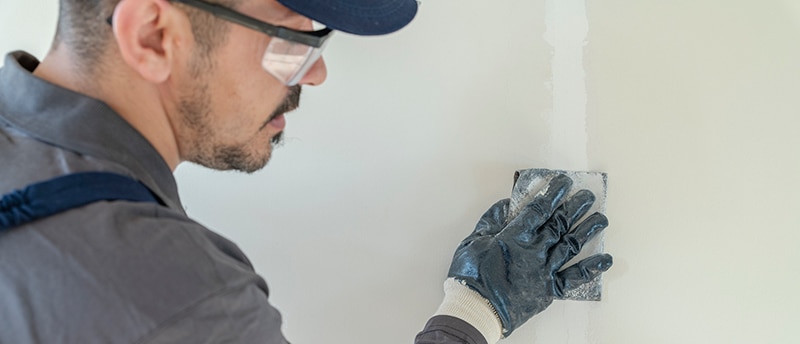
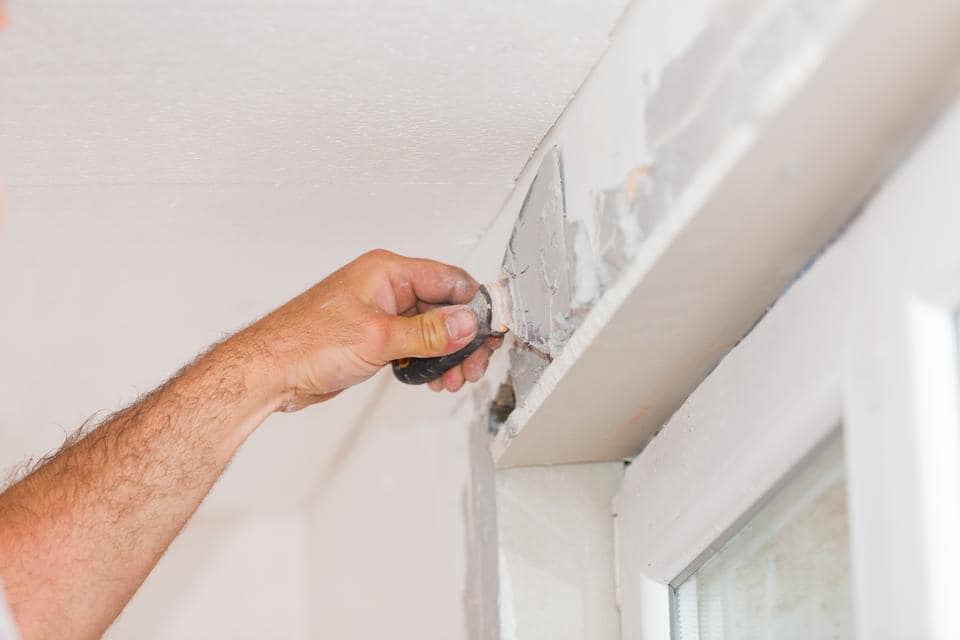
Repairing bubbled drywall tape requires removing the failed section and replacing it with a fresh application done correctly. Start by cutting along both sides of the bubbled area with a sharp utility knife, then peel away the loose tape. Scrape the exposed surface clean, removing any old compound that is cracked or poorly bonded. Apply a generous bed coat of joint compound to the exposed area, extending it at least two inches beyond each edge of the repair. Press new tape into the wet compound, smoothing it firmly from the center outward to eliminate air pockets. Cover the tape with another thin coat of compound, feathering the edges to blend with the surrounding surface. Allow each coat to dry fully before sanding lightly and applying the next. Our [drywall finishing and texturing](/services/drywall-finishing-texturing) professionals use these techniques daily across [Silver Spring](/locations/maryland/silver-spring) and [Rockville](/locations/maryland/rockville), delivering seamless repairs that last.
Paper Tape vs. Mesh Tape for Repairs
When repairing failed tape joints, choosing between paper tape and fiberglass mesh tape depends on the joint location and the type of stress it faces. Paper tape is stronger in shear — it resists cracking along the joint better than mesh — making it the preferred choice for inside corners, ceiling-to-wall joints, and any joint that experiences significant building movement. Mesh tape is easier to apply, self-adhesive, and less prone to bubbling because it does not require a bed coat for adhesion. However, it is not as strong in tension and should be used with setting-type compound rather than pre-mixed compound for adequate strength. For repairs where the original paper tape failed due to poor adhesion, mesh tape can be a good alternative because it eliminates the bed-coat bonding issue that caused the original failure.
Preventing Tape Failure in New Work
Whether you are installing new drywall or supervising a contractor, understanding what prevents tape failure helps you ensure quality work. The compound bed beneath the tape must be thick enough to fully embed the tape — you should see compound squeeze out from both edges when the tape is properly pressed into place. The tape must be pressed firmly with a drywall knife to eliminate all air pockets, and the excess compound must be smoothed away without lifting the tape from its bed. Working temperature should be above 50 degrees Fahrenheit, and the room should have adequate ventilation to allow even drying. Avoid applying tape to dusty surfaces or over compound that has already begun to set. Homeowners in [Frederick](/locations/maryland/frederick) and throughout the region who are having new drywall installed should ask their contractor about their taping process — quality at this stage determines whether your walls look good for years or develop problems within months.
When to Call a Professional for Tape Repair
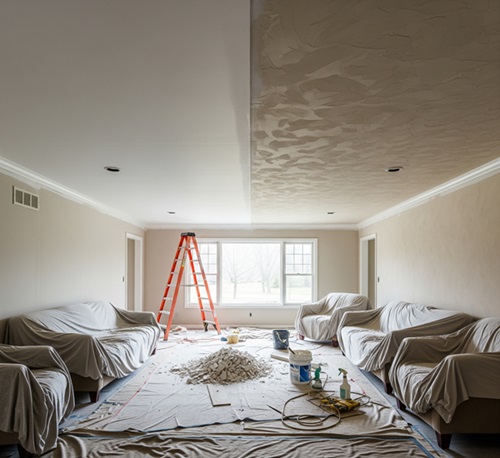
Small sections of bubbled tape — a foot or two along a single joint — are manageable for a handy homeowner with patience and the right materials. However, if tape is failing across multiple joints, throughout a room, or on ceiling surfaces, professional repair is strongly recommended. Widespread failure suggests a systemic issue with the original installation or an ongoing moisture problem that needs to be identified and corrected. Ceiling tape repair involves overhead work that is physically demanding and technically difficult, and poor ceiling repairs are highly visible because light raking across the surface reveals every imperfection. A professional contractor has the tools, technique, and experience to deliver invisible repairs on walls and ceilings alike, saving you the frustration of multiple attempts and unsatisfying results.
Need Professional Drywall Help?
Contact Fast Fix Drywall Repair for a free estimate on your next project.
Get a Free QuoteLooking for drywall repair services in your area? Browse our full service directory by city.