Step-by-step guide to repairing drywall damage caused by wallpaper removal, from skim coating to final finishing. Learn how professional drywall repair restores your walls.
Why Wallpaper Removal Damages Drywall
Removing wallpaper almost always leaves some degree of damage to the underlying drywall surface. The adhesive used to bond wallpaper can pull away the paper facing of the drywall, leaving rough, torn areas that are impossible to paint over without proper repair. Older wallpaper that has been in place for decades is especially problematic, as the adhesive becomes harder and more brittle over time. Steam removal methods can also saturate the drywall, causing bubbling, swelling, and even mold growth if not properly dried. Understanding the type and extent of damage is the first step toward a successful drywall repair after wallpaper removal.
Assessing the Damage After Removal
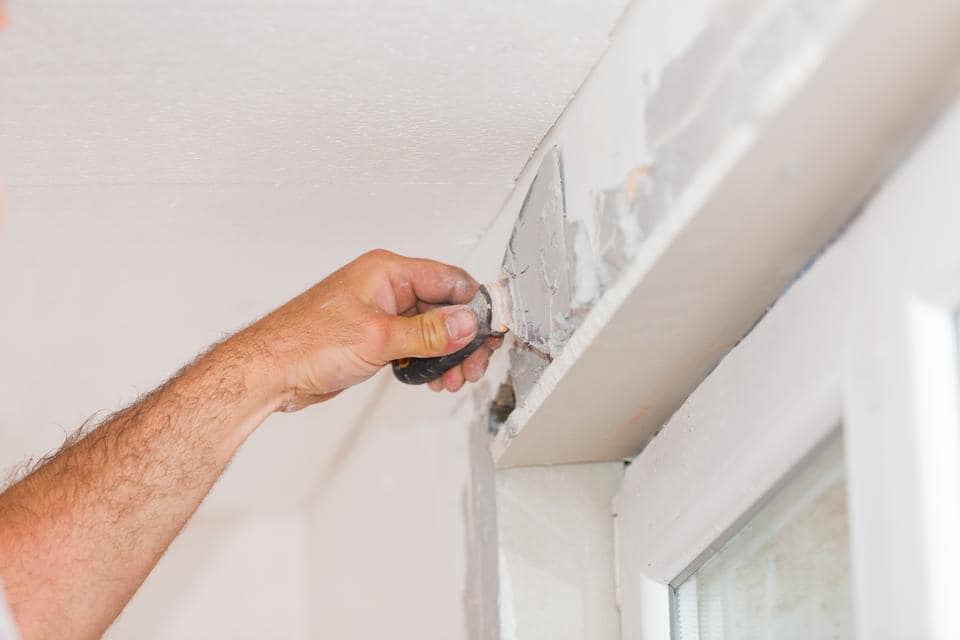
Once the wallpaper is removed, carefully inspect the entire wall surface for damage. Common issues include torn drywall paper, gouges from scraping tools, adhesive residue, bubbled or delaminated areas, and water damage from steam removal. Minor damage like small tears and adhesive residue can often be addressed with primer and a skim coat. However, if the drywall paper is extensively torn, or if the gypsum core is exposed or crumbling, those sections may need to be cut out and replaced with new drywall. A professional drywall contractor can quickly assess the damage and recommend the most efficient repair approach.
Skim Coating: The Key to Smooth Walls
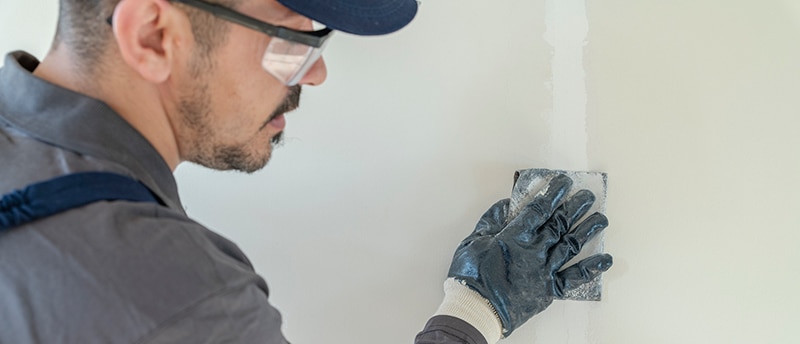
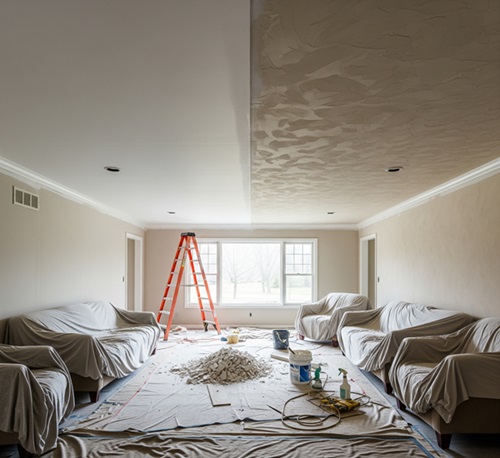
Skim coating is the most common technique for restoring drywall after wallpaper removal. This process involves applying a thin layer of joint compound over the entire wall surface, then sanding it smooth once dry. Most walls require two to three skim coats to achieve a perfectly smooth finish. Before skim coating, it's essential to seal any torn drywall paper with a primer-sealer like Gardz or shellac-based primer — skipping this step will cause the joint compound to bubble and fail. Professional drywall contractors use wide taping knives and specialized techniques to achieve a flawless skim coat in less time than DIY methods.
Priming and Preparing for Paint
After skim coating and sanding, the walls need proper priming before paint. Use a high-quality drywall primer to seal the skim coat and create a uniform surface for paint adhesion. This step is critical because skim-coated surfaces absorb paint differently than untouched drywall, which can cause visible differences in sheen and color. Apply primer with a roller for even coverage and inspect the walls under angled lighting to catch any remaining imperfections. A final light sanding after priming ensures the smoothest possible surface for your finish paint.
When to Call a Professional
While minor wallpaper damage can be a DIY project, extensive damage is best left to professional drywall contractors. If more than 25% of the wall surface has torn paper, if the drywall is water-damaged or moldy, or if you need a Level 5 smooth finish, professional repair will save you time and deliver superior results. Professionals have the tools, materials, and experience to complete the job efficiently and ensure your walls look brand new. At Fast Fix Drywall Repair, we specialize in post-wallpaper drywall restoration and can transform your damaged walls into a perfect canvas for paint.
Need Professional Drywall Help?
Contact Fast Fix Drywall Repair for a free estimate on your next project.
Get a Free QuoteLooking for drywall repair services in your area? Browse our full service directory by city.