A plumbing leak behind the wall can destroy drywall from the inside out. Prompt identification and proper repair are critical to preventing structural and mold damage.
How Plumbing Leaks Destroy Drywall Silently
Plumbing leaks are among the most destructive forces your drywall can face, largely because they often go undetected for weeks or months. A supply line with a pinhole leak can release water slowly into a wall cavity, saturating insulation and wetting the back side of drywall panels without producing any visible sign on the front of the wall. Drain connections that seep only when the fixture is in use create intermittent moisture that is even harder to trace. By the time water stains, bubbling paint, or soft spots appear on the wall surface, the damage behind it can be extensive. Homeowners in [Indianapolis](/locations/indiana/indianapolis) and [Fort Wayne](/locations/indiana/fort-wayne) frequently discover significant hidden damage when they open a wall to investigate a minor stain, only to find that the leak has been active far longer than they suspected.
Identifying the Source Before You Repair
The most important rule of plumbing-related drywall repair is simple: fix the leak first. Repairing or replacing drywall without correcting the underlying plumbing problem guarantees that the damage will return. Identifying the source of a leak can be straightforward or surprisingly difficult depending on the plumbing layout. Water follows gravity but can also travel along framing members, pipes, and wiring before dripping onto drywall in a location far from the actual leak. A stain on a first-floor ceiling may originate from a second-floor bathroom connection several feet away. If the source is not immediately obvious, a plumber with leak detection equipment can locate it without unnecessary wall demolition. Once the plumbing is repaired and verified, the drywall work can begin with confidence that the repair will last.
Assessing the Full Scope of Damage
Plumbing leak damage is almost always worse than it looks from the outside. A water stain the size of a dinner plate on a ceiling may represent a much larger area of saturation on the back side of the panel. The standard approach is to probe around the visible damage with a moisture meter to map the full extent of wet material. Any drywall that reads above normal moisture levels needs to come out, even if it still looks acceptable from the front. This is not overly cautious — it is practical. Drywall that has been wet and then dried is permanently weakened, and the mold that likely established during the wet period will continue to grow even after the surface appears dry. In areas like [Evansville](/locations/indiana/evansville) and [South Bend](/locations/indiana/south-bend), where older homes often have galvanized steel plumbing that corrodes from the inside, leak-related drywall damage is a common repair scenario that our team handles regularly.
Removing Damaged Drywall Properly
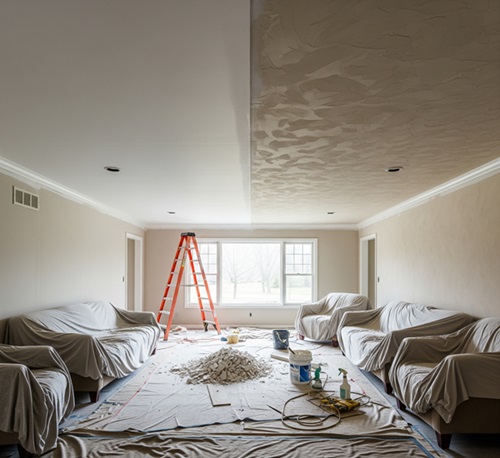
Once the scope of damage is established, the affected drywall is removed by cutting back to the nearest studs or joists on all sides of the damaged area. This provides clean edges for attaching new panels and ensures that all compromised material is eliminated. The wall or ceiling cavity is then thoroughly inspected. Wet insulation must be removed — fiberglass insulation that has been saturated loses its insulating value and supports mold growth. The framing is examined for signs of rot, mold, or structural compromise and treated or replaced as needed. Everything inside the cavity must be completely dry before new drywall is installed. Using fans and dehumidifiers to accelerate drying is standard practice, and moisture meter readings should confirm that framing is below 15 percent moisture content before the cavity is closed up.
Installing New Panels and Finishing
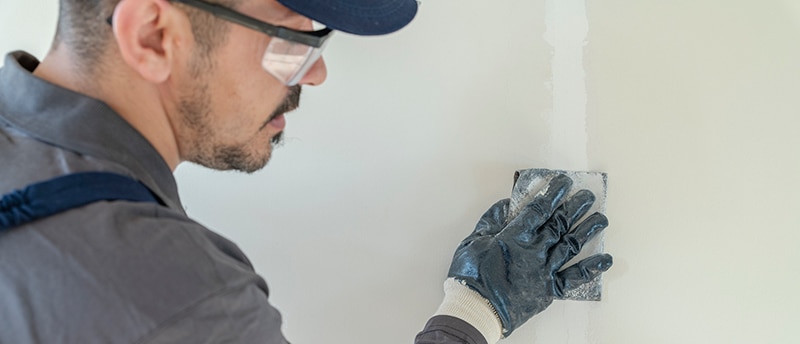
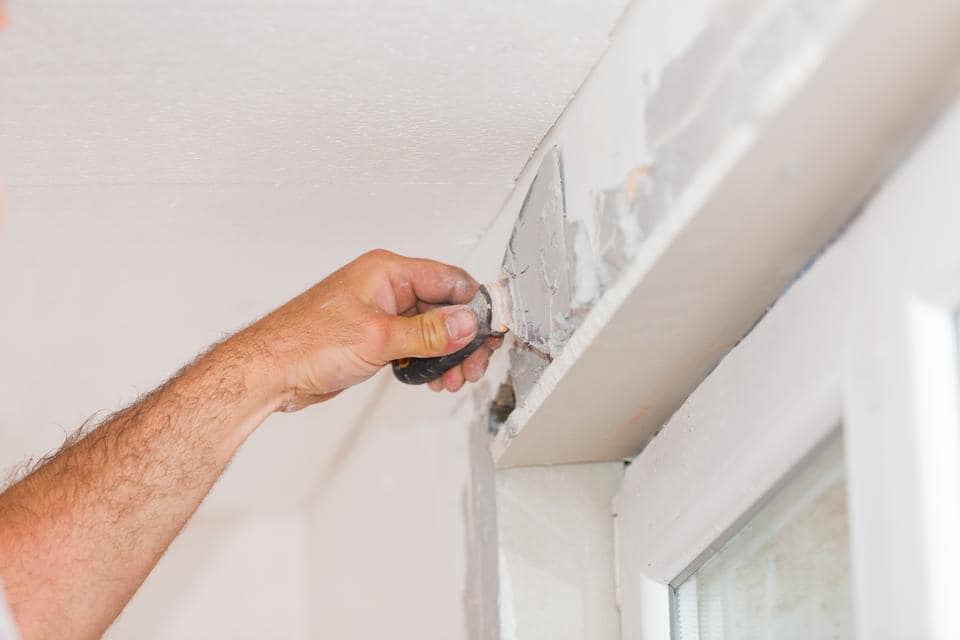
With the cavity clean and dry, new drywall is cut to fit the opening and secured to the framing with drywall screws. For ceiling repairs, it is especially important to use the correct screw spacing and to drive screws into the center of the joist for secure attachment — ceiling panels that pull away from the framing create sags that are difficult and expensive to fix later. The seams between new and existing panels are taped and finished with joint compound in multiple coats, with sanding between each coat. Our [drywall repair](/services/drywall-repair) team matches the existing wall texture so the repaired area blends seamlessly with the surrounding surface. After priming and painting, a properly executed repair is completely invisible.
Preventing Future Leak Damage
After investing in drywall repair, taking steps to prevent future plumbing-related damage is well worth the effort. Install water leak detectors near water heaters, washing machine connections, and under sinks — these inexpensive devices alert you to leaks before they cause significant damage. Have your plumbing inspected periodically, especially in older homes with aging supply lines and drain connections. If your home has galvanized steel or polybutylene plumbing, consider proactive replacement before a failure occurs. Maintain proper water pressure — excessively high pressure accelerates wear on connections and valves. Homeowners in [Bloomington](/locations/indiana/bloomington) and throughout the region can prevent the majority of plumbing-related drywall damage by catching leaks early and addressing them promptly.
Need Professional Drywall Help?
Contact Fast Fix Drywall Repair for a free estimate on your next project.
Get a Free QuoteLooking for drywall repair services in your area? Browse our full service directory by city.