Those small bumps pushing through your drywall surface are screw pops — a common problem with a straightforward permanent fix when done correctly.
What Causes Screw Pops in Drywall
Screw pops and nail pops are among the most common drywall defects, and understanding their cause explains why they tend to appear in clusters and recur after repair. The primary cause is lumber shrinkage: framing lumber installed at a moisture content above 19 percent will shrink as it dries to equilibrium with indoor conditions, typically reaching 8 to 12 percent moisture content over the first year or two. As the stud shrinks, it pulls away from the back of the drywall panel, but the screw or nail stays put — creating a bump on the wall surface as the compound covering the fastener head cracks and pushes outward. This is why new construction homes commonly develop screw pops during the first heating season, and why homes in [Minneapolis](/locations/minnesota/minneapolis) and [Saint Paul](/locations/minnesota/saint-paul) see them frequently after the first winter, when the heating system drives moisture out of the framing rapidly.
Why Simply Redriving the Popped Fastener Does Not Work
The instinct when a screw pops is to grab a screwdriver and drive it back in. This provides a temporary fix at best. The screw is popping because the wood around it has shrunk, so the original hole is now slightly oversized and the screw's holding power is compromised. Redriving the screw into the same hole — even with additional force — does not restore the original grip. The screw will work its way out again during the next expansion-contraction cycle. Similarly, simply applying more joint compound over a popped fastener without addressing the underlying fastener failure means the bump will telegraph through the new compound within months.
The Correct Permanent Repair Method
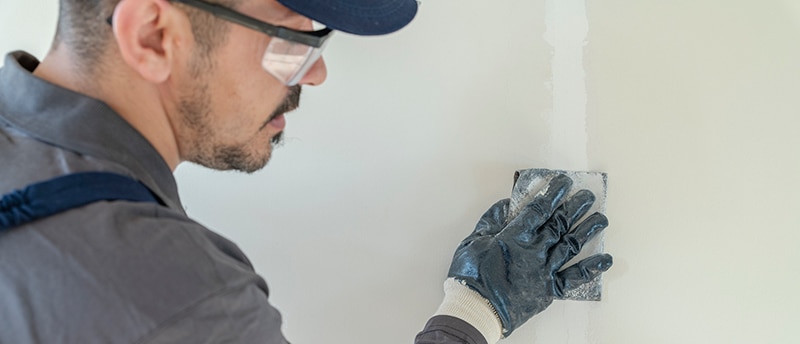
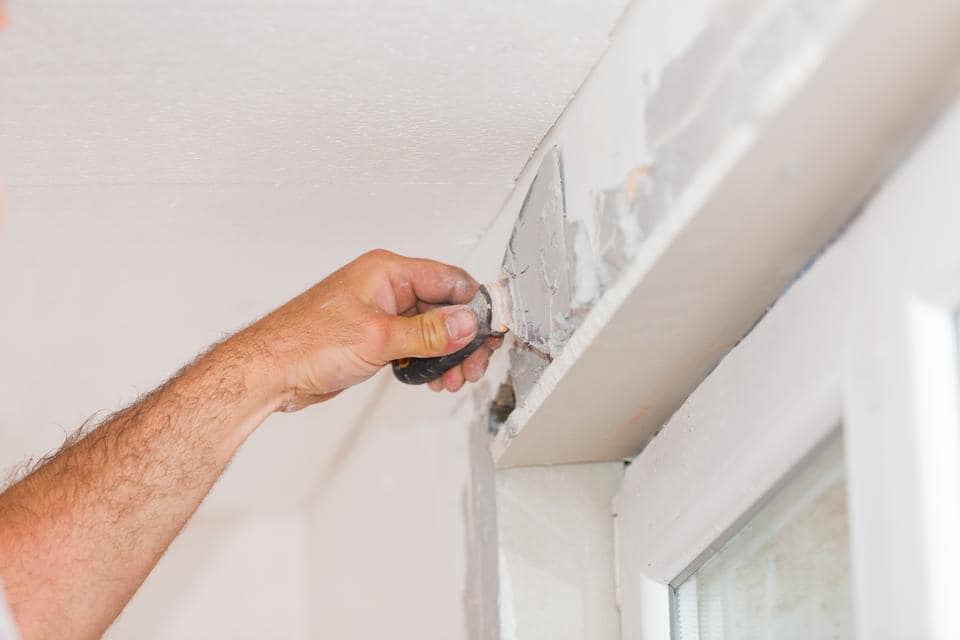
The permanent fix for a screw pop involves three steps. First, drive a new drywall screw approximately two inches above and two inches below the popped fastener, pulling the panel tight against the framing at those points. These new screws in fresh wood provide the holding power that the original fastener has lost. Second, remove the popped screw entirely — back it out and discard it. If it is a nail, drive it below the surface with a nail set, or pull it out if possible. Third, apply joint compound over all three spots — the two new screws and the old hole — in two or three thin coats with sanding between each. Our [drywall repair](/services/drywall-repair) team in [Rochester](/locations/minnesota/rochester) and [Bloomington](/locations/minnesota/bloomington) uses this technique on every screw pop repair to ensure the fix is permanent.
Addressing Widespread Screw Pops Efficiently
When screw pops appear across an entire room or throughout a home — common in the first two years after new construction — a systematic approach is far more efficient than fixing them one at a time. Walk through every room and mark each pop with a small piece of painter's tape. Then make a single pass through the house driving supplemental screws at each marked location and removing or setting the popped fasteners. Follow with compound application across all repair points at once, allowing everything to dry together. Sand all points in a single pass and apply a second coat. This batched approach takes a fraction of the time that individual repairs would require. Homeowners in [Duluth](/locations/minnesota/duluth) and [Plymouth](/locations/minnesota/plymouth) living in newer homes should consider scheduling a comprehensive screw pop repair visit once the home has been through two full heating seasons, by which time most lumber shrinkage is complete.
Screw Pops in Ceiling Drywall
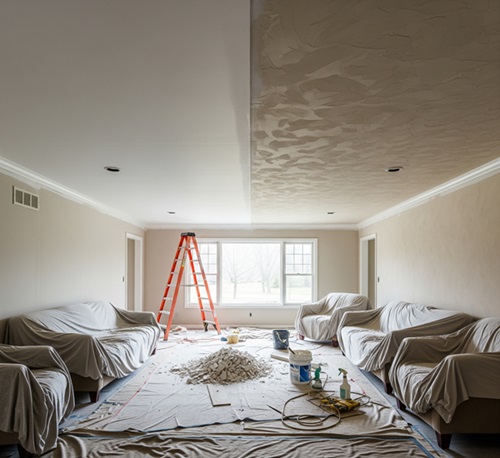
Ceiling screw pops deserve special attention because they combine a cosmetic annoyance with a potential safety concern. Ceiling panels are heavy, and when multiple fasteners lose their grip in the same area, the panel can begin to sag. The weight of the panel then puts additional stress on the remaining fasteners, accelerating the failure. If you notice multiple screw pops on a ceiling accompanied by a slight sag or waviness between joists, address the problem promptly. Drive additional screws into the joists across the entire sagging area — not just at the popped locations — to re-secure the panel before the sag becomes permanent. Ceiling repairs also require more careful finishing because the flat, overhead surface shows imperfections that side-lit walls might conceal.
Preventing Screw Pops in New Construction
If you are building new or renovating, several practices minimize future screw pop problems. Specify kiln-dried lumber for framing — lumber dried to below 15 percent moisture content shrinks significantly less than air-dried stock. Use drywall screws rather than nails — screws have better pullout resistance and are less prone to popping. Apply construction adhesive to the studs before hanging panels, which bonds the panel to the framing and reduces the load on individual fasteners. Use proper screw spacing — every 12 inches on ceilings and every 16 inches on walls as recommended by the gypsum board manufacturers. And allow the home to go through at least one heating season before applying the final coat of paint, so any pops that do develop can be addressed before the finished appearance is established.
Need Professional Drywall Help?
Contact Fast Fix Drywall Repair for a free estimate on your next project.
Get a Free QuoteLooking for drywall repair services in your area? Browse our full service directory by city.