A well-stocked drywall repair toolkit lets you handle minor fixes quickly and confidently. Here is exactly what you need — and what you can skip.
Why Every Homeowner Needs a Drywall Repair Kit
Drywall damage is inevitable in every home. Nail holes from rearranging pictures, doorknob dings, furniture scuffs, settling cracks, and nail pops are the routine wear that comes with living in a space. Having the right tools and materials on hand transforms these small repairs from deferred maintenance that accumulates into quick, five-minute fixes that keep your walls looking fresh. You do not need a professional-grade toolkit — a compact selection of essential items covers 90 percent of typical homeowner repair needs. Homeowners in [Philadelphia](/locations/pennsylvania/philadelphia) and [Pittsburgh](/locations/pennsylvania/pittsburgh) who keep a basic repair kit stocked find themselves addressing small wall damage the same day it occurs rather than adding it to a growing list of things to fix someday.
Essential Hand Tools
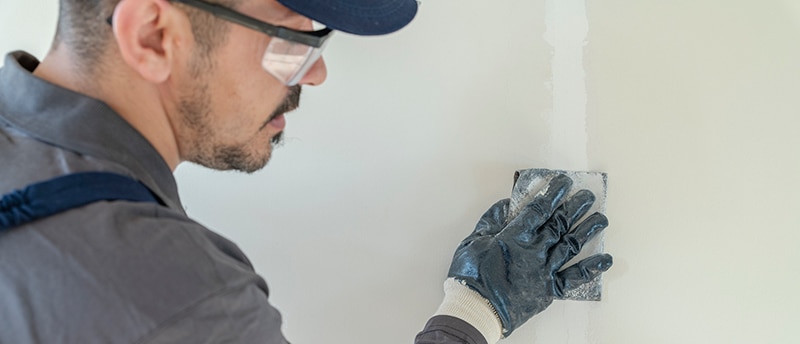
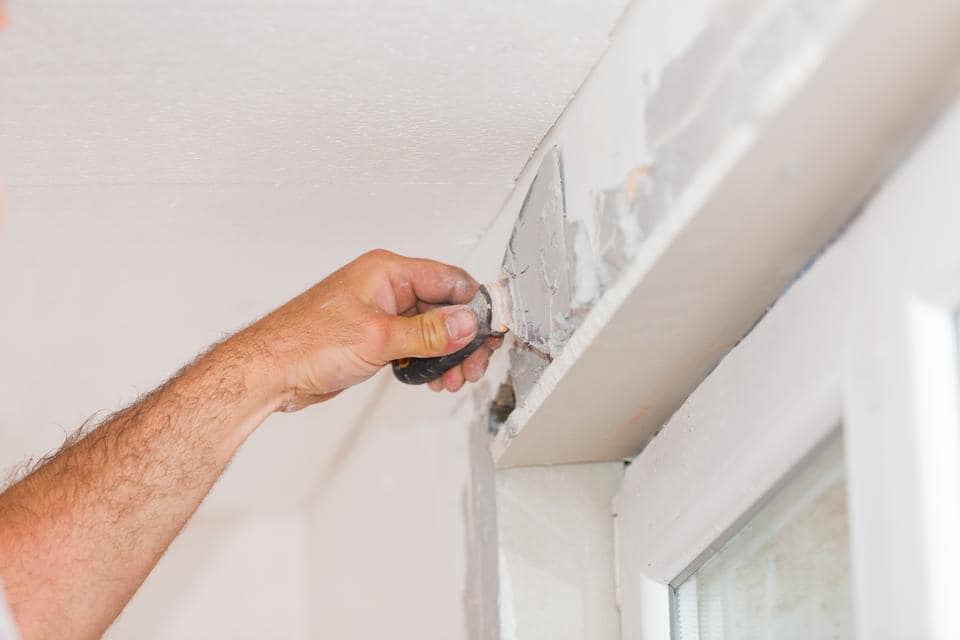
The core of your toolkit requires just a few hand tools. A four-inch putty knife is your primary tool for applying and smoothing compound on small repairs. A six-inch taping knife handles slightly larger patches and provides better feathering. A utility knife with fresh blades cuts tape, scores drywall, and trims patches. A small hand sander or sanding block with 150-grit and 220-grit sandpaper provides the smooth finish that makes repairs invisible. A drywall saw — a small, pointed handsaw designed for cutting drywall — allows you to cut openings and remove damaged sections. These five tools handle the vast majority of homeowner-level drywall repairs and fit in a small toolbox or bucket.
Materials to Keep on Hand
Stock your kit with materials that have a long shelf life and cover common repair scenarios. A pint or quart of pre-mixed lightweight spackle handles small nail holes, dents, and minor surface damage — it dries fast and sands easily. A quart of pre-mixed all-purpose joint compound covers larger repairs that require tape embedding and multiple coats. A roll of fiberglass mesh tape — self-adhesive and easier to use than paper tape — reinforces cracks and larger patches. A few self-adhesive mesh patch kits in different sizes cover holes up to about six inches. A small can of primer-sealer ensures repaired areas accept paint evenly. Our [drywall repair](/services/drywall-repair) team in [Allentown](/locations/pennsylvania/allentown) and [Erie](/locations/pennsylvania/erie) recommends keeping these basics stocked year-round.
Nice-to-Have Upgrades for Better Results
Beyond the essentials, a few additional items improve your repair quality significantly. A 10 or 12-inch finishing knife produces wider, smoother feathering on larger patches. A corner tool applies compound evenly in inside corners. A bright portable work light helps you see surface imperfections during sanding and finishing. A drywall screw gun or drill with a drywall screw setter bit drives screws to the proper depth without over-driving. A stud finder locates framing for secure patch attachment. A moisture meter helps evaluate water-damaged drywall. These tools are not necessary for basic repairs but are worth acquiring if you find yourself doing regular maintenance.
What You Can Skip
Some tools marketed for drywall repair are unnecessary for homeowner-level work. Automatic taping tools — banjos, flat boxes, and corner rollers — are production tools designed for contractors finishing entire homes and are impractical for small repairs. Power sanders designed for drywall create excessive dust and remove material too aggressively for small patches. Texture spray guns are needed only if you are matching heavy wall textures — for spot repairs, aerosol texture cans provide adequate results. Skip the bargain-bin tools that flex, bend, or have rough edges — a quality putty knife and taping knife are worth the modest premium and last for years.
Storing Your Kit and Maintaining Your Materials
Store your repair kit in a convenient, accessible location — if it is buried in the back of the garage, you will not use it. A five-gallon bucket or small toolbox keeps everything together and portable. Seal compound containers tightly after each use to prevent drying — place a sheet of plastic wrap over the compound surface before replacing the lid for extra protection. Replace dried-out spackle and compound rather than trying to reconstitute them with water — the reconstituted material performs poorly. Keep sandpaper dry and replace it when it becomes clogged or worn. Check your kit annually and restock any depleted items. Homeowners in [Reading](/locations/pennsylvania/reading) and [Scranton](/locations/pennsylvania/scranton) who maintain a ready-to-use kit find that prompt small repairs prevent the accumulation of damage that eventually requires professional attention.
Need Professional Drywall Help?
Contact Fast Fix Drywall Repair for a free estimate on your next project.
Get a Free QuoteLooking for drywall repair services in your area? Browse our full service directory by city.