Small drywall holes from nails, screws, and minor impacts are easy to fix with the right approach. Learn which drywall hole filler products work best and how to get invisible results.
Small Drywall Holes Are Everywhere — Here's How to Fix Them
Every home has them — those small holes left behind by picture hooks, shelf brackets, curtain rods, and door stops. While individually minor, multiple unfixed small holes in drywall make walls look neglected and can become a real issue when preparing for a home sale or fresh paint job. The good news? Fixing small holes in drywall is one of the simplest home repairs you can tackle. With the right drywall hole filler and about 30 minutes of work (including drying time), you can make those holes completely disappear. In this guide, we'll cover the best methods and products for repairing small drywall holes — from tiny nail pricks to quarter-sized dings — and explain when upgrading to a professional <a href="/services/drywall-repair">drywall repair service</a> makes sense. Homeowners in <a href="/locations/florida/orlando">Orlando</a> and <a href="/locations/texas/dallas">Dallas</a> deal with these issues year-round, and our teams are always available for quick-fix repair visits.
Choosing the Right Drywall Hole Filler Product
Not all wall hole fillers are created equal. The product you choose depends on the size of the hole, the wall's finish, and how quickly you need the repair done. **Lightweight spackling compound** is the most popular choice for small holes under half an inch. It goes on smooth, dries quickly (often in under an hour), and sands easily to a flat finish. Brands like DAP DryDex (which changes color when dry) are favorites among DIYers. **All-purpose joint compound** is better for slightly larger holes (half-inch to 1 inch) because it provides more body and structural fill than lightweight spackle. It takes longer to dry but offers a stronger repair. **Vinyl spackling paste** splits the difference — it's thicker than lightweight spackle and resists cracking better, making it ideal for holes that are slightly deeper or in high-traffic areas where the wall might get bumped again. **Drywall repair putty and wall patch putty** are newer products designed for ultra-fast repairs. Some set in as little as 10 minutes and can be painted immediately — perfect for last-minute touch-ups before guests arrive. For homeowners in <a href="/locations/colorado/denver">Denver</a> and other areas with dry climates, lightweight spackle is especially effective because it dries quickly in low humidity. In humid regions like <a href="/locations/louisiana/new-orleans">New Orleans</a>, allow extra drying time or opt for quick-set compounds.
Step-by-Step: Filling a Small Nail or Screw Hole
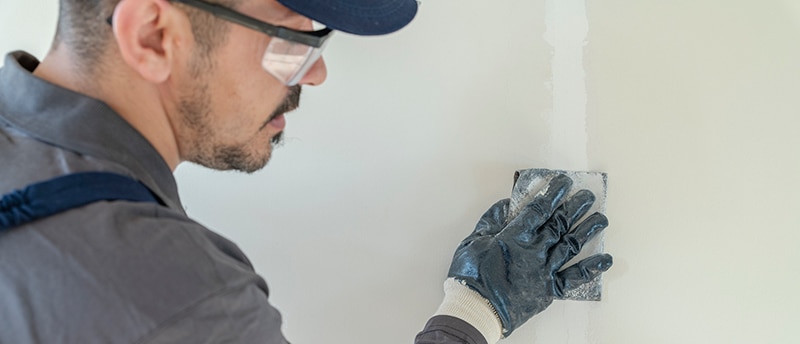
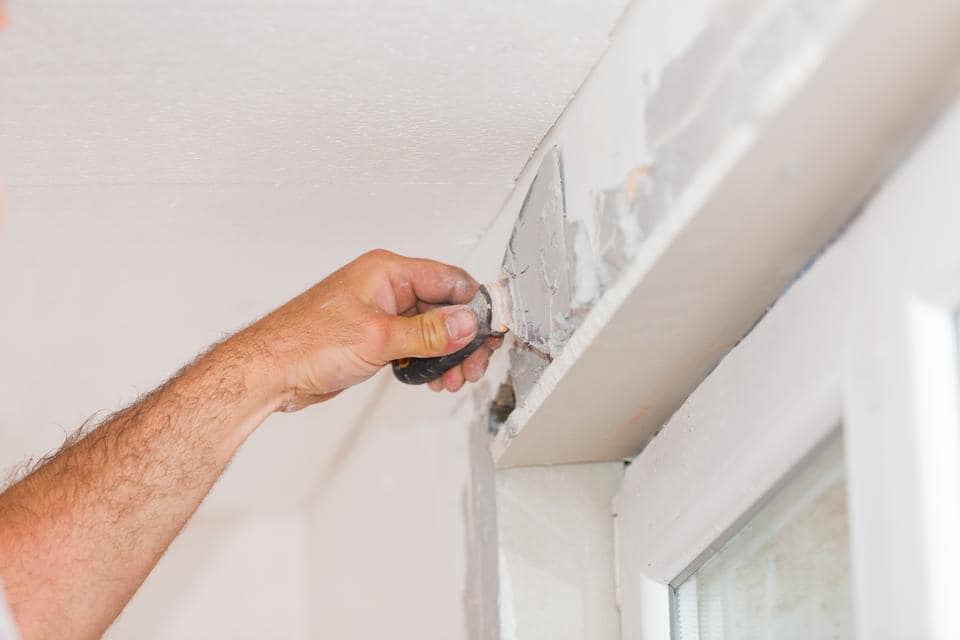
Here's the fastest, most effective method for repairing tiny nail and screw holes in drywall: **Step 1: Remove any fasteners.** Pull out any remaining nails, screws, or wall anchors. If a plastic anchor is in the hole, grip it with pliers and pull straight out. If it breaks, push it slightly below the surface instead. **Step 2: Clear loose material.** Use the handle end of your putty knife or a fingertip to press any raised drywall paper or loose gypsum back into the hole. You want a clean, slightly recessed surface for the filler to grip. **Step 3: Apply the wall hole filler.** Load a small amount of spackle onto a 1.5-inch or 2-inch putty knife. Press it firmly into the hole at a slight angle, then swipe the knife flat across the surface to remove excess. The goal is to fill the hole completely while leaving minimal compound on the surrounding wall. **Step 4: Let it dry.** Follow the manufacturer's recommended dry time. Resist the urge to touch it — even if the surface looks dry, the interior may still be wet, especially in deeper holes. **Step 5: Sand flush.** Once completely dry, lightly sand with 120-grit or 150-grit sandpaper. Use a sanding block or fold the paper around a flat surface for even pressure. Wipe away dust with a damp cloth. **Step 6: Prime and paint.** Apply a thin coat of primer (a small brush works for spot priming), let it dry, then touch up with matching wall paint. Two thin coats of paint typically provide the best coverage and color match. This entire process takes about 30 minutes of active work (plus drying time) and costs virtually nothing — a single container of spackle and a putty knife handle dozens of repairs.
Repairing Slightly Larger Small Holes (Quarter-Sized to Golf Ball)
When a hole is bigger than a nail hole but smaller than your fist — think doorknob impacts, small anchor holes, or accidental bumps — you'll need a slightly different approach. For holes between 1 and 3 inches, consider using a self-adhesive mesh patch. These patches are available in small sizes (2x2 inch and 4x4 inch) at any hardware store and provide the structural backing that spackle alone can't offer for holes this size. **Application method:** 1. Clean the area and ensure the surrounding drywall surface is smooth and free of loose material. 2. Peel the backing off the mesh patch and center it over the hole, pressing firmly so the adhesive grips the wall. 3. Apply a thin coat of joint compound over the entire patch using a 4-inch or 6-inch drywall knife. Extend the compound at least 1 inch beyond the patch edges in all directions. 4. Let dry, then apply a second coat, feathering the edges wider for a smooth transition. 5. Sand, prime, and paint. The mesh patch method bridges the gap between simple spackle fills and full drywall patch repairs, making it the ideal solution for the "in-between" holes that are too big for filler alone but don't require cutting new drywall. If you have multiple medium holes or if the damage is in a prominent area of your home, our professional repair teams deliver invisible results every time.
Wall Hole Filler Tips for Different Wall Surfaces
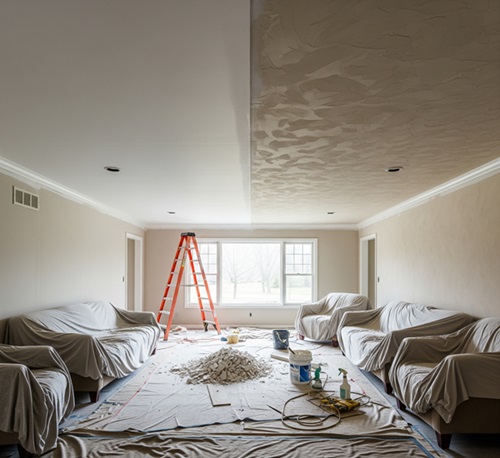
The type of wall surface affects how you should approach your repair: **Smooth walls:** These are the easiest to patch because there's no texture to match. Focus on getting the spackle perfectly flush and sanding it smooth. Any slight ridge or depression will be visible under paint. **Orange peel texture:** After patching and sanding, you'll need to replicate the subtle bumpy texture. Light passes with a spray-can texture product (available at hardware stores) can approximate orange peel, but matching exactly takes practice. **Knockdown texture:** This is harder to DIY. After the patch is smooth and primed, apply joint compound with a texture roller or hopper, let it begin to set, then lightly flatten the peaks with a wide knockdown knife. Practice on cardboard first. **Popcorn texture:** Matching popcorn texture on a small patch is notoriously difficult. Spray-on popcorn texture products exist, but results vary. For ceiling popcorn patches in particular, many homeowners in <a href="/locations/nevada/las-vegas">Las Vegas</a> and <a href="/locations/ohio/columbus">Columbus</a> choose professional repair to ensure the patch blends seamlessly. Regardless of texture type, always prime the patched area before attempting texture application. Raw spackle and joint compound absorb moisture from texture products differently than primed surfaces, leading to inconsistent results.
When Small Holes Signal Bigger Problems
Sometimes what looks like a simple small hole is actually a symptom of a larger issue: **Recurring cracks around patches** may indicate foundation settling or structural movement. If you keep patching the same cracks and they return, it's worth having a professional assess the underlying cause. **Soft, crumbly drywall around holes** can signal moisture problems. If the drywall feels spongy or you notice discoloration around the hole, there may be a leak behind the wall that needs addressing before any cosmetic repair. **Clusters of nail pops** (small circles where nail heads push through the surface) often indicate that the drywall wasn't properly secured to studs during original installation. While individual nail pops are easy to fix, widespread popping may warrant a professional evaluation. Our experienced technicians can identify these warning signs and provide the right solution — whether that's a simple wall patch or a more comprehensive drywall repair. We serve homeowners across all 50 states with honest assessments and transparent pricing. <a href="/#contact">Contact us</a> for a free estimate on any drywall repair project, no matter how small.
Need Professional Drywall Help?
Contact Fast Fix Drywall Repair for a free estimate on your next project.
Get a Free QuoteLooking for drywall repair services in your area? Browse our full service directory by city.