Water stains on drywall are never just cosmetic. They indicate moisture that may be causing hidden damage behind the wall. Proper diagnosis comes before repair.
What Water Stains Tell You About Your Home
A water stain on drywall is a symptom, not a diagnosis. The brown or yellowish discoloration that appears on walls and ceilings is caused by minerals and impurities dissolved in water that are deposited on the drywall surface as the water evaporates. The critical question is not how to cover the stain but where the water came from and whether it is still active. An old, dry stain from a one-time event — like a toilet overflow that was immediately cleaned up — is fundamentally different from a stain that is growing, recurring, or accompanied by soft drywall. Homeowners in [Jackson](/locations/mississippi/jackson) and [Gulfport](/locations/mississippi/gulfport), where high humidity and severe weather create frequent moisture challenges, should treat every water stain as an investigation opportunity rather than a simple paint problem.
Determining Whether a Stain Is Active or Old
The first step in evaluating a water stain is determining whether it represents an active leak or a historical event. Touch the stained area — if it feels damp, cool, or soft, the moisture source is likely still active. Use a moisture meter for a definitive reading. Check the stain size against any photographs or memory of its previous appearance — a growing stain clearly indicates ongoing water intrusion. Look for secondary clues: peeling paint, bubbling tape, musty odor, or visible mold around the stain all suggest active moisture. If the stain is dry, hard, and has not changed in size, the original moisture event may have been resolved. However, even an apparently old stain warrants investigation if you do not know its cause, because the source could be an intermittent leak that only activates during rain, high-humidity periods, or specific plumbing usage patterns.
Finding the Water Source
Tracing a water stain to its source can be straightforward or surprisingly complex. Ceiling stains directly below a bathroom often trace to a leaking toilet seal, tub drain, or shower pan. Stains below a roof line or in upper-story ceilings typically indicate roof leaks, flashing failures, or ice dam issues. Wall stains near windows may come from failed window seals or flashing. Stains that appear during or after rain point to exterior water intrusion. Stains that appear regardless of weather suggest plumbing leaks. The tricky cases are stains caused by condensation, which can be difficult to distinguish from leak-driven stains. In [Hattiesburg](/locations/mississippi/hattiesburg) and [Biloxi](/locations/mississippi/biloxi), where the combination of coastal humidity and hurricane-season storms creates multiple potential moisture sources, professional moisture assessment is often the most efficient path to identifying the root cause.
Repairing Stained Drywall After the Source Is Fixed
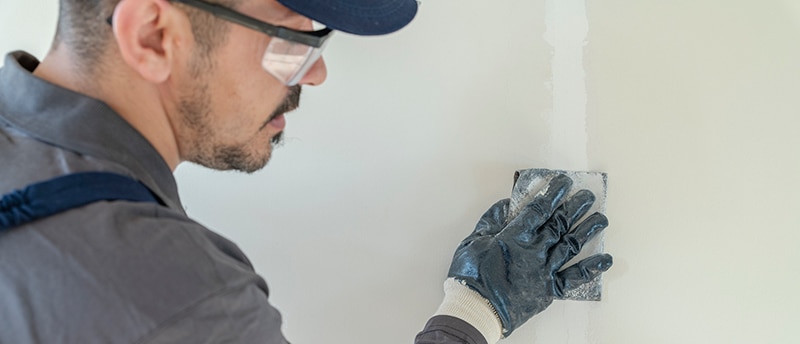
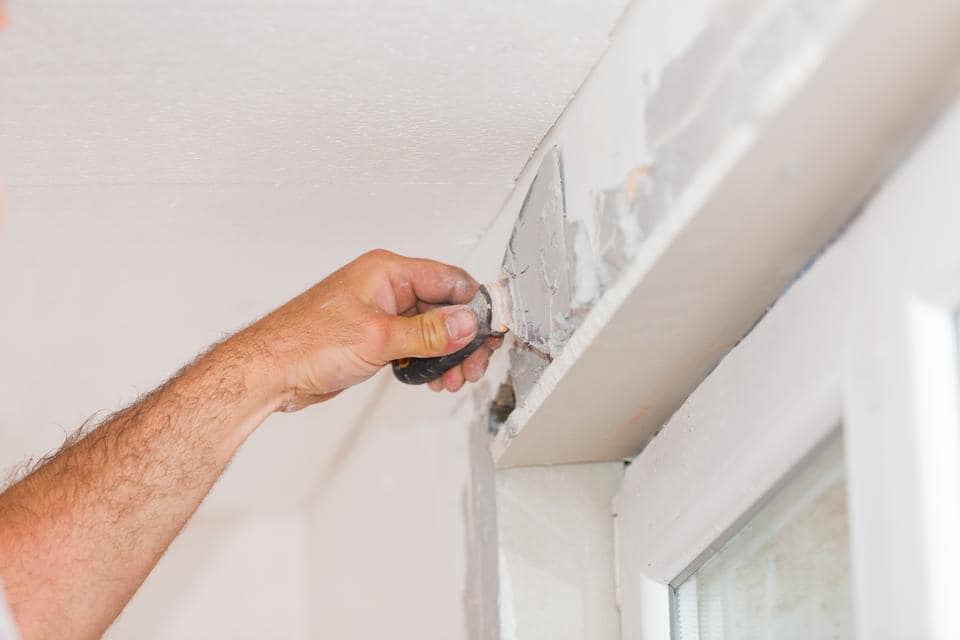
Once the water source is identified and corrected, the drywall repair can proceed. For stains where the drywall is still structurally sound — firm to the touch, not soft or crumbly — the repair is primarily cosmetic. Apply a stain-blocking primer (shellac-based or pigmented shellac primers are most effective) over the stain to prevent the discoloration from bleeding through new paint. Standard latex primer will not block water stains — the minerals that cause the discoloration will migrate through latex coatings and reappear. After the stain-blocking primer dries, apply your finish coat of paint. For stains where the drywall has been compromised — soft, sagging, delaminated, or showing mold — the affected material must be removed and replaced. Our [drywall repair](/services/drywall-repair) team assesses every stain to determine whether a cosmetic seal or full panel replacement is the appropriate repair.
Ceiling Stain Repair Challenges
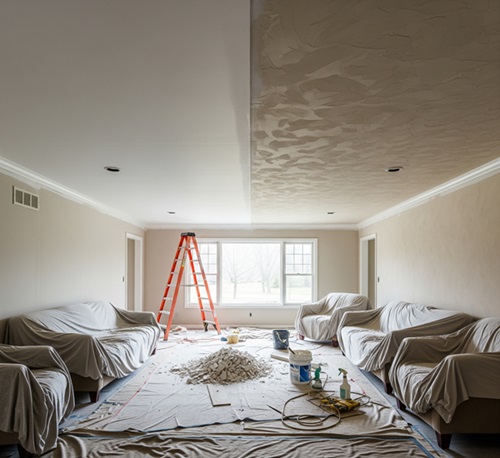
Ceiling water stains present unique challenges compared to wall stains. Gravity means that water reaching the ceiling has often traveled some distance from its source — a ceiling stain does not necessarily mean the leak is directly above it. Water can travel along joists, pipes, and wiring before dripping onto the ceiling panel at a point far from the actual entry point. Ceiling drywall that has been saturated is prone to sagging under its own weight, especially if the panel was fastened with nails rather than screws. Heavy water-logged panels can collapse without warning, creating a safety hazard. If a ceiling panel is visibly sagging, stay clear of the area until it can be assessed. In [Southaven](/locations/mississippi/southaven) and surrounding areas, we recommend professional assessment for any ceiling stain accompanied by sagging, as the panel may need to be supported or removed before investigation can safely proceed.
Preventing Water Stains from Recurring
After investing in stain repair, preventing recurrence protects your investment. Regular roof inspections, especially after storms, catch potential leak points before water reaches interior surfaces. Maintaining caulk around windows, door frames, and exterior penetrations prevents wind-driven rain from entering wall cavities. Monitoring plumbing connections under sinks, behind toilets, and at washing machine hoses catches slow leaks early. Ensuring adequate attic ventilation and insulation prevents the condensation that causes winter ceiling stains. Installing water leak detectors near water heaters, HVAC units, and washing machines provides early warning of leaks before they cause visible staining. These preventive measures are simple, inexpensive, and dramatically reduce the likelihood of future water stain damage to your walls and ceilings.
Need Professional Drywall Help?
Contact Fast Fix Drywall Repair for a free estimate on your next project.
Get a Free QuoteLooking for drywall repair services in your area? Browse our full service directory by city.