Mold growing behind drywall is a hidden threat that affects air quality and structural integrity. Early detection and proper removal are essential for a healthy home.
The Hidden Danger Lurking Behind Your Walls
Mold does not need much to thrive — just moisture, warmth, and an organic food source. The paper facing on standard drywall provides an ideal growing medium, and the dark, still air inside wall cavities creates a perfect incubation environment. What makes mold behind drywall particularly dangerous is that it can grow extensively before anyone in the home realizes it is there. Unlike surface mold on bathroom tiles that you can see and clean, mold colonies behind walls can spread across entire stud bays without any visible indication on the front of the wall. By the time discoloration, odors, or health symptoms alert you to the problem, the contamination may be significant. Homeowners in [Philadelphia](/locations/pennsylvania/philadelphia) and [Pittsburgh](/locations/pennsylvania/pittsburgh), where older housing stock and seasonal humidity create ideal conditions for hidden mold, should be especially vigilant about the warning signs.
Warning Signs That Suggest Hidden Mold
Several indicators can alert you to mold growing behind your drywall even when you cannot see it directly. A persistent musty or earthy smell in certain rooms or near specific walls is one of the most reliable early warnings. Allergic reactions — sneezing, congestion, itchy eyes, or respiratory irritation — that worsen when you are in a particular room and improve when you leave suggest airborne mold spores. Visible water stains on walls or ceilings, even old ones that appear dry, indicate that moisture was present long enough for mold to establish. Warping, bubbling, or soft spots in the drywall surface point to ongoing moisture problems. If you notice dark spots bleeding through fresh paint, that is often mold growing on the back side of the panel and producing enough discoloration to show through. Any combination of these signs warrants further investigation.
How Mold Gets Behind Drywall
Mold behind drywall almost always traces back to a moisture source. The most common culprits include slow plumbing leaks from supply lines, drain connections, or fixture seals hidden inside the wall cavity. Roof leaks and inadequate flashing allow rainwater to travel down through wall cavities, wetting the back side of drywall panels. Condensation forms on cold surfaces when warm, humid interior air contacts poorly insulated exterior walls — a common problem in [Allentown](/locations/pennsylvania/allentown) and [Erie](/locations/pennsylvania/erie) during winter months. Flooding events, whether from weather or plumbing failures, can saturate wall cavities and leave residual moisture that supports mold growth for weeks or months. Even chronically high indoor humidity without a specific leak can create enough condensation inside walls to trigger mold growth over time.
Health Risks of Mold Exposure
Mold exposure affects different people in different ways, but the health risks are well-documented. Common symptoms include nasal congestion, throat irritation, coughing, wheezing, eye irritation, and skin rashes. People with asthma may experience more frequent and severe attacks. Those with compromised immune systems, chronic lung conditions, or mold allergies face more serious risks, including lung infections and systemic allergic reactions. Children and elderly individuals are particularly vulnerable. The longer the exposure continues, the more likely symptoms are to develop and intensify. This is why identifying and removing hidden mold is not just a property maintenance issue — it is a health and safety priority that should be addressed promptly once suspected.
Safe Mold Removal and Drywall Replacement
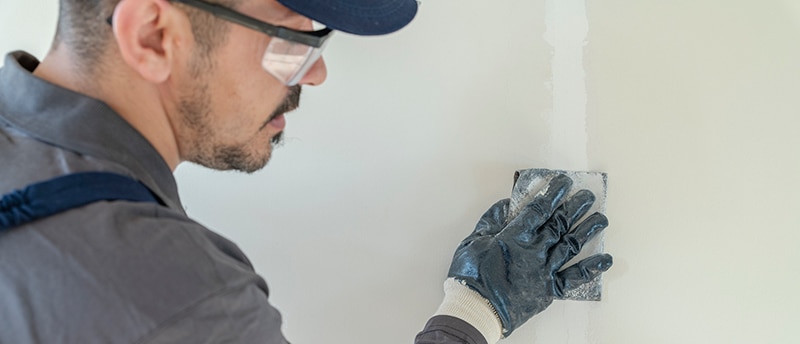
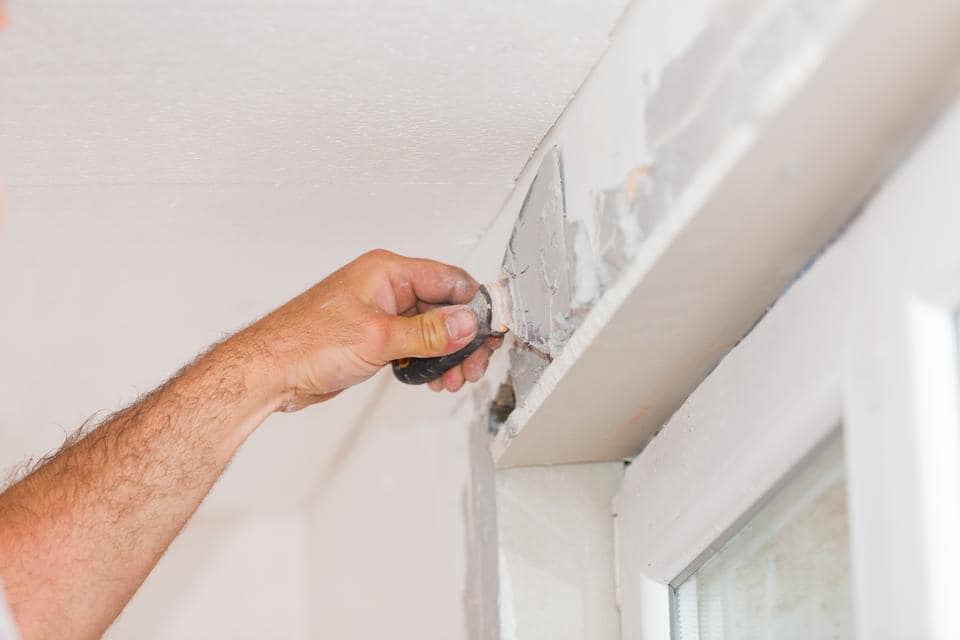
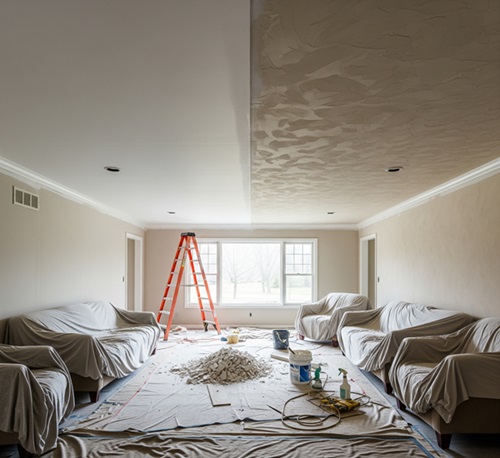
Removing mold-contaminated drywall is not a standard repair job — it requires specific containment and safety protocols. The affected area should be isolated with plastic sheeting to prevent mold spores from spreading to other parts of the home during removal. Workers should wear appropriate personal protective equipment including N95 respirators, gloves, and eye protection. The contaminated drywall is cut out at least two feet beyond the visible mold boundary to ensure all affected material is removed. The exposed framing is inspected, cleaned with an antimicrobial solution, and allowed to dry completely before new panels are installed. Our [sheetrock replacement](/services/sheetrock-replacement) professionals follow established remediation protocols to ensure thorough removal and safe working conditions. For large-scale contamination exceeding 10 square feet, professional remediation by certified specialists is strongly recommended.
Preventing Mold from Returning
Removing mold-damaged drywall solves the immediate problem, but preventing recurrence requires addressing the moisture source that caused the growth in the first place. Repair any plumbing leaks, improve drainage around the foundation, ensure proper attic and roof ventilation, and consider adding vapor barriers in crawl spaces. Maintain indoor humidity below 60 percent — ideally between 30 and 50 percent — using dehumidifiers if necessary. In rooms prone to moisture like bathrooms, kitchens, and laundry areas, use moisture-resistant drywall products and mold-inhibiting paint. Homeowners in [Reading](/locations/pennsylvania/reading) and throughout the region should pay particular attention to basement and ground-floor walls, where soil moisture and temperature differentials make mold a recurring threat. Regular inspection of vulnerable areas catches new problems before they escalate.
Need Professional Drywall Help?
Contact Fast Fix Drywall Repair for a free estimate on your next project.
Get a Free QuoteLooking for drywall repair services in your area? Browse our full service directory by city.