Large holes in drywall — from doorknob impacts to plumbing access — require more than spackle and a putty knife. This guide walks you through professional-grade patching methods.
Why Large Drywall Holes Need a Different Approach
Small nail holes and minor dents can be filled with lightweight spackle in minutes, but once a hole exceeds about three inches in diameter, a simple fill-and-sand approach will not work. Larger openings lack the structural backing needed to support joint compound, and any patch applied without proper reinforcement will eventually crack, sag, or fall out entirely. The good news is that professional-quality large hole repairs are well within reach for most homeowners, provided you use the right materials and technique. Whether the damage came from a doorknob, a furniture collision, or a plumbing access cut, the repair process follows a predictable sequence: create a stable backing, install a drywall patch, tape the seams, and finish with multiple coats of joint compound.
Method One: The California Patch for Medium Holes
The California patch — also called a butterfly patch or hot patch — works well for holes between three and six inches. Cut a piece of new drywall slightly larger than the hole, then score and snap it so you have a piece with the paper face extending about two inches beyond the gypsum core on all sides. Place the gypsum insert into the hole (trimming the hole to fit if necessary) and fold the paper flanges flat against the surrounding wall. Apply a thin coat of joint compound under the flanges to adhere them, then skim the entire area smooth. This method eliminates the need for backing boards or clips and creates a strong, seamless repair. Homeowners in [Miami](/locations/florida/miami) and [Orlando](/locations/florida/orlando) frequently use this technique for quick repairs after hurricane season, when flying debris and water pressure can punch holes through interior walls.
Method Two: Backing Board Technique for Larger Openings
For holes larger than six inches, a backing board provides the structural support a California patch cannot. Cut a piece of thin plywood or a strip of drywall slightly longer than the hole but narrow enough to fit through the opening. Insert it behind the wall and secure it with drywall screws driven through the face of the surrounding drywall. The backing board now bridges the gap and gives you a solid surface to attach a drywall patch. Cut a new piece of drywall to fit the hole precisely, screw it to the backing board, and then tape and mud the seams as you would a new installation. This is the method most professionals use for damage larger than a fist, and it produces a repair that is structurally identical to the original wall.
Taping and Mudding for an Invisible Finish
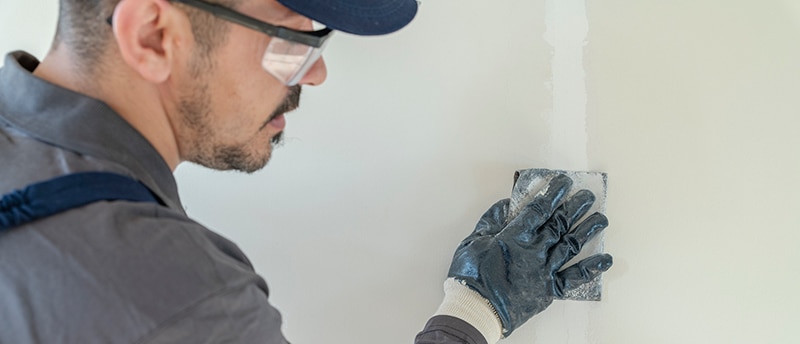
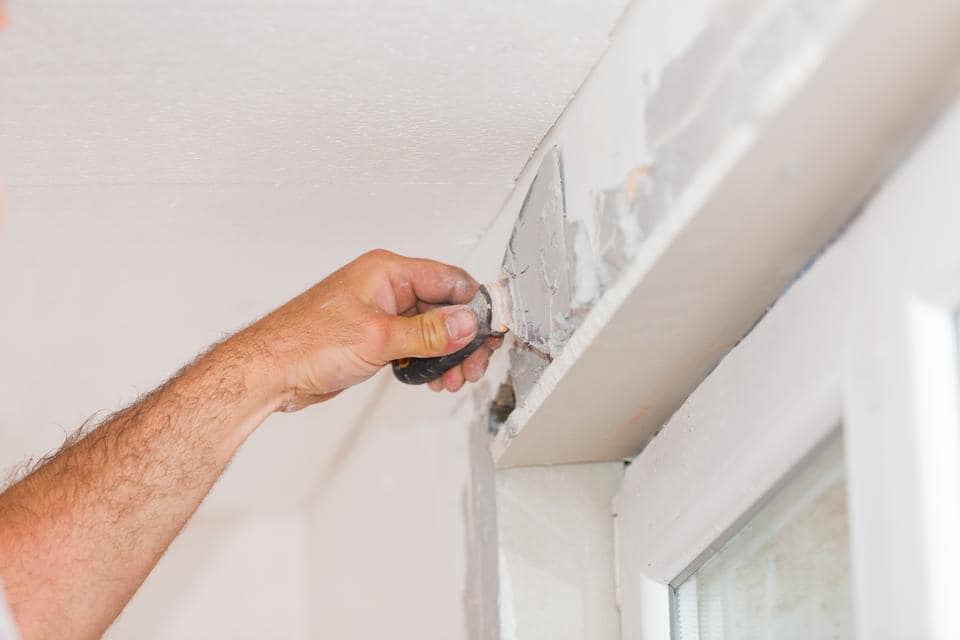
The patching itself is only half the job — the finish work is what separates a visible repair from an invisible one. After the patch is secured, apply paper tape or self-adhesive mesh tape over every seam. Embed the tape in a thin bed coat of joint compound, then allow it to dry completely. Apply a second coat that extends two to three inches beyond the first on each side, feathering the edges to blend with the surrounding wall. After drying, apply a third finishing coat that extends even wider. Sand lightly between coats with 120-grit sandpaper, and use a bright work light held at a low angle to reveal any ridges or imperfections. Homeowners in [Tampa](/locations/florida/tampa) often find that Florida's humidity extends drying times — plan for 24 hours between coats in high-humidity conditions.
Texture Matching After the Patch
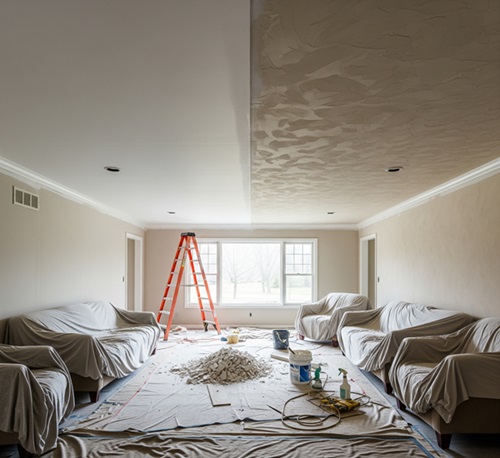
If your walls have any texture — orange peel, knockdown, skip trowel, or popcorn — you will need to replicate that texture over the patched area before painting. For orange peel, thin some joint compound to a pancake-batter consistency and apply it with a spray hopper or an aerosol texture can. Knockdown texture requires spraying the compound and then lightly dragging a drywall knife across the surface after it begins to set. Practice on a piece of cardboard first to match the pattern size and density. Getting the texture right is arguably the hardest part of the entire repair, and it is the reason many homeowners in [Fort Lauderdale](/locations/florida/fort-lauderdale) choose to hire a professional for the finishing stage even if they handle the patching themselves.
Common Mistakes That Ruin a Drywall Patch
The most frequent mistake is using too much compound in a single coat. Thick layers take longer to dry, shrink more as they cure, and are nearly impossible to sand flat. Apply thin coats and build up gradually. Another common error is skipping the tape — without it, the seam between the patch and the existing wall will crack within weeks. Using the wrong type of compound also causes problems: setting-type compound (the powder you mix with water) is best for the first coat because it does not shrink, while pre-mixed all-purpose compound works well for finishing coats. Finally, sanding too aggressively can scuff the paper face of the surrounding drywall, creating a rough spot that will telegraph through paint.
When to Call a Professional for Drywall Hole Repair
While many homeowners can handle a single patch with patience and the right tools, there are situations where professional help makes sense. If you have multiple holes to repair, if the damage extends to the framing behind the wall, or if the wall has a complex texture that is difficult to replicate, our [drywall repair](/services/drywall-repair) specialists can complete the job faster and with a higher-quality finish. We serve homeowners throughout Florida, including [Boca Raton](/locations/florida/boca-raton) and the surrounding communities. Every repair includes texture matching and a satisfaction guarantee, so you can be confident the finished result will be invisible once painted.
Need Professional Drywall Help?
Contact Fast Fix Drywall Repair for a free estimate on your next project.
Get a Free QuoteLooking for drywall repair services in your area? Browse our full service directory by city.