Pets and drywall do not always get along. Scratching, chewing, and moisture damage from pets requires specific repair approaches and preventive strategies.
Common Types of Pet-Related Drywall Damage
Pets cause a distinctive set of drywall problems that any pet owner will recognize. Dogs scratch at doors and walls when anxious or excited, gouging through paint and into the drywall surface. Large dogs can punch holes through drywall with their paws or by running into walls during play. Cats sharpen their claws on wall corners, shredding the paper facing and crumbling the compound over corner bead. Pet urine at the base of walls — from puppies in training or cats marking territory — soaks into the drywall and creates permanent staining, odor, and moisture damage that paint cannot cover. Crate-trained dogs sometimes damage surrounding walls by pushing their crates against the surface. Homeowners in [Baltimore](/locations/maryland/baltimore) and [Annapolis](/locations/maryland/annapolis) with active pets encounter these damage patterns regularly.
Repairing Scratches and Surface Gouges
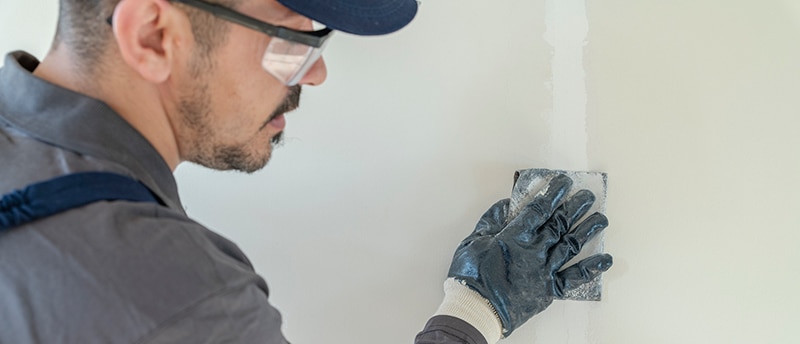
Surface scratches from pet claws that have not penetrated through the paper facing can be repaired with a thin application of lightweight spackle, sanded smooth, and painted. Deeper gouges that tear through the paper facing into the gypsum core require sealing the exposed gypsum with primer before applying compound — raw gypsum absorbs compound unevenly and produces a rough finish. For areas where repeated scratching has shredded the paper facing across a large section, skim coating the entire damaged area provides a more uniform result than trying to patch individual scratches.
Fixing Holes from Impact Damage
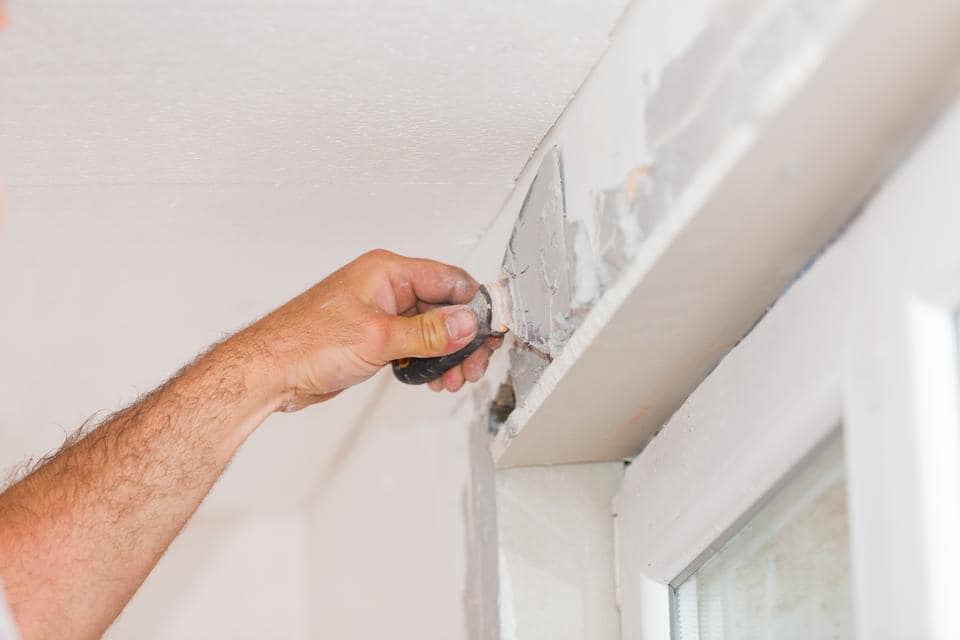
When a large dog creates a hole in the drywall — whether from running into the wall, jumping against it, or pawing through a thin section — the repair follows standard hole-patching technique. Clean the edges of the hole, install a backing piece or use a self-adhesive mesh patch for smaller holes, and build up compound in thin coats with sanding between each. For holes near the floor created by dogs digging at the base of a wall, check the area for moisture damage before patching — anxious dogs often drool or urinate near the area they are scratching, and the moisture damage may extend beyond the visible hole. Our [drywall repair](/services/drywall-repair) team in [Silver Spring](/locations/maryland/silver-spring) and [Rockville](/locations/maryland/rockville) repairs pet damage daily and understands the specific patterns and underlying issues involved.
Addressing Urine Damage at Wall Bases
Pet urine damage at the base of walls is one of the most challenging repairs because the urine soaks into the drywall and the framing behind it, creating odor and staining that cannot be eliminated with surface treatments. The only effective repair is to cut out the affected drywall — typically the bottom 12 to 24 inches — remove any contaminated insulation, clean and seal the exposed framing with an enzymatic odor eliminator and then a stain-blocking primer, and install new drywall. Simply painting over urine-stained drywall traps the odor inside the wall and the stain will eventually bleed through any paint coating. For homes in [Frederick](/locations/maryland/frederick) being prepared for sale, thoroughly addressing pet urine damage is essential — buyers and their inspectors will notice the odor.
Preventing Future Pet Damage
Preventing pet damage to drywall involves both training and physical protection. For scratching-prone areas near doors, install clear acrylic wall panels at pet height — these take the abuse while protecting the drywall behind them. Metal or vinyl corner guards on outside corners prevent cats from shredding corner bead. Wainscoting or chair rail with durable lower panel material provides a beautiful, pet-resistant surface on the lower portion of walls. For crate areas, place the crate away from walls or install a sheet of hardboard behind and beside the crate to absorb contact. Address the behavioral causes of destructive scratching — anxiety, boredom, or insufficient exercise — through training and environmental enrichment to reduce the motivation for wall damage.
Pet Damage and Rental Properties
For renters with pets, drywall damage is the most common source of security deposit disputes. Pet damage is almost never considered normal wear and tear — it is tenant-responsible damage that landlords can deduct from the security deposit. For pet-owning tenants, taking proactive protective measures and repairing any damage before move-out is the best strategy. For landlords, specifying pet-resistant materials in areas where pet damage is common — lower wall panels, corner guards, washable paint finishes — reduces turnover repair costs in pet-friendly units. Homeowners in [Bethesda](/locations/maryland/bethesda) and throughout the region who allow pets in their rental properties find that these preventive investments pay for themselves within a few lease cycles.
Need Professional Drywall Help?
Contact Fast Fix Drywall Repair for a free estimate on your next project.
Get a Free QuoteLooking for drywall repair services in your area? Browse our full service directory by city.