The difference between a professional-looking paint job and an amateur one often comes down to priming. Proper preparation makes paint look better and last longer.
Why Priming Drywall Matters More Than You Think
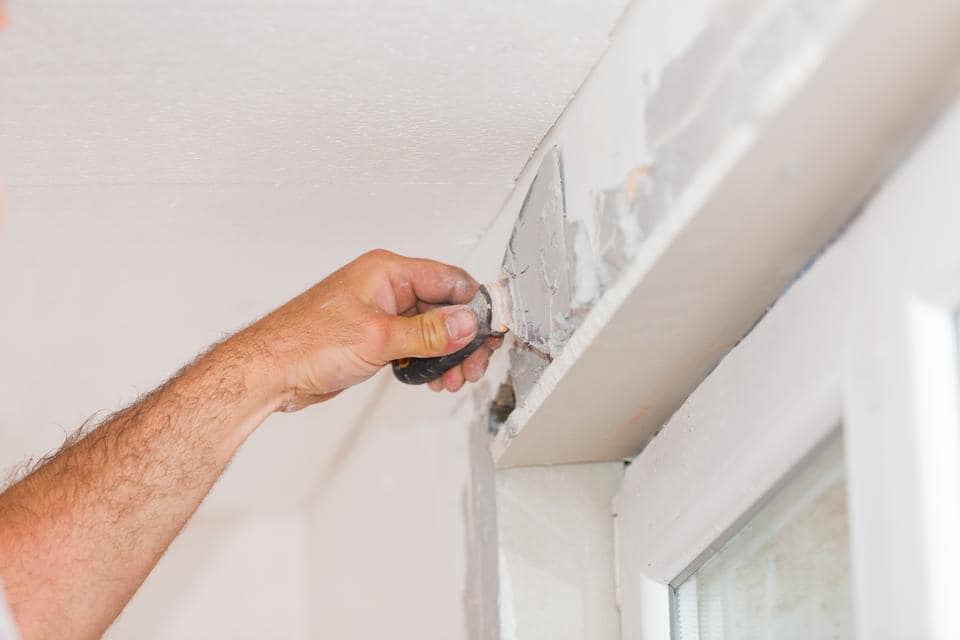
Priming is the most frequently skipped step in drywall painting, and it is also the step that makes the biggest difference in the final result. Bare drywall and joint compound absorb paint at different rates — the compound-covered joints and fastener points are denser and less porous than the bare paper facing between them. Without primer, the first coat of paint soaks unevenly into these different surfaces, producing visible differences in color intensity and sheen. This defect, called flashing or banding, appears as shadowy lines along every joint and around every patch. No amount of additional paint coats fixes the problem because the absorption difference is in the substrate, not the paint. Homeowners in [Philadelphia](/locations/pennsylvania/philadelphia) and [Pittsburgh](/locations/pennsylvania/pittsburgh) who invest in proper priming avoid this frustrating issue entirely.
Choosing the Right Primer for Your Situation
Different drywall situations call for different primers. For new, unpainted drywall, a PVA (polyvinyl acetate) drywall primer is the standard choice — it seals the porous paper facing and compound uniformly, creating a consistent base for topcoats. For repaired areas on previously painted walls, a high-quality latex primer-sealer blends the repaired spots with the existing paint surface. For water stains, smoke damage, or persistent odors, a shellac-based or pigmented shellac primer is essential — latex primers cannot block these stains from bleeding through. For high-humidity areas like bathrooms, a mold-resistant primer provides protection against mold establishment on the painted surface.
Surface Preparation Before Priming
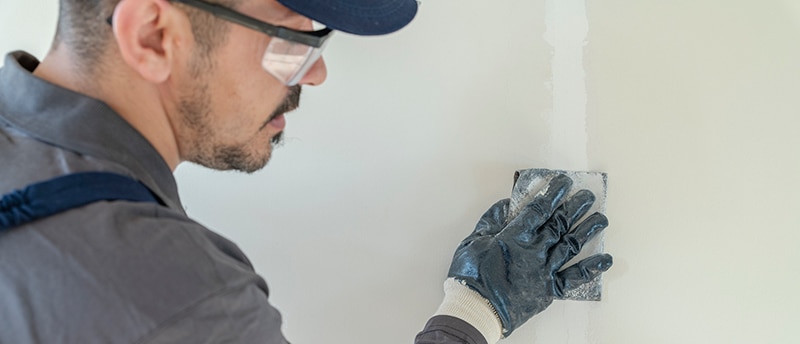
Primer adheres best to a clean, smooth, dust-free surface. After the final sanding of compound, wipe all surfaces with a slightly damp sponge or microfiber cloth to remove sanding dust — a vacuum with a brush attachment works well for large areas. Allow the surface to dry completely after wiping. Inspect the wall under side lighting for any remaining imperfections — small ridges, pinholes, or scratches that will show through paint. Touch up any defects with a thin skim of compound, let it dry, and sand smooth before proceeding. Homeowners in [Allentown](/locations/pennsylvania/allentown) and [Erie](/locations/pennsylvania/erie) preparing newly finished drywall for painting should budget time for this inspection step — finding and fixing small defects before priming is far easier than addressing them after paint is applied.
Application Techniques for Consistent Coverage
Primer should be applied in a consistent, even coat that covers the entire surface uniformly. For large areas, a roller with a three-eighths-inch nap cover provides smooth, even coverage without excessive texture. Cut in around edges, corners, and trim with a brush before rolling the field. Apply enough primer to fully cover the surface in one coat — thin, streaky application defeats the purpose of priming. Avoid over-rolling, which can pull the primer off the surface and create uneven spots. Allow the primer to dry completely according to the manufacturer's instructions before sanding lightly with 220-grit paper and wiping away dust. This light sanding provides tooth for the paint to grip and ensures the smoothest possible finish. Our [drywall finishing and texturing](/services/drywall-finishing-texturing) team includes priming as a standard part of every finishing project, ensuring paint-ready surfaces that deliver professional results.
Special Priming Situations
Several situations require modified priming approaches. When painting over wallpaper adhesive residue that could not be completely removed, an oil-based or shellac-based primer prevents the adhesive from reactivating and causing paint failure. When a previously dark-colored wall is being painted a lighter color, a tinted primer closer to the final color reduces the number of topcoats needed for full coverage. When painting over glossy existing paint, a bonding primer provides the adhesion that topcoat paint cannot achieve on slick surfaces. When dealing with drywall that has been skim-coated, the entire surface should be primed even though it appears uniform — the skim coat may have subtle porosity variations that primer equalizes.
The Payoff: How Proper Priming Transforms the Final Result
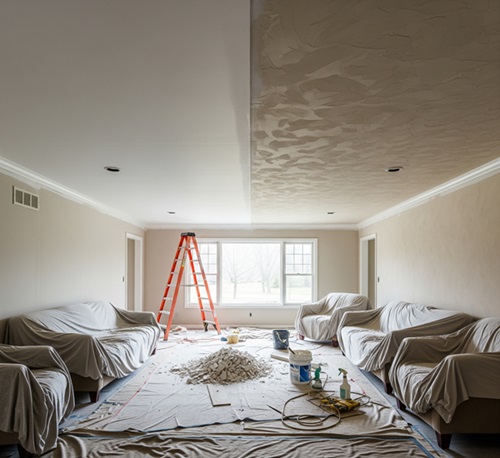
The difference between properly primed and unprimed drywall becomes unmistakably clear when the finish paint goes on. On primed surfaces, paint covers evenly in fewer coats, the color appears rich and uniform across the entire wall, and the sheen is consistent from corner to corner. On unprimed surfaces, the first coat soaks in unevenly, requiring more coats to achieve coverage, and the subtle banding along joints may persist regardless of how many coats are applied. For homeowners in [Reading](/locations/pennsylvania/reading) and [Scranton](/locations/pennsylvania/scranton) preparing walls for sale or simply wanting the best possible appearance, proper priming is the single highest-impact step in the painting process. It costs little in time and materials but transforms the final result from acceptable to truly professional.
Need Professional Drywall Help?
Contact Fast Fix Drywall Repair for a free estimate on your next project.
Get a Free QuoteLooking for drywall repair services in your area? Browse our full service directory by city.