Ice dams are a winter hazard that can send water cascading into your home, damaging ceilings and walls. Prevention and proper repair protect your home year after year.
What Ice Dams Are and How They Damage Your Home
Ice dams form when heat escaping from your living space warms the roof surface above freezing, melting snow that then flows down to the cold eaves where it refreezes into a ridge of ice. As this ice ridge grows, it creates a dam that traps melting water behind it. That water has nowhere to go but under the roof shingles, through the roof deck, and into your attic, ceiling, and walls. The resulting damage can be extensive — water-stained ceilings, saturated insulation, peeling paint, mold growth, and structurally compromised drywall. Homeowners in [Portland](/locations/maine/portland) and [Augusta](/locations/maine/augusta) deal with ice dam damage every winter because the combination of heavy snowfall, cold temperatures, and older housing stock creates ideal conditions for ice dam formation.
Recognizing Ice Dam Damage Inside Your Home
Ice dam damage typically appears on ceilings and upper walls, and the signs may not be immediately obvious. Water stains on the ceiling near exterior walls are the most common indicator. Paint bubbling or peeling on the ceiling or upper walls suggests water has migrated from the attic into the drywall. Ice or frost forming on interior wall surfaces during cold weather indicates severe heat loss and moisture intrusion. Damp or discolored insulation visible in the attic confirms that water is entering through the roof. In severe cases, water may actually drip from ceiling light fixtures or run down interior walls during a warm spell following heavy snow. These signs demand prompt attention — the longer water remains in contact with drywall and framing, the more extensive the damage becomes.
Repairing Ice Dam Drywall Damage
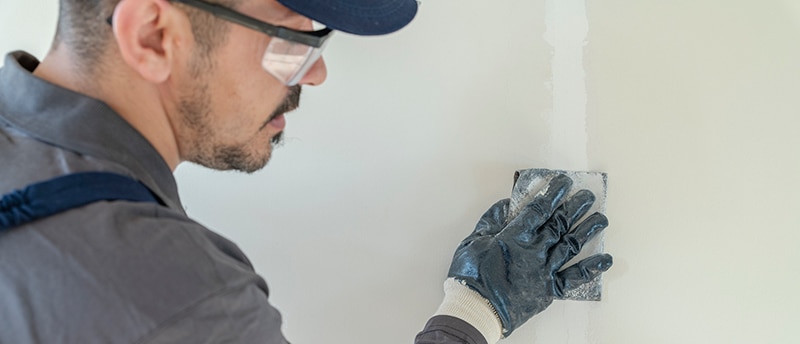
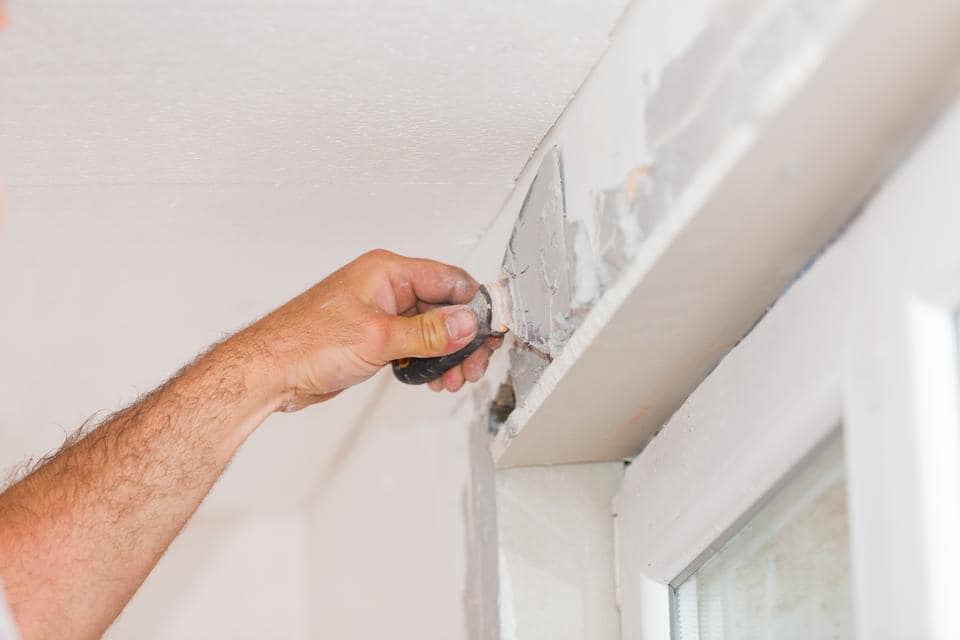
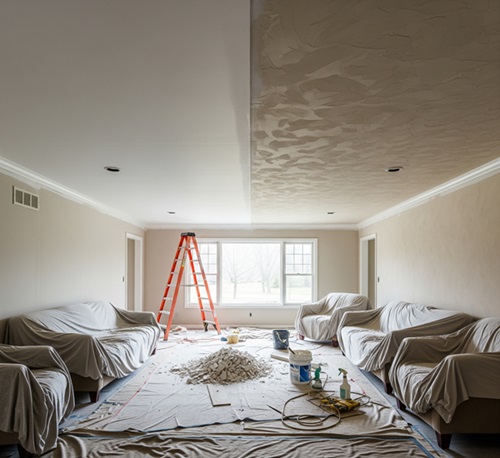
Repairing drywall damaged by ice dams follows the same principles as any water damage repair, but timing requires patience. Repairs should not begin until the roof leak has been addressed and the spring thaw is complete, ensuring that no more water will enter the area. Remove all water-damaged drywall, insulation, and any other materials that were saturated. Inspect the framing for mold — attic framing exposed to ice dam leaks is particularly prone to mold because the cold attic temperature slows drying. Treat any mold-affected framing before installing new materials. Allow everything to dry completely — a process that may take weeks in attic spaces with limited ventilation. Only then should new insulation and drywall be installed. Our [drywall repair](/services/drywall-repair) team coordinates ice dam damage repair with proper sequencing to ensure lasting results.
Prevention: The Best Defense Against Ice Dams
Preventing ice dams is more cost-effective than repairing the damage they cause year after year. The root cause of most ice dams is heat loss from the living space into the attic, so the primary prevention strategies focus on insulation and ventilation. Adding insulation to the attic floor reduces the heat that reaches the roof surface. Sealing air leaks around recessed lights, plumbing penetrations, attic hatches, and ductwork prevents warm air from bypassing the insulation. Ensuring proper soffit-to-ridge ventilation maintains a cold roof surface that prevents snowmelt. Homeowners in [Bangor](/locations/maine/bangor) and [Lewiston](/locations/maine/lewiston) who invest in proper attic insulation and air sealing typically see a dramatic reduction in ice dam formation and the associated interior damage.
Emergency Measures During Active Ice Dam Leaking
When an ice dam is actively leaking water into your home, immediate action minimizes damage. Place containers to catch dripping water and protect floors and furniture. If the ceiling is bulging with trapped water, carefully puncture the bulge at its lowest point to release the water in a controlled manner — an uncontrolled collapse of a water-logged ceiling panel creates a much larger mess and safety hazard. Do not attempt to remove ice from the roof by chopping or chiseling, as this damages the shingles and roof deck. Professional ice dam removal using steam equipment is the safest option during an active event. Document all damage with photographs and contact your insurance company, as ice dam damage is typically covered by homeowners insurance as a weather-related event.
Long-Term Ice Dam Solutions for Older Homes
Older homes in [South Portland](/locations/maine/south-portland) and throughout the Northeast often have construction details that make them especially vulnerable to ice dams. Cathedral ceilings without adequate ventilation channels, knee walls in cape-style homes that leak air into the roof space, inadequate insulation levels, and complex roof lines that create valleys where snow accumulates all contribute to chronic ice dam problems. Addressing these issues may involve a comprehensive approach: air sealing the attic floor, upgrading insulation to current code levels, adding ventilation baffles in each rafter bay, and in some cases, installing ice and water shield membrane under the roofing material at the eaves. While these are primarily roofing and insulation projects, they directly protect your drywall investment by preventing the water intrusion that causes repeated interior damage and costly drywall repairs.
Need Professional Drywall Help?
Contact Fast Fix Drywall Repair for a free estimate on your next project.
Get a Free QuoteLooking for drywall repair services in your area? Browse our full service directory by city.