Termites and other pests damage drywall from the inside, often going undetected until the destruction is extensive. Prevention and early detection are your best defenses.
How Pests Damage Drywall from the Inside Out
Most pest damage to drywall happens behind the surface, inside the wall cavity where it is invisible from the room side. Subterranean termites build mud tubes up the foundation and into the wall framing, consuming the wood studs and plates that support the drywall. Drywood termites colonize the framing directly, hollowing it out from within. Carpenter ants carve nesting galleries in moist wood, weakening the structural members. Rodents gnaw through drywall to create entry points and nest inside wall cavities, leaving behind contaminated insulation and chewed wiring. By the time the damage becomes visible on the drywall surface — typically as bubbling, softening, or unexplained holes — the infestation has often been active for months or years. Homeowners in [Honolulu](/locations/hawaii/honolulu) and [Pearl City](/locations/hawaii/pearl-city) face particularly aggressive termite pressure due to the tropical climate, making vigilant monitoring essential.
Recognizing the Warning Signs
Several clues can alert you to pest activity behind your drywall before the damage becomes severe. Faint rustling or clicking sounds from inside walls, especially at night, suggest active insect or rodent presence. Small piles of fine, sawdust-like material at the base of walls — called frass — indicate drywood termites above. Mud tubes running along the foundation or up interior walls are a definitive sign of subterranean termite activity. Paint that bubbles or peels in areas without moisture exposure may indicate termites consuming the paper facing of the drywall from behind. Doors and windows that suddenly become difficult to open or close can signal that termite damage to the framing has allowed the structure to shift. Any of these signs warrants immediate professional pest inspection.
Repairing Pest-Damaged Drywall
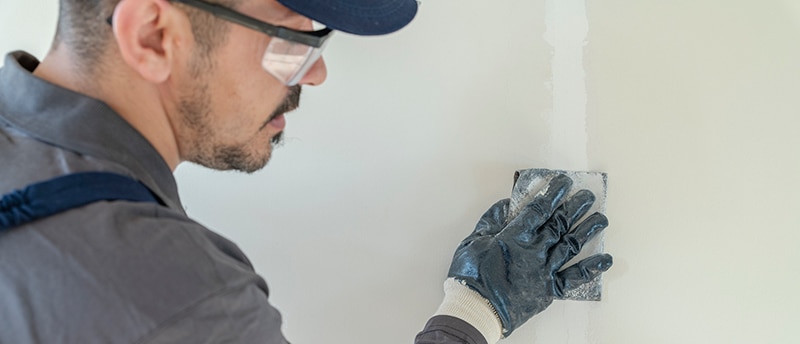
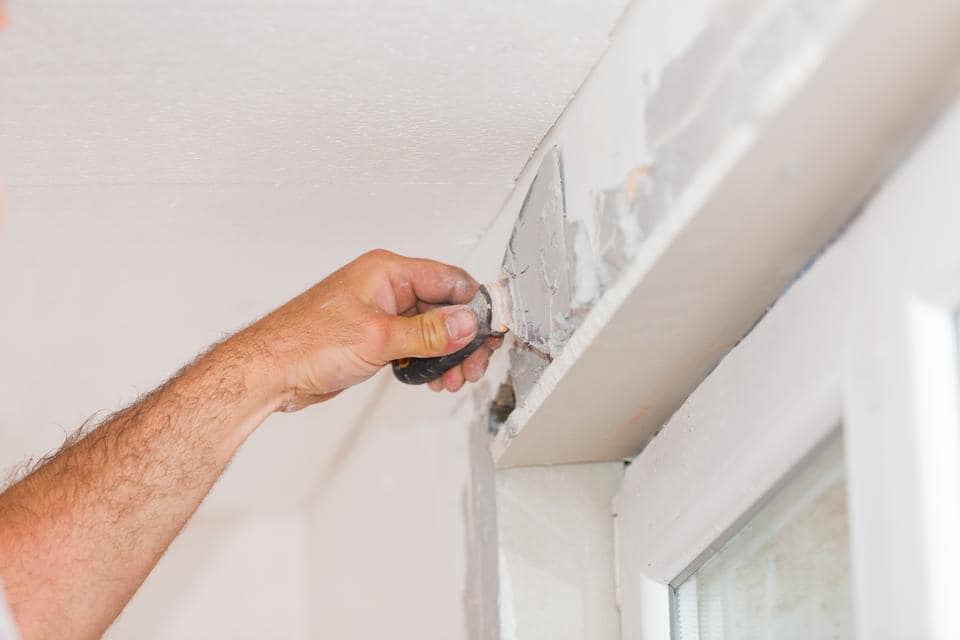
Repairing drywall damaged by pests requires a specific sequence: eliminate the pest problem first, assess and repair the structural damage, then replace the drywall. The pest infestation must be fully treated by a licensed pest control professional before any construction work begins — removing drywall to expose pest-damaged framing without first treating the infestation can spread the problem to unaffected areas. Once treatment is complete, the damaged drywall is removed to expose the framing for inspection. Any wood members that have been structurally compromised — eaten through by termites, hollowed by carpenter ants, or weakened by moisture associated with pest activity — must be repaired or replaced. Our [sheetrock replacement](/services/sheetrock-replacement) team in [Kailua](/locations/hawaii/kailua) and [Hilo](/locations/hawaii/hilo) coordinates with pest control professionals to ensure proper sequencing of treatment and repair.
Structural Repair Behind the Drywall
Pest damage to framing is the most serious aspect of an infestation because it compromises the structural integrity of the wall. Termite-damaged studs and plates may look intact on the surface while being hollowed out internally — probing with a screwdriver or awl reveals the extent of internal damage. Studs that have lost more than one-third of their cross-section need to be reinforced by sistering a new stud alongside the damaged one. Completely destroyed members must be replaced. Sill plates — the bottom framing member that sits on the foundation — are the most commonly damaged component because they are the termites' first point of contact with the wood framing. Replacing a damaged sill plate requires temporarily supporting the wall above while the old plate is removed and a new pressure-treated plate is installed.
Preventing Future Pest Damage
Prevention is far less expensive than repair when it comes to pest damage. Maintain a pest control service with regular inspections — annual termite inspections are standard in high-risk areas. Keep soil and mulch at least six inches below the bottom edge of any wood framing or siding to eliminate ground-to-wood contact that invites subterranean termites. Fix moisture problems promptly, as many wood-destroying organisms are attracted to damp conditions. Store firewood, lumber, and other cellulose materials well away from the house. Seal gaps and cracks in the exterior that could serve as entry points for rodents and insects. Homeowners in [Kapolei](/locations/hawaii/kapolei) and throughout the islands should maintain active termite bonds with regular retreatment to protect their homes from the aggressive termite species present in the tropical environment.
Insurance and Pest Damage Coverage
One important consideration that catches many homeowners off guard is that standard homeowners insurance policies typically do not cover termite or pest damage. Insurance companies classify pest damage as a maintenance issue that is the homeowner's responsibility to prevent through regular inspection and treatment. This means that the full cost of structural repair and drywall replacement after a pest infestation falls on the homeowner. Some pest control companies offer damage repair guarantees as part of their service contracts — these can provide valuable financial protection if an infestation occurs despite treatment. Understanding your coverage gaps and investing in professional pest prevention is a prudent approach that avoids potentially devastating out-of-pocket repair costs.
Need Professional Drywall Help?
Contact Fast Fix Drywall Repair for a free estimate on your next project.
Get a Free QuoteLooking for drywall repair services in your area? Browse our full service directory by city.