Wallpaper removal frequently damages the drywall surface beneath. The right repair technique transforms a torn, rough wall into a smooth, paint-ready surface.
Why Wallpaper Removal Damages Drywall
Wallpaper removal is one of the most common home improvement projects that results in unexpected drywall damage. The problem stems from how wallpaper adhesive bonds to the drywall surface. When wallpaper was applied over unprimed drywall — a common shortcut in older installations — the adhesive bonds directly to the paper facing of the drywall panel. Removing the wallpaper then peels away the drywall's paper facing along with it, exposing the raw gypsum core beneath. Even when the drywall was properly primed, aggressive scraping, excessive water saturation during the stripping process, or wallpaper that was applied over multiple layers can still damage the surface. Homeowners in [Oklahoma City](/locations/oklahoma/oklahoma-city) and [Tulsa](/locations/oklahoma/tulsa) frequently discover that what they expected to be a simple weekend wallpaper project turns into a multi-step drywall repair and preparation effort.
Assessing the Damage After Wallpaper Comes Off
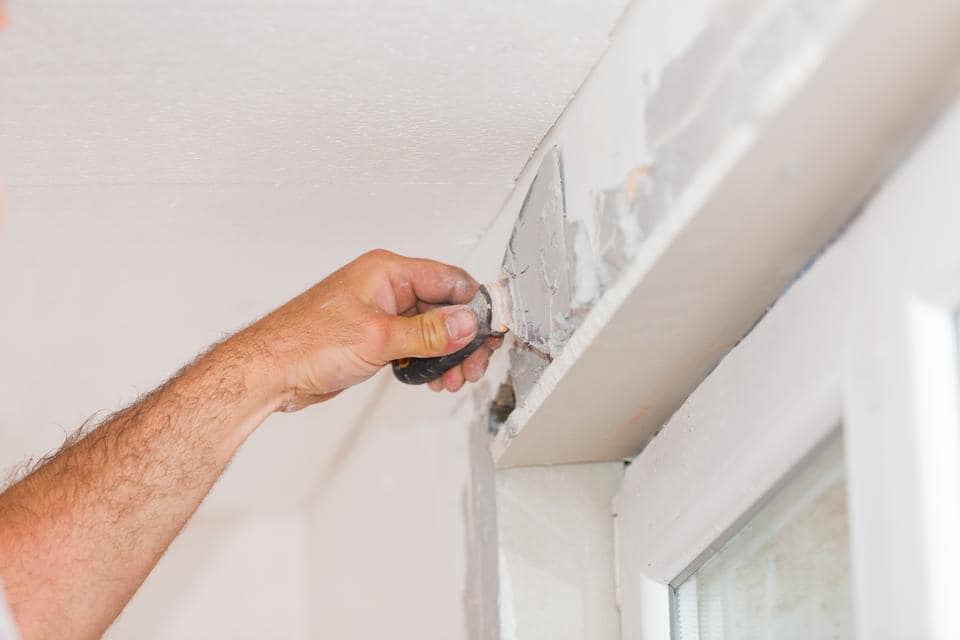
Once all the wallpaper and adhesive residue are removed, evaluate the wall surface carefully under strong side lighting. Holding a work light flat against the wall and looking across the surface reveals every imperfection — gouges from scraping, torn paper, areas where the gypsum core is exposed, adhesive residue, and texture differences between damaged and intact areas. The extent of damage determines the repair approach. If damage is limited to a few small torn spots, localized patching is sufficient. If the paper facing is torn across large areas or the entire wall, skim coating the whole surface is the more efficient and better-looking solution. If the gypsum itself is damaged — gouged, softened by water, or crumbling — section replacement may be necessary.
Sealing Torn Paper Facing
Exposed gypsum core where the paper facing has been torn away must be sealed before any compound is applied. Raw gypsum is extremely absorbent — if you apply joint compound directly to it, the moisture in the compound soaks into the gypsum unevenly, causing the compound to dry too fast in some spots and not fast enough in others, resulting in a rough, inconsistent finish. The solution is to apply a coat of drywall primer-sealer over all damaged areas. This seals the exposed gypsum, creates a uniform surface for compound adhesion, and prevents the compound from being sucked dry before it can cure properly. Allow the primer to dry completely before proceeding. Homeowners in [Norman](/locations/oklahoma/norman) and [Broken Arrow](/locations/oklahoma/broken-arrow) tackling wallpaper removal should not skip this step — it is the foundation for a successful finish.
Skim Coating for a Smooth Finish
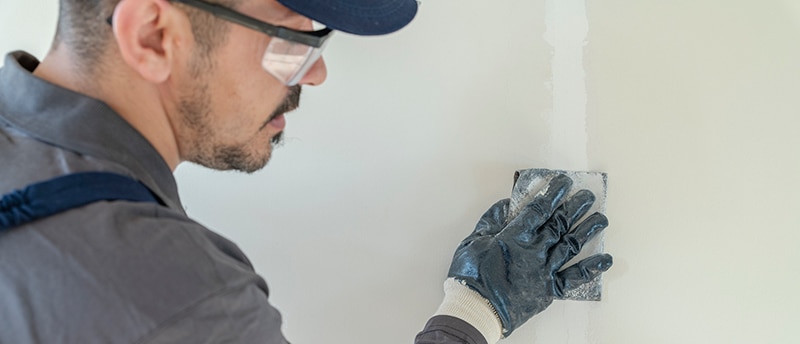
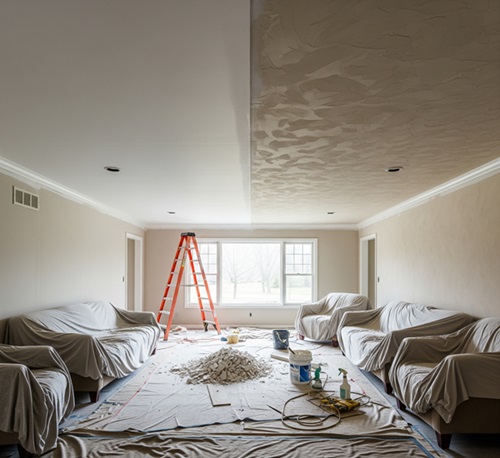
When wallpaper removal damage extends across large areas of a wall, skim coating is the most effective repair technique. Skim coating involves applying a thin, uniform layer of joint compound across the entire surface — typically two coats with sanding between them — to create a smooth, consistent finish that conceals all the surface irregularities left behind by the wallpaper removal. The technique requires a wide finishing knife — 10 to 14 inches — and a compound consistency that spreads smoothly without dragging. Apply compound in overlapping passes, maintaining consistent pressure and angle to achieve an even coat. Our [drywall finishing and texturing](/services/drywall-finishing-texturing) specialists deliver Level 5 skim coat finishes that transform damaged post-wallpaper walls into perfectly smooth, paint-ready surfaces.
Dealing with Stubborn Adhesive Residue
Wallpaper adhesive left on the wall creates significant problems for any subsequent finish. If paint is applied over adhesive residue, the residue absorbs moisture from the paint and reactivates, causing bubbling, peeling, and poor adhesion. If joint compound is applied over adhesive, it may not bond properly and can flake off over time. All adhesive must be removed before repair work begins. For water-soluble adhesives, warm water with a small amount of dish soap applied with a sponge and allowed to soak for several minutes will soften the adhesive for removal with a scraper. For stubborn adhesives, a commercial wallpaper adhesive remover solution is more effective. In [Edmond](/locations/oklahoma/edmond) and surrounding areas, we commonly find multiple layers of adhesive from successive wallpaper applications, which may require several rounds of chemical treatment and scraping to fully remove.
Preparing the Repaired Surface for New Finishes
After skim coating and sanding, the wall needs proper preparation before paint or new wall covering is applied. Sand the entire surface with 150-grit sandpaper using a pole sander for uniform results, then wipe down with a damp sponge or tack cloth to remove all sanding dust. Apply a high-quality drywall primer to the entire surface — this is non-negotiable whether you plan to paint or apply new wallpaper. For paint, the primer provides a uniform base that ensures consistent color and sheen. For new wallpaper, the primer creates a surface that allows future wallpaper to be removed without damaging the drywall again — learning from the mistake that caused the current damage. A properly repaired and primed wall after wallpaper removal will accept any finish beautifully and provide a lasting result.
Need Professional Drywall Help?
Contact Fast Fix Drywall Repair for a free estimate on your next project.
Get a Free QuoteLooking for drywall repair services in your area? Browse our full service directory by city.