Cracked or crumbling drywall around electrical outlets and switches is more than an eyesore — it can be a safety concern. Here is how to fix it properly.
Why Drywall Around Outlets Fails So Often
The drywall around electrical outlets and light switches takes more abuse than almost any other part of your walls. Every time someone plugs in or unplugs a device, pushes a vacuum cleaner nozzle against the wall, or bumps furniture into the area, the cutout edges absorb the impact. Unlike the center of a panel, the drywall around an outlet box has been cut to create an opening, leaving thin edges that are structurally weaker than the surrounding material. Over time, these edges crack, crumble, or break away entirely, leaving gaps around the cover plate that look unsightly and can expose wiring. Homeowners in [Newark](/locations/new-jersey/newark) and [Jersey City](/locations/new-jersey/jersey-city) frequently encounter this problem in older homes where the original cutouts were made roughly and the drywall has decades of wear.
Safety First: Electrical Precautions
Before touching any drywall near an electrical box, turn off the circuit at the breaker panel. Verify the power is off by testing the outlet or switch with a voltage tester. This is not optional — even experienced contractors follow this rule without exception. Working near live wiring with metal tools, drywall saws, and joint compound knives creates a real risk of electrical shock. If the outlet box itself is damaged, loose, or improperly secured, that is an electrical repair that should be handled by a licensed electrician before the drywall work begins. The drywall repair itself does not involve any electrical work, but proximity to wiring demands respect for basic safety protocols.
Repairing Minor Cracking and Crumbling
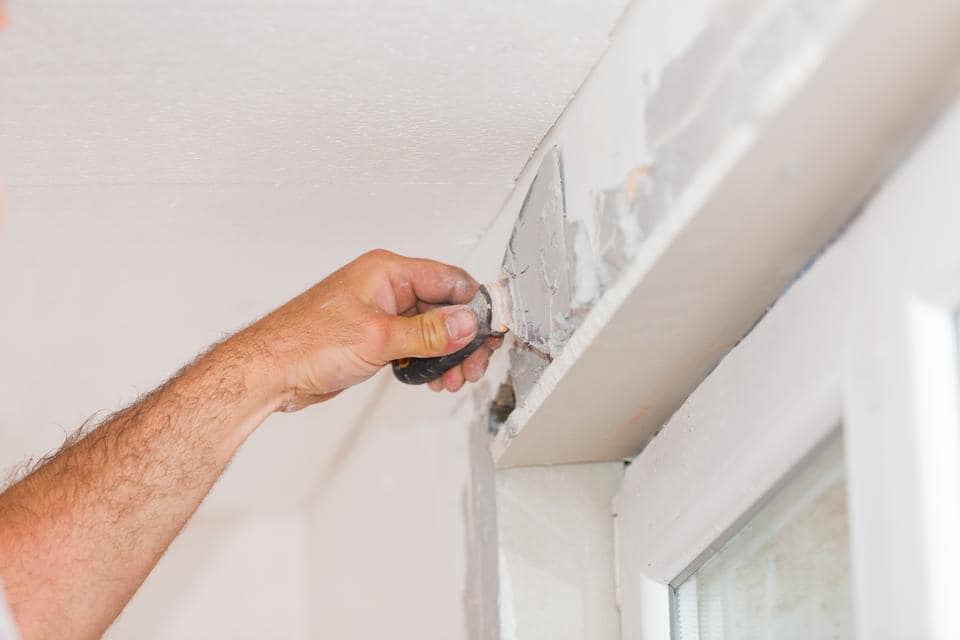
When the damage is limited to small cracks or minor crumbling around the edges of the cutout, the repair is straightforward. Remove the cover plate and clean away any loose material around the opening. If the edges are crumbly but the panel is otherwise sound, apply a thin layer of setting-type joint compound around the opening, pressing it firmly into the damaged areas. Allow it to dry completely, then sand smooth and apply a second coat if needed. For slightly larger damage where a section of edge has broken away, a small piece of drywall mesh tape applied over the damaged area before the compound provides reinforcement. Our [drywall repair](/services/drywall-repair) team handles these small but detail-oriented repairs regularly throughout [Paterson](/locations/new-jersey/paterson) and [Elizabeth](/locations/new-jersey/elizabeth).
Fixing Large Holes and Broken Cutouts
When the damage extends well beyond the outlet opening — a large hole, a shattered section, or a previous repair that has failed — a patch approach is needed. The damaged section is cut out in a clean rectangle, extending to the nearest stud on at least one side for solid fastening. A new piece of drywall is cut to fit the opening, with a precise cutout for the electrical box. The patch is secured to the stud and any backing material added on the opposite side, then taped and finished with compound. Getting the outlet cutout precisely right on the new piece is critical — too tight and the drywall cracks when the box is tightened; too loose and the cover plate cannot bridge the gap. Professional-quality oscillating tools and rotary cutout tools make this task much easier than attempting it with a hand saw.
Dealing with Oversized Cutouts
One of the most common problems is an outlet cutout that was made too large during the original installation. This leaves gaps around the electrical box that the cover plate cannot fully conceal. The fix depends on the size of the gap. Gaps up to about a quarter inch can be filled with setting compound applied in layers, allowing each coat to dry before the next. Larger gaps need physical reinforcement — strips of drywall mesh tape bridging the gap provide a substrate for the compound to bond to. For extremely oversized cutouts where the gap exceeds half an inch on any side, the most reliable solution is to cut out the damaged section and install a properly cut replacement piece. Homeowners in [Trenton](/locations/new-jersey/trenton) renovating older properties encounter oversized cutouts frequently, especially where outlets have been relocated or boxes have been changed over the years.
Finishing for an Invisible Repair
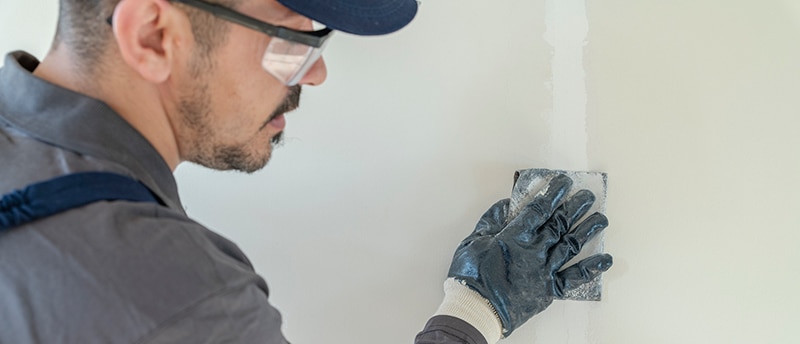
The finishing process around outlets requires precision because the cover plate frames the repair area and draws the eye to any imperfections. Apply compound in thin coats, feathering each one slightly wider than the last to create a gradual transition. Sand between coats with fine-grit sandpaper, being careful not to gouge the surface. The goal is a surface that sits perfectly flush with the surrounding wall — any high spots will prevent the cover plate from sitting flat, and any low spots will create visible shadows around the plate edges. After the final sanding, prime and paint the area, then reinstall the cover plate. A well-executed repair around an outlet should be completely invisible with the plate in place and nearly invisible without it.
Need Professional Drywall Help?
Contact Fast Fix Drywall Repair for a free estimate on your next project.
Get a Free QuoteLooking for drywall repair services in your area? Browse our full service directory by city.