Closet drywall damage is easy to ignore but worth fixing. Adapted techniques for tight spaces produce professional results even in confined areas.
Why Closet Drywall Gets Neglected
Closets are the out-of-sight, out-of-mind spaces in every home. Behind closed doors, drywall damage accumulates without drawing attention. Shelving brackets that were removed or relocated leave holes. Clothing rod supports that pulled out of the wall create enlarged openings. Humidity from inadequate air circulation causes paint peeling and mold in bathrooms and linen closets. Settling cracks and nail pops go unrepaired because they are hidden. Yet closet condition matters — it affects home value during sales, contributes to indoor air quality if mold develops, and reflects the overall maintenance level of the home. Homeowners in [Louisville](/locations/kentucky/louisville) and [Lexington](/locations/kentucky/lexington) preparing to sell often discover that bringing neglected closets up to standard requires more work than expected.
Working in Tight Spaces Effectively
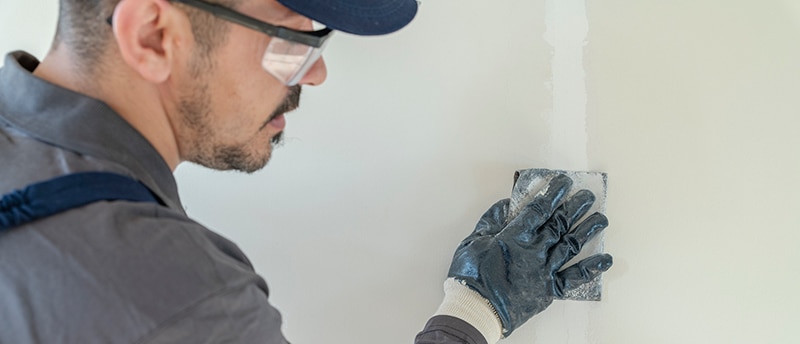
Closet repairs present practical challenges that open-room repairs do not. Limited swing room for taping knives means using smaller tools — a six-inch knife instead of a twelve-inch knife. Poor lighting makes it difficult to see surface imperfections during finishing. Shelving, rods, and stored items must be removed before work can begin, adding time. Ventilation is limited, making dust containment and respiratory protection especially important during sanding. Set up a portable work light at a low angle to create raking light that reveals surface imperfections. Use a hand sanding block rather than a pole sander for better control in confined areas.
Common Closet Drywall Repairs
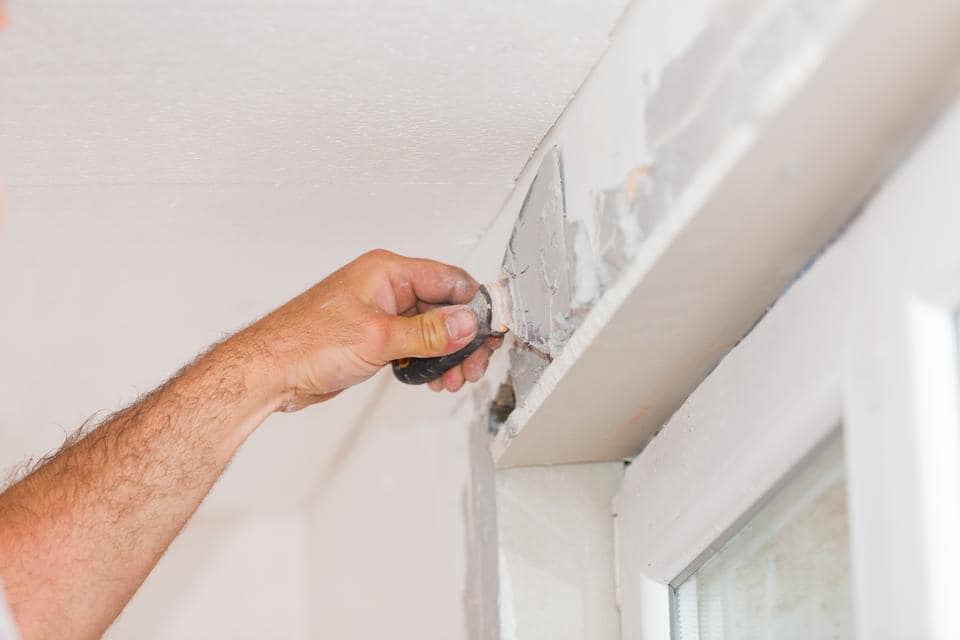
The most frequent closet repairs include patching holes from removed shelf brackets and rod supports, fixing areas where adjustable shelving systems were installed and later relocated, repairing water damage in linen closets adjacent to bathrooms, filling nail and screw holes from previous organizing systems, and addressing mold spots caused by poor circulation. For shelf bracket holes that will be reused, install proper wall anchors or drive screws into studs rather than relying on the original lightweight anchors that pulled out. Our [drywall repair](/services/drywall-repair) team in [Bowling Green](/locations/kentucky/bowling-green) and [Owensboro](/locations/kentucky/owensboro) batches closet repairs throughout a home into a single efficient visit, addressing all accumulated damage at once.
Moisture Problems in Closets
Closets on exterior walls are especially prone to moisture problems because they receive little air circulation from the home's HVAC system. When the door is closed, the air inside stagnates, and the exterior wall surface can become cold enough to produce condensation — especially during winter months. This chronic moisture degrades paint, softens drywall, and creates conditions for mold growth. The solution involves both repair and prevention: repair any existing moisture damage, apply mold-resistant primer and paint, and improve air circulation by installing a louvered closet door, leaving the door slightly ajar, or ensuring that the HVAC supply in the adjacent room reaches the closet area.
When Closet Repairs Are Worth the Investment
Not every closet scratch needs professional attention, but there are clear situations where closet drywall repair is worthwhile. Before selling your home, well-maintained closets signal overall home care to buyers and inspectors. When installing a new closet organizing system, patching all existing holes first provides a clean canvas for the new system. When moisture damage or mold is present, addressing it protects your family's health regardless of the closet's visibility. When converting a closet to another use — a small office, reading nook, or pantry — the walls need to meet living-space finish standards.
Finish Level Considerations for Closets
Closets typically do not need the same finish quality as living spaces. A Level 3 finish — joints taped and covered with two coats of compound — is generally adequate for closet walls that will be painted with a single coat and partially concealed by shelving and clothing. This reduced finish level saves money on labor-intensive finishing work in spaces where appearance is a lower priority. The exception is custom closet systems with open shelving and accent lighting, where the walls serve as a visible backdrop and benefit from a higher-quality finish. Discuss finish level expectations with your contractor to ensure the right balance of quality and cost for each space in your home.
Need Professional Drywall Help?
Contact Fast Fix Drywall Repair for a free estimate on your next project.
Get a Free QuoteLooking for drywall repair services in your area? Browse our full service directory by city.