Moving day takes a toll on your walls. From corner dents to doorway gouges, furniture-related drywall damage is easy to repair with the right approach.
The Most Common Types of Moving Damage
Moving furniture through a home creates a predictable pattern of drywall damage. Hallway corners take hits from couches and mattresses being maneuvered around tight turns. Doorway edges get gouged by dresser corners and appliance handles. Stairwell walls accumulate scuffs and dents as heavy items are carried up or down. Wall surfaces near entry doors suffer from the constant traffic of boxes and equipment. Even careful movers create some degree of wall damage — it is virtually inevitable when large, heavy objects are navigated through spaces designed for people, not furniture. Homeowners in [Charlotte](/locations/north-carolina/charlotte) and [Raleigh](/locations/north-carolina/raleigh) frequently schedule drywall touch-up visits after major moves, whether they are moving into a new home or rearranging within their current one.
Repairing Scuffs and Surface Marks
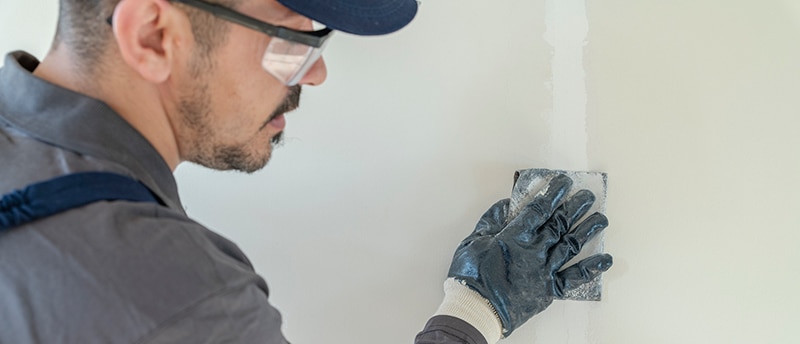
The lightest category of moving damage — scuff marks, rubber streaks, and surface discoloration — does not actually damage the drywall at all. These marks affect only the paint layer and can usually be removed without any drywall repair. A melamine foam sponge (commonly sold as a magic eraser) removes most rubber and scuff marks from painted walls. For marks that resist cleaning, a light sanding with 220-grit paper followed by touch-up paint covers the damage. The challenge with paint touch-up is color matching — even paint from the same original can may have shifted in color with age, and the touched-up spot may not blend perfectly. If exact color matching is critical, repaint the entire wall for a uniform finish.
Fixing Dents and Compression Damage
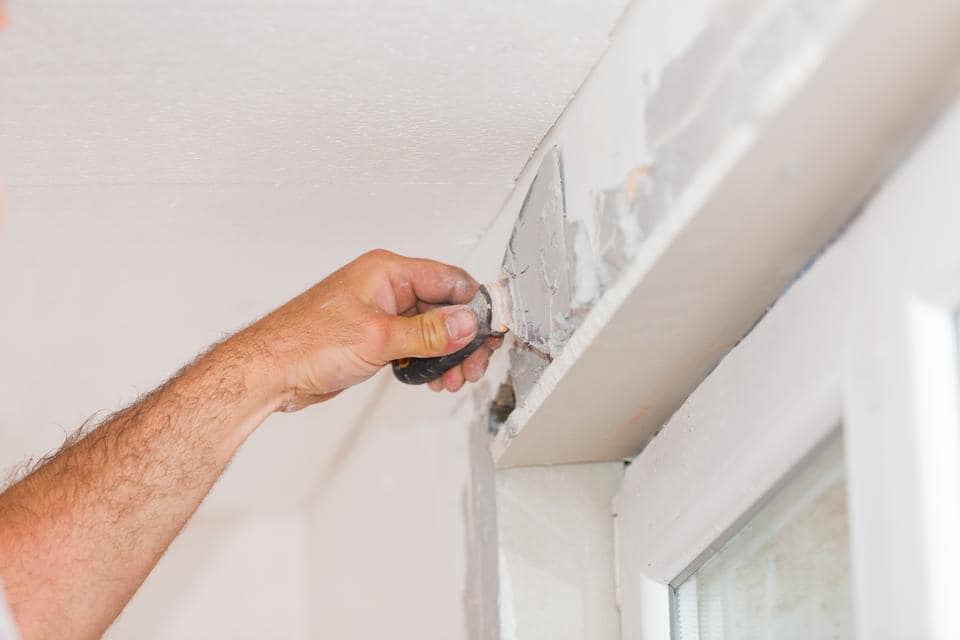
Medium-impact damage — dents that compress the drywall surface without breaking through the paper facing — requires a simple compound fill. Clean the dented area and apply a thin layer of lightweight spackle or joint compound, slightly overfilling the depression. Allow it to dry completely — lightweight spackle dries fast but may shrink, requiring a second application. Sand flush with the surrounding surface using fine-grit sandpaper, prime, and paint. For dents in corner bead, where the metal strip has been pushed inward, use a wider knife to apply compound over the depression and build the surface back to match the original corner profile. Our [drywall repair](/services/drywall-repair) team in [Greensboro](/locations/north-carolina/greensboro) and [Durham](/locations/north-carolina/durham) handles these common repairs efficiently, often batching multiple spots across the home in a single visit.
Patching Holes from Impact Damage
Heavier impacts — a dresser corner punching through the wall, a doorknob driven through the drywall, or a heavy box dropped against the surface — create holes that require actual drywall patching. For holes up to about four inches, a self-adhesive mesh patch kit provides a quick solution: apply the patch over the hole, cover with compound, let dry, and sand smooth. For larger holes, the traditional patch method produces better results: cut the damaged area into a clean rectangle, install backing support, cut a matching piece of new drywall, secure it in place, and tape and compound the seams. The key to a professional-looking result is feathering the compound far enough beyond the patch edges to create an invisible transition.
Protecting Walls During Future Moves
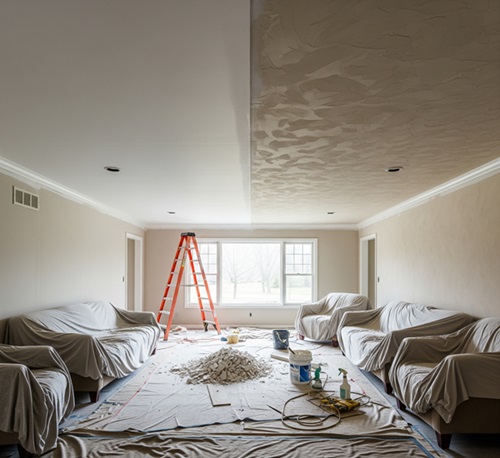
Prevention during the next move saves repair time and money. Cover corner beads and doorway edges with moving blankets secured by painter's tape. Lay cardboard or hardboard sheets along hallway walls at furniture height. Remove doors from their hinges in tight hallways to create more clearance. Use furniture sliders rather than dragging heavy items along walls. If hiring professional movers, inspect the walls together before and after the move to document any new damage for the moving company's insurance claim. Homeowners in [Winston-Salem](/locations/north-carolina/winston-salem) and [Cary](/locations/north-carolina/cary) who take these precautions report significantly less drywall damage even during major moves.
When to DIY and When to Call a Professional
Most furniture-related drywall damage falls into the category that a handy homeowner can repair successfully. Scuffs, small dents, and nail-sized holes require minimal skill and inexpensive materials. Larger patches, corner bead repairs, and damage across multiple rooms benefit from professional attention — both for quality of result and efficiency of time. The deciding factors are visibility and volume: a small patch in a closet is fine as DIY, while visible repairs in your main living areas and situations where many spots need attention across the home are better served by a professional who can batch the work and deliver a consistent, high-quality finish throughout.
Need Professional Drywall Help?
Contact Fast Fix Drywall Repair for a free estimate on your next project.
Get a Free QuoteLooking for drywall repair services in your area? Browse our full service directory by city.