A roof leak can travel far from its source before damaging your drywall. Tracing the water path and repairing correctly prevents recurring damage and mold growth.
How Roof Leaks Reach Your Interior Walls
Roof leaks rarely drip straight down from the point of entry. Water entering through a compromised shingle, damaged flashing, or cracked vent boot travels along rafters, sheathing, and framing members before finding a low point where gravity pulls it through the ceiling. This means the water stain on your ceiling may be several feet — or even an entire room — away from the actual roof penetration. The water path can also split, following multiple framing members simultaneously and producing stains in locations that seem unrelated. Homeowners in [Nashville](/locations/tennessee/nashville) and [Knoxville](/locations/tennessee/knoxville) frequently discover this disconnect between the stain location and the leak source, making accurate diagnosis essential before any drywall repair begins.
Assessing Ceiling Damage from Above and Below
Effective assessment requires inspecting the damage from both sides. From inside the room, map the stain boundaries and check the drywall firmness by pressing gently — any soft or spongy areas indicate panels that have lost structural integrity. From the attic above, trace the water trail backward from the stain location toward the roof deck, looking for wet framing, discolored wood, water tracks, and daylight penetrating through the roof. A moisture meter provides objective readings that reveal the true extent of wet material beyond what is visible. Insulation that has been saturated holds water for extended periods and must be identified and removed. In [Memphis](/locations/tennessee/memphis) and [Chattanooga](/locations/tennessee/chattanooga), where severe thunderstorms and high winds frequently damage roofing, attic inspection after storms catches leaks before they cause extensive interior damage.
Fixing the Roof Before Touching the Drywall
This point cannot be overstated: repairing drywall while the roof still leaks is wasting money. The roof repair must be completed and verified through at least one rain event before interior restoration begins. Common roof leak sources include missing or damaged shingles, deteriorated flashing around chimneys and vent pipes, cracked plumbing and HVAC boots, improperly sealed skylights, and clogged valleys where two roof planes meet. Some leaks are obvious from an attic inspection; others require a roofing professional to identify. Once the roof is repaired and confirmed watertight, the attic and ceiling cavity must dry completely before new drywall is installed — rushing this step traps moisture that will cause mold and repeat damage.
Removing and Replacing Damaged Ceiling Panels
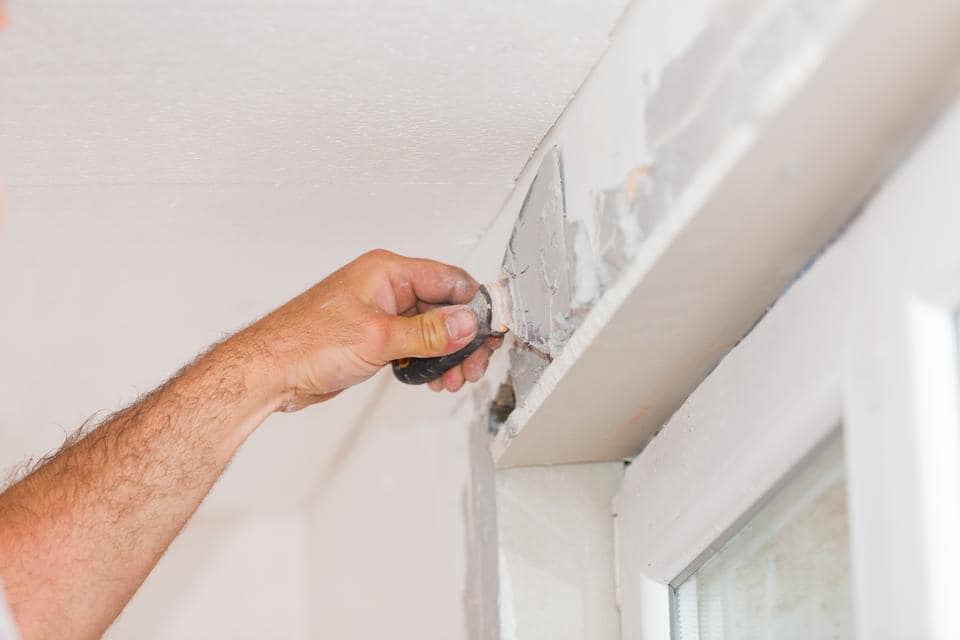
Ceiling drywall that has been saturated by a roof leak must be removed, not just dried and repainted. Even if the panel feels firm again after drying, the gypsum core has been permanently weakened and the paper facing has been compromised — it will sag, crack, or develop mold over time. Cut the damaged section back to the nearest joists on all sides for clean fastening surfaces. Remove wet insulation above the opening. Inspect the joists for mold or rot and treat as needed. Install new panels using screws driven firmly into the joist centers, and tape and finish the seams. Our [drywall repair](/services/drywall-repair) team uses moisture meters to verify that all surrounding materials are dry before closing up the repair, ensuring that no hidden moisture remains to cause problems later.
Matching the Ceiling Finish After Repair
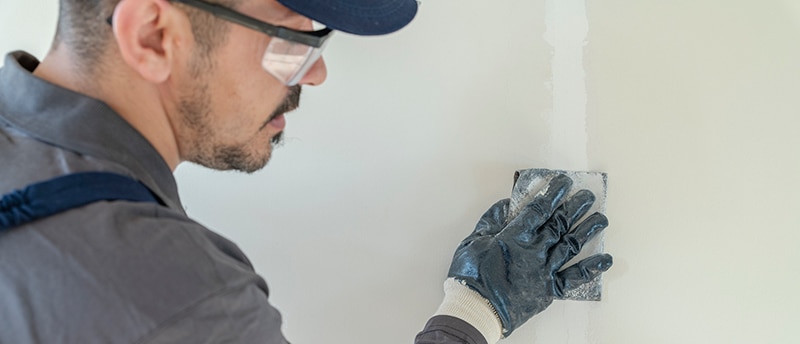
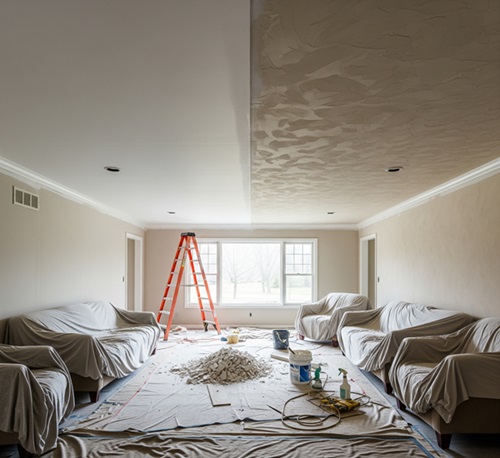
Ceiling repairs are highly visible because light from windows rakes across the surface at shallow angles, highlighting every imperfection. The finishing phase must achieve a smooth, even surface that blends invisibly with the surrounding ceiling. Apply joint compound in thin, wide coats — feathering at least twelve inches out from each seam — and sand between coats with fine-grit paper. If the ceiling has texture, replicate it on the repaired section before priming. Flat or matte ceiling paint is more forgiving of minor surface imperfections than satin or semi-gloss, and painting the entire ceiling rather than just the repaired area ensures uniform color and sheen. Homeowners in [Clarksville](/locations/tennessee/clarksville) should plan for the finishing phase to take two to three days of work with drying time between coats.
Preventing Future Roof Leak Damage
Annual roof inspections catch developing problems before they produce leaks. After any severe storm, check the roof visually from the ground for missing shingles and inspect the attic for new water tracks. Keep gutters and downspouts clean and functioning — backed-up gutters push water under the roof edge. Maintain all flashing and sealant around roof penetrations. If your home has an older roof approaching the end of its service life, consider proactive replacement rather than waiting for leaks to develop — the cost of a new roof is significant, but the cost of repeated interior water damage plus eventual re-roofing is higher. Taking a proactive approach protects your drywall investment and preserves the interior finishes that make your home comfortable and attractive.
Need Professional Drywall Help?
Contact Fast Fix Drywall Repair for a free estimate on your next project.
Get a Free QuoteLooking for drywall repair services in your area? Browse our full service directory by city.