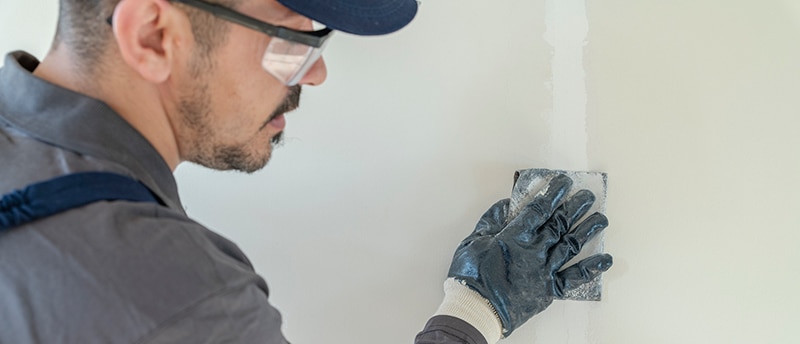
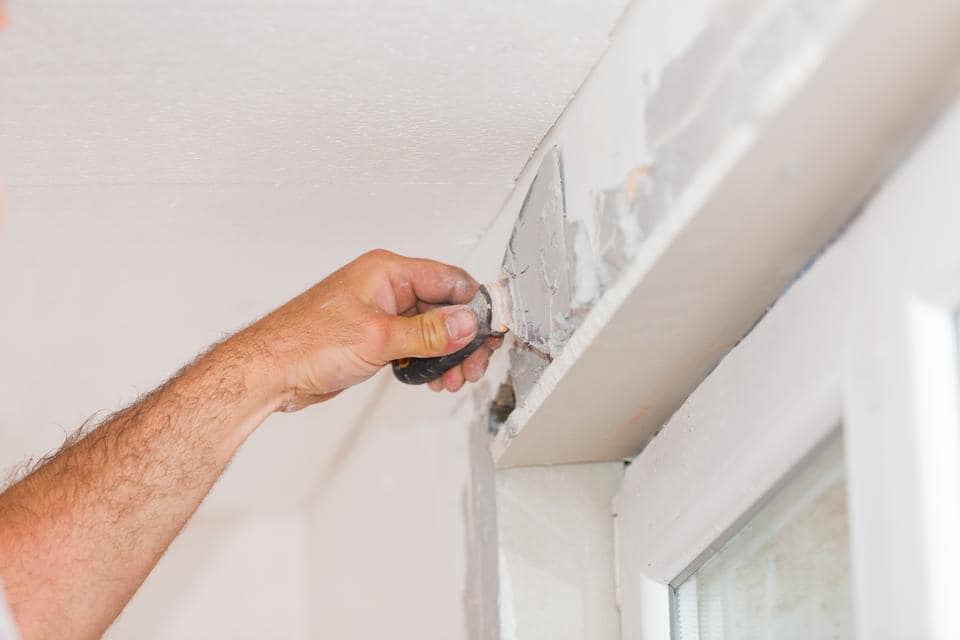
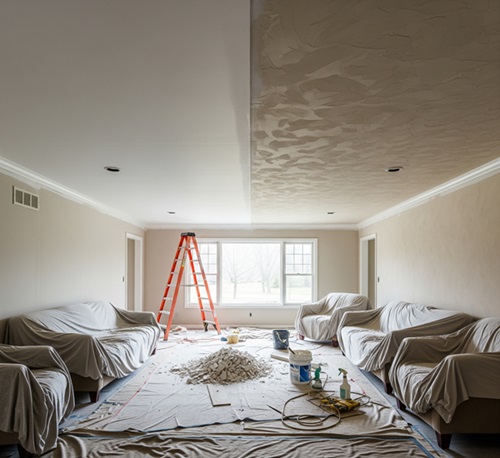
A damaged section of textured ceiling does not require removing the texture from the entire surface. Skilled spot repair blends new texture with existing patterns.
Why Textured Ceiling Repair Is Different from Smooth Ceiling Repair
Repairing a smooth ceiling is purely a matter of achieving a flat, even surface — once the compound is sanded smooth and painted, the repair disappears. Textured ceiling repair adds a second challenge: not only must the underlying surface be properly patched and smoothed, but the texture pattern must also be replicated on the repaired area to match the surrounding ceiling. This texture matching is often the most difficult part of the repair because textures vary in pattern density, size, depth, and randomness. The original texture was applied by a specific person with a specific technique, compound consistency, and spray setting — replicating those exact variables requires skill and experience. Homeowners in [Atlanta](/locations/georgia/atlanta) and [Savannah](/locations/georgia/savannah) who attempt textured ceiling repairs often find the patching straightforward but the texture matching frustratingly difficult.
Identifying Your Ceiling Texture Type
Before attempting a repair, identify the specific texture type on your ceiling. Knockdown texture features irregular shapes that are sprayed on and then flattened with a knockdown knife, creating a mottled, Mediterranean-style pattern. Orange peel texture has a fine, bumpy surface resembling the skin of an orange. Skip trowel has wide, sweeping arcs from a hand-applied trowel technique. Spray sand produces a fine, uniform sandpaper-like surface. Popcorn or acoustic texture has heavy, bumpy aggregates that are sprayed on and left unflattened. Each texture type requires a different application technique and compound consistency for convincing repair.
Patching the Underlying Damage
Before applying texture, the damaged area must be patched and finished smooth — texture does not hide poor patching; it amplifies it. Remove any loose or damaged drywall and install a patch using standard techniques. Apply compound and sand the patch smooth, feathering the edges into the surrounding surface. The patch should be finished to approximately Level 3 — smooth enough for texture but not requiring the perfection of a Level 4 or 5 finish. Remove the texture from the surrounding ceiling for about two inches beyond the patch boundary — this creates a transition zone where the new texture can blend with the existing pattern. Our [drywall finishing and texturing](/services/drywall-finishing-texturing) team in [Augusta](/locations/georgia/augusta) and [Columbus](/locations/georgia/columbus) prepares the substrate meticulously before applying any ceiling texture.
Matching Knockdown and Orange Peel Textures
Knockdown and orange peel are the two most common ceiling textures in modern homes, and they can be replicated with a hopper gun or aerosol spray texture can for small repairs. For knockdown, spray the compound in irregular splatters, wait until the surface begins to set (usually 10 to 15 minutes), then lightly flatten the high spots with a knockdown knife. The key variables are the compound consistency, spray pattern, drying time before knockdown, and pressure applied during the knockdown pass. Practice on a piece of cardboard first to dial in the settings before applying to the ceiling. For orange peel, spray with a finer nozzle setting and do not knock down — the texture stays as-applied. The spray distance and trigger pressure control the pattern density.
Blending New Texture with Existing
The transition between new and existing texture is where most repairs become visible. To create an invisible blend, gradually reduce the new texture density as you approach the existing texture boundary, creating a feathered transition rather than a hard line. Spraying the new texture slightly onto the existing texture at the edges helps merge the two patterns. After the texture is dry, examine it from multiple angles and under normal lighting conditions. If the match is close but not perfect, a coat of primer and paint often bridges the remaining visual difference because the uniform color minimizes pattern discrepancies. If the match is poor, scrape the new texture off before it fully cures, adjust your technique, and reapply.
When Spot Repair Is Not Enough
Some situations call for retexturing the entire ceiling rather than attempting spot repairs. When the existing texture has yellowed with age and the new texture — even with perfect pattern matching — stands out due to color difference, the entire ceiling needs attention. When multiple repairs are scattered across the ceiling, the cumulative effect of many repaired spots can look worse than the original damage. When the original texture type is discontinued or extremely difficult to replicate, a complete retexture with a new pattern may produce a better result. Homeowners in [Marietta](/locations/georgia/marietta) and surrounding areas should weigh the cost and appearance trade-offs between multiple spot repairs and a single comprehensive retexture to determine which approach delivers the best result for their specific ceiling.
Need Professional Drywall Help?
Contact Fast Fix Drywall Repair for a free estimate on your next project.
Get a Free QuoteLooking for drywall repair services in your area? Browse our full service directory by city.