Every winter, drywall cracks open along the same predictable lines. Most are driven by indoor humidity dropping below 25 percent.
Understanding Winter cracking prevention Damage
Preventing Drywall Cracks From Winter Heating is one of the most common projects homeowners take on as part of a refresh, renovation, or pre-listing punch list. Winter cracking prevention sounds straightforward, but the right sequence of demolition, patching, and finishing is what separates an invisible repair from a patch that flashes under every light. Whether you're refreshing a bungalow in <a href="/locations/florida/orlando">Orlando</a> or finishing out a remodel in <a href="/locations/maryland/baltimore">Baltimore</a>, the underlying drywall work is the same: protect the surrounding finish, repair the substrate, then blend the new surface into the old. Our <a href="/services/drywall-repair">drywall repair</a> crews see this exact winter cracking prevention scenario across dozens of homes every month. The guide below covers the field-tested workflow we use, including the small details most DIYers miss.
Why Cutting Corners Backfires
It is tempting to treat winter cracking prevention as a quick cosmetic fix — fill the holes, sand, paint, done. In reality, the damage left behind almost always includes torn paper face, crushed gypsum core, paint shadows, and adjacent finish stress that need their own attention. Skipping any of these steps shows up later as cracked paint, lifted joints, or visible patch outlines once the room lighting changes. Homeowners who rush the inspection step regularly need a second repair visit because the first one stopped at the spackle stage. The right approach takes a little more time at the start but saves a callback months later. Inspect the substrate, plan the repair to the right size, and treat the finish blend as its own step.
Preparation and Demolition Steps
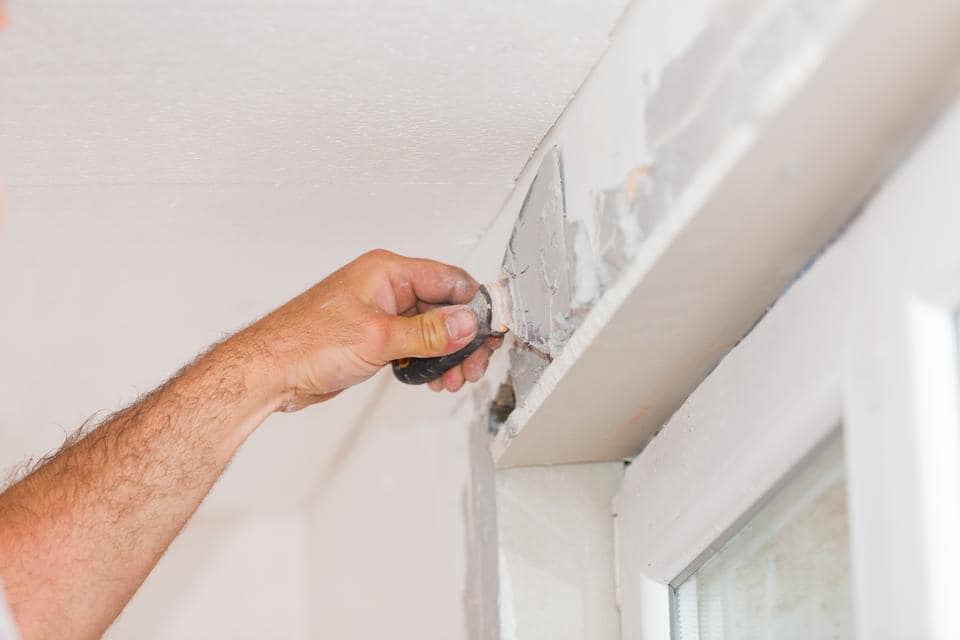
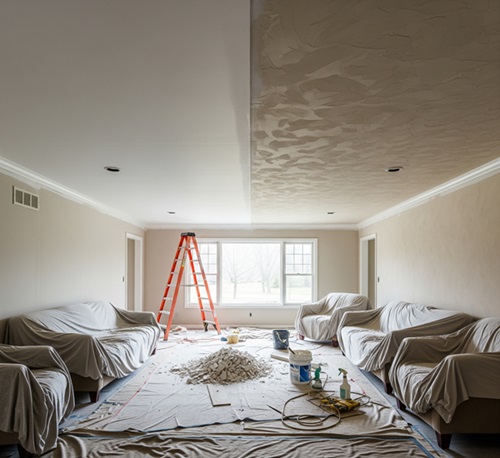
**1. Protect the surrounding area.** Drop cloths, painter's tape on adjacent trim, and a dust containment strategy save hours of cleanup. For ceiling work, plastic sheeting from the floor to the ceiling around the work zone catches falling debris. **2. Remove all hardware cleanly.** Pull anchors straight out where possible. For toggle bolts and molly-style anchors, cut the flange flush and push the body into the wall cavity rather than yanking it through the paper face. **3. Inspect the substrate carefully.** Press lightly around each opening. Soft spots, paper bubbles, or stained areas indicate moisture, fastener failure, or crushed core that must be addressed before patching. **4. Trim back to solid drywall.** Use a sharp utility knife to cut away any loose paper or crushed gypsum. A clean edge of solid drywall is what your patch and mud will bond to.
Patching and Finishing Workflow
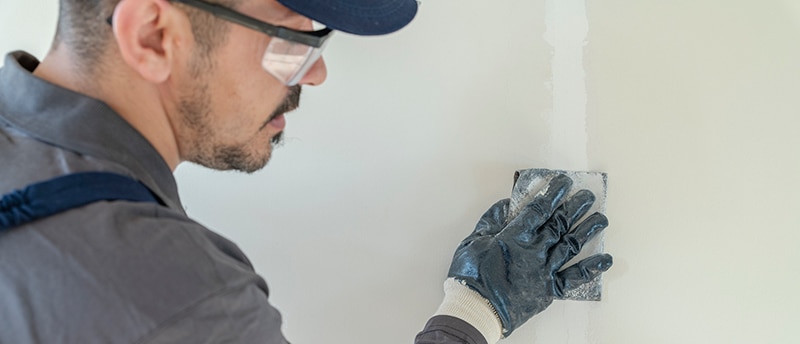
**5. Choose the right patch method for the damage size.** Small anchor holes take spackle or setting compound. Holes from 1/2" to 2" need a mesh patch with setting compound. Anything over 2" calls for a California patch or a backed cut-and-replace. **6. Use setting-type joint compound for structural patches.** Easy Sand 20 or 45 chemically hardens rather than air-drying, which means less shrinkage and a stronger bond. We use it on virtually every winter cracking prevention project we touch in <a href="/locations/texas/austin">Austin</a>. **7. Feather each successive coat wider than the last.** A typical patch gets three coats: a fill coat, a leveling coat about 6" wide, and a finish coat about 10–12" wide. Feathering is what makes the patch disappear into the surrounding plane. **8. Sand with the right grit.** 150-grit for knocking down ridges, 220-grit for finish sanding. Sponge sanders work better than rigid blocks for blending into the existing wall texture.
Blending the Repair Into the Existing Wall
Finish blending is where most repairs are won or lost. The patched area has to match three things at once: surface flatness, surface texture, and surface sheen. **Flatness** is controlled by your mud feathering. Hold a straightedge across the patch in multiple directions; you should see no light gaps and no high spots. **Texture** matters whenever the surrounding wall is anything but glass-smooth. Orange peel, knockdown, and skip trowel finishes all need a careful re-application that matches droplet density and pattern direction. A test panel on scrap board, sprayed and timed against the existing wall, is the cheapest insurance you can buy on a textured repair. **Sheen** is controlled by primer and paint. Spot-prime the entire patch with a fast-drying drywall primer, then repaint corner-to-corner or wall-to-wall — never a small touch-up — to avoid flashing.
When to Bring in a Drywall Professional
Some winter cracking prevention jobs are squarely DIY-friendly. Others need a pro, especially when the work involves multiple trades or a finish that has to match precisely. Call a professional when the damage involves any of the following: visible moisture or mold, framing changes, ceiling-height patches, fire-rated assemblies, or a textured wall you cannot replicate by hand. Crews handling these jobs across <a href="/locations/colorado/denver">Denver</a> and similar markets see the same patterns over and over, which is why a short site visit is usually enough to scope the repair and quote a fixed price. If you are working on a tight timeline — a closing, a move-in, or an upcoming inspection — bringing in a pro early often costs less than rescuing a DIY attempt that did not match.
What to Expect on Cost and Scope
Repair pricing depends on three variables: the size of the damage, the difficulty of access, and the finish level required. A small anchor patch on a flat painted wall might run 75 to 150 dollars; a larger patch with texture matching and full-wall repaint can climb into the high hundreds. For winter cracking prevention specifically, expect pricing to land somewhere in the middle of that range. The hardware involved usually leaves cluster damage rather than a single large hole, which favors a methodical multi-anchor patch rather than a full cut-and-replace. Always get a written scope before work begins. The scope should specify patch method, number of mud coats, sanding grit, texture type if applicable, and whether priming and painting are included or separate line items.
Final Thoughts
Winter cracking prevention is rarely as quick as it looks on a weekend video, but with the right materials and a patient finish-blending step, the result can be genuinely invisible. Take the time to inspect the substrate, choose the right patch method for the damage size, and feather your mud coats wider than feels necessary. When in doubt about texture or sheen matching, prime and repaint the full wall rather than chasing a touch-up. If you would rather hand off the project, an experienced drywall repair crew working in markets like <a href="/locations/missouri/kansas-city">Kansas City</a> carries the texture spray equipment, setting compound, and color-matched primer that turn a multi-trip DIY into a one-day professional repair.
Need Professional Drywall Help?
Contact Fast Fix Drywall Repair for a free estimate on your next project.
Get a Free QuoteLooking for drywall repair services in your area? Browse our full service directory by city.